



Black Cat - 100 Greatest U.S. Coins 的钱币相册
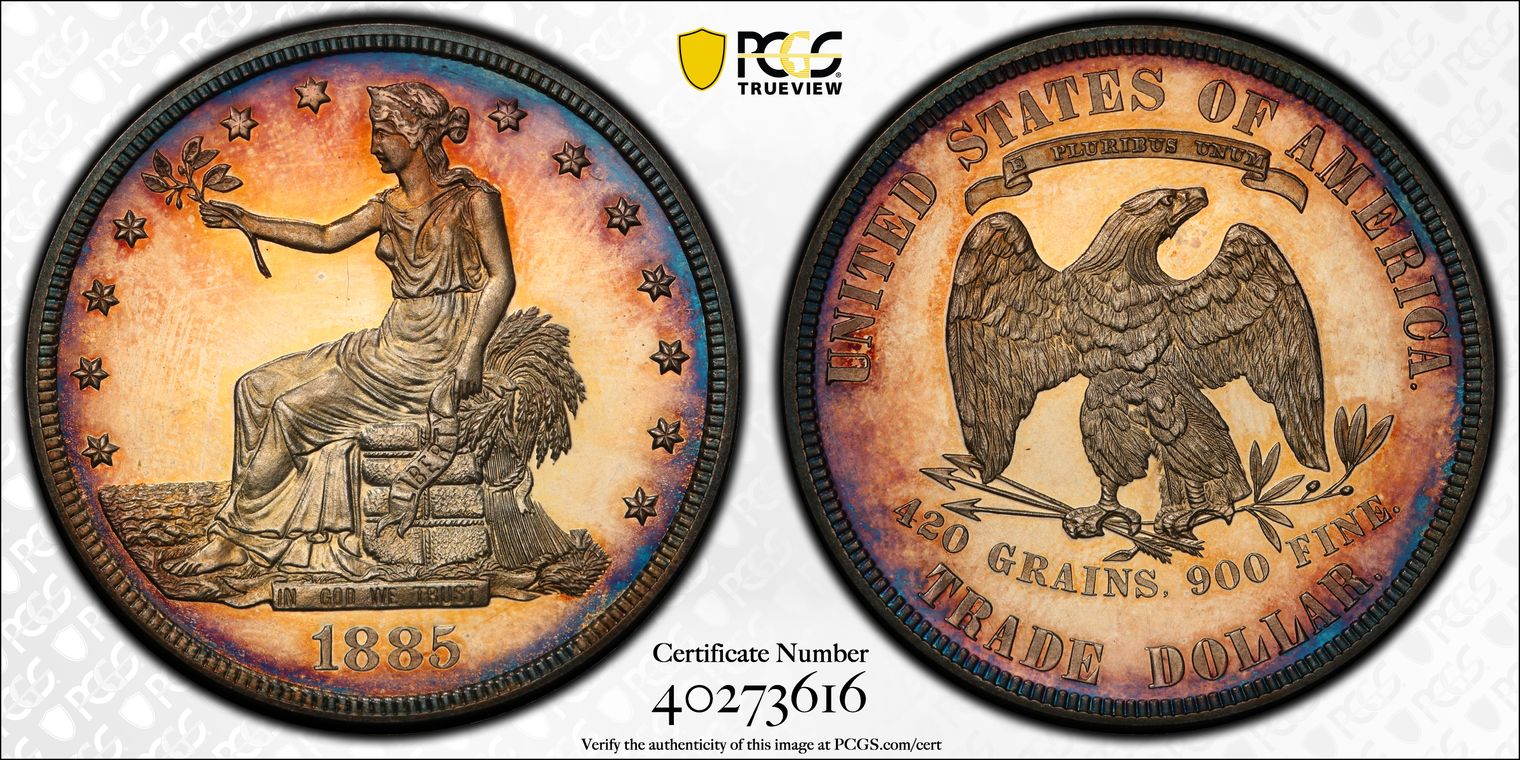
CAC - The Amon Carter Specimen. "One simply does not expect a coin in PR63 to display the level of eye appeal generated by the Carter-Simpson 1885 Trade dollar. The coin is Plus designated by PCGS, but what is perhaps most telling about its quality is the fact that this is the only 1885 Trade dollar with CAC endorsement. Traditional lavender and lilac toning surrounds the peripheries, ceding to sunset-gold that warms the interiors. Slight strike softness on stars 5 to 7 is characteristic of the issue, but this piece is both significantly sharper than the Eliasberg coin and slightly sharper than the Olsen coin -- the two higher-grade pieces. The fields glimmer with watery reflectivity. Faint hairlines can be discerned with a loupe, but the toning effectively obscures them from the unaided eye. Appreciable cameo contrast fulfills the eye appeal on each side in equal measure, accenting not only the central devices but also the stars and border legends." I had the privilege of seeing the Olsen specimen when it was a NGC PR66 and this coin shows a much stronger strike and much nicer eye appeal.
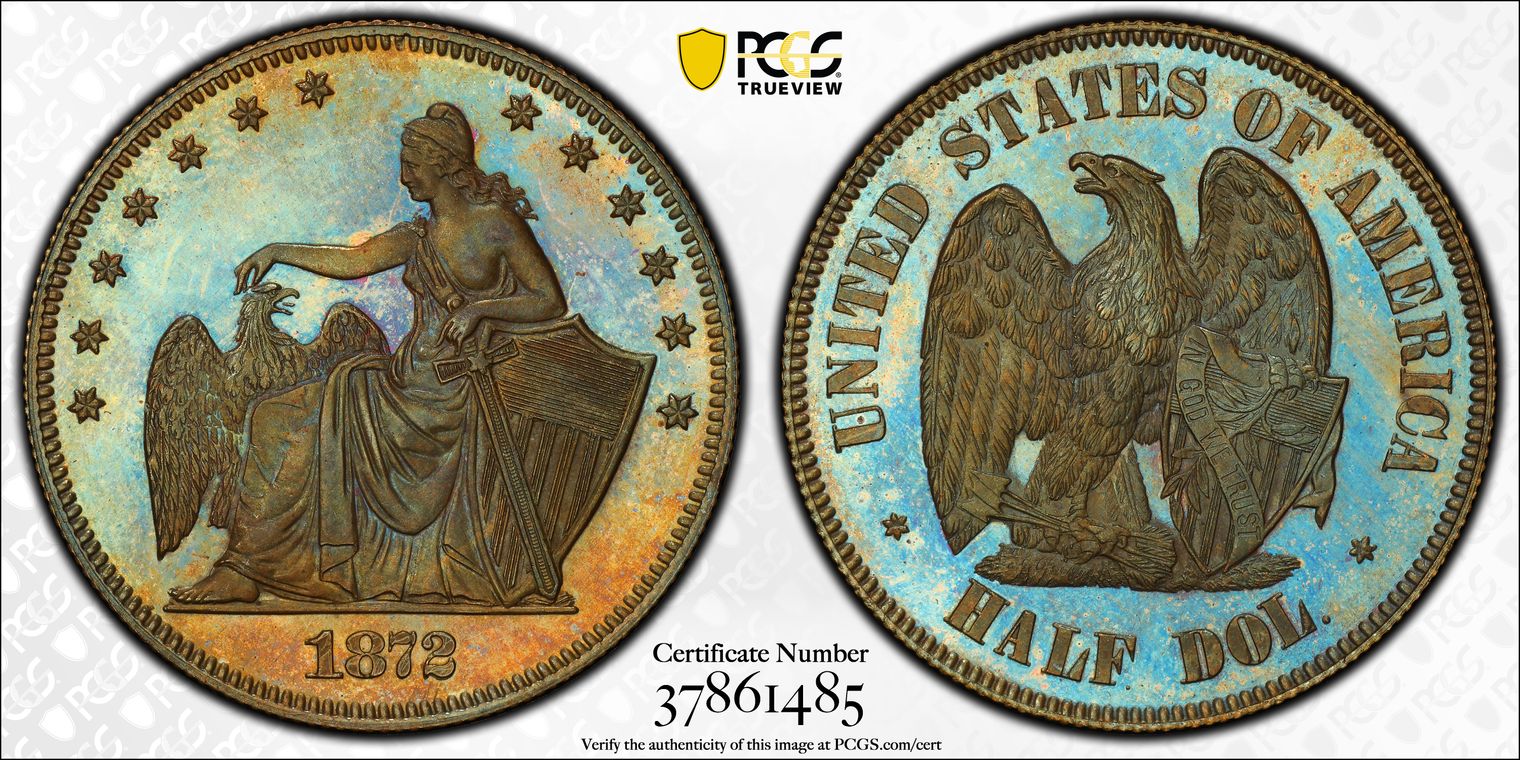
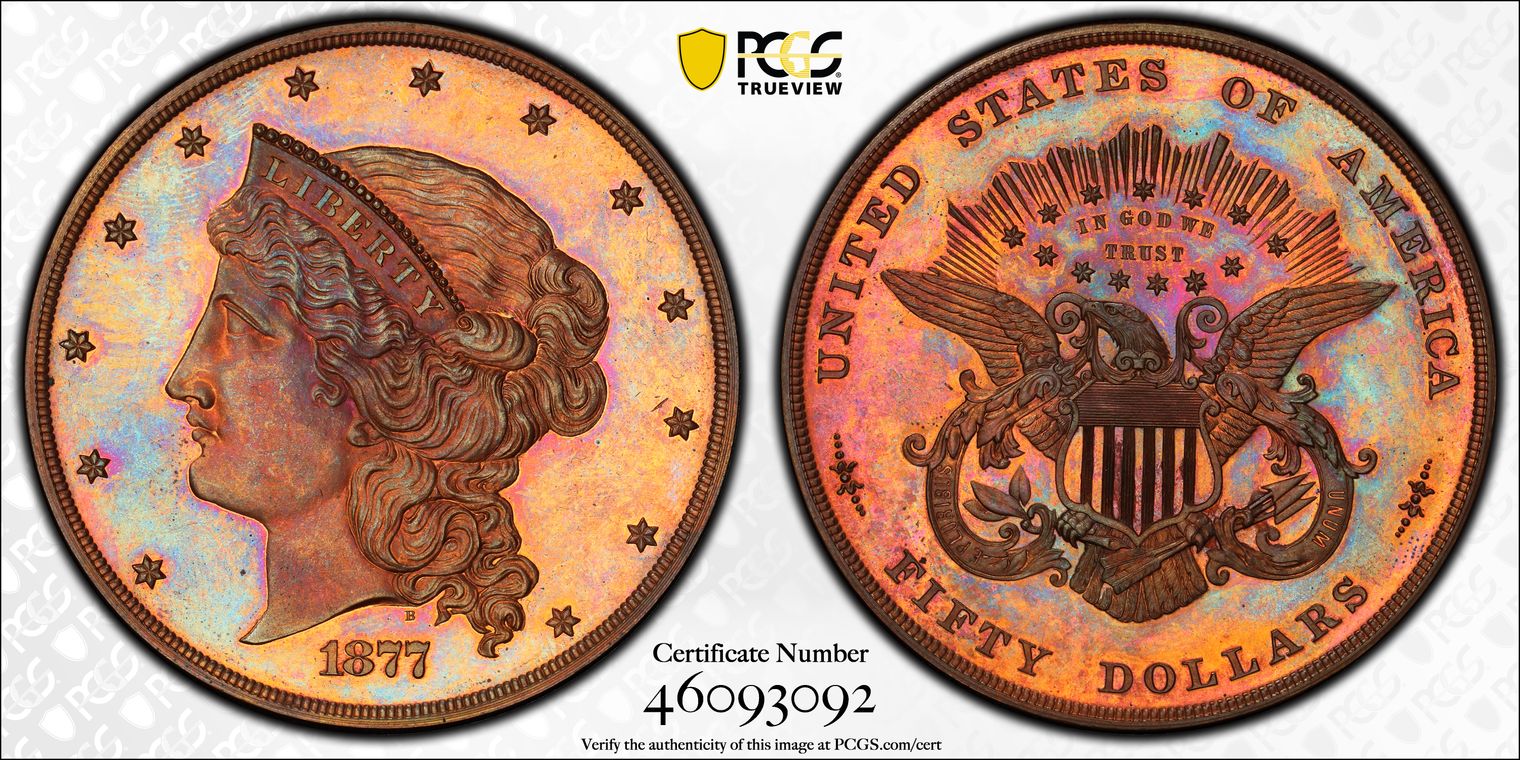
CAC - Low R.7 - Stuck in copper with a reeded edge. 1877 Half Union in Copper - The finest endorsed by CAC. The obverse features a large Liberty Head design by William Barber, while the reverse design is similar to contemporary double eagles, except for FIFTY DOLLARS, which appears along the bottom rim. "Incredible splashes of rich violet, rose, and blue fairly leap from the surfaces of this beautiful pattern." That iridescence remains throughout this coppery-gold proof." Ex: Harry W. Bass, Jr. Collection.
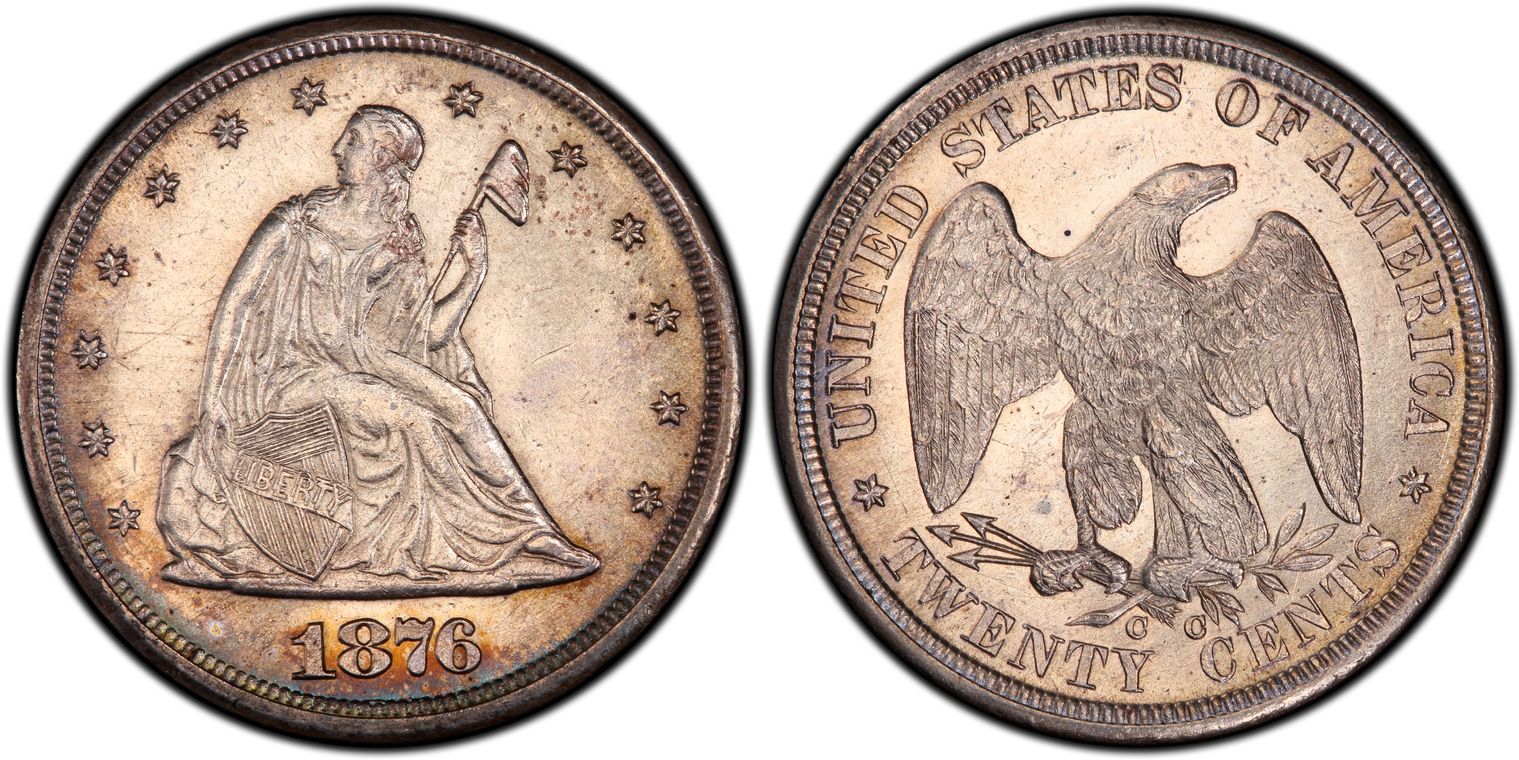
CAC - BF-NC-1, R.6. - The well-preserved surfaces radiate satiny mint luster, with a few traces of prooflike reflectivity in selected areas. Delicate hints of golden-tan and lavender toning enhance the outstanding eye appeal. Ex: Battle Born specimen
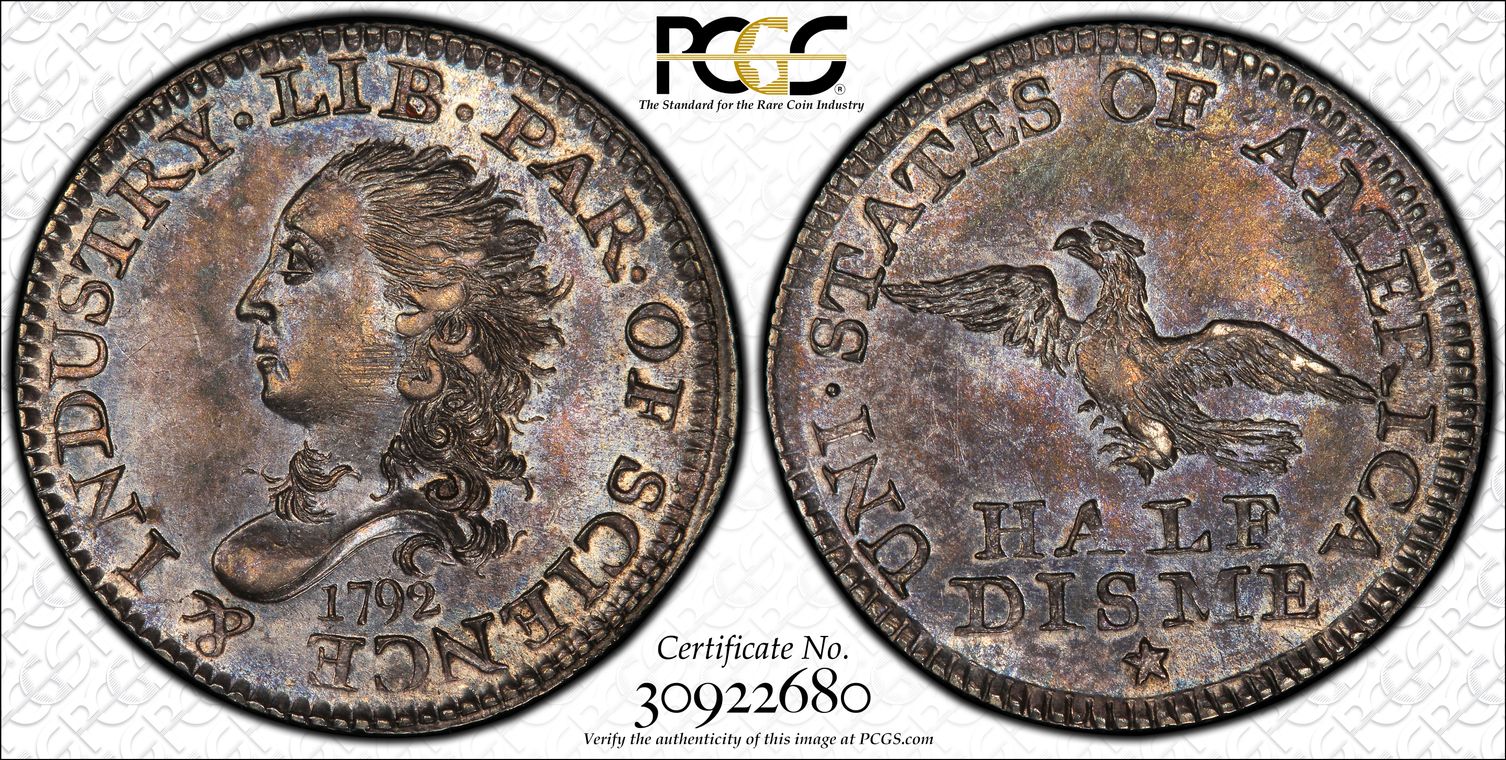
CAC - R.4 - 1792 half disme was actually the first circulating coinage struck by the authority of the United States Congress. The surfaces are warm and frosty, the devices swathed in a glow of luster, the toning showing ice blue and faint gold notes among the lively overall antique gray. The centering is nearly ideal, with a short unstruck area outside the visible die edge between 1:00 and 6:00 on the obverse, 12:00 and 4:00 on the reverse. The axial alignment is perfect, leaving both sides well struck, with good definition from peripheries to centers. The absolute central obverse still shows a small batch of adjustment marks that received insufficient pressure to obliterate them entirely, now located between Liberty’s jaw line and her lowest curl. The fields are notably free of marks, with just a few shallow contact points visible above H on the reverse,
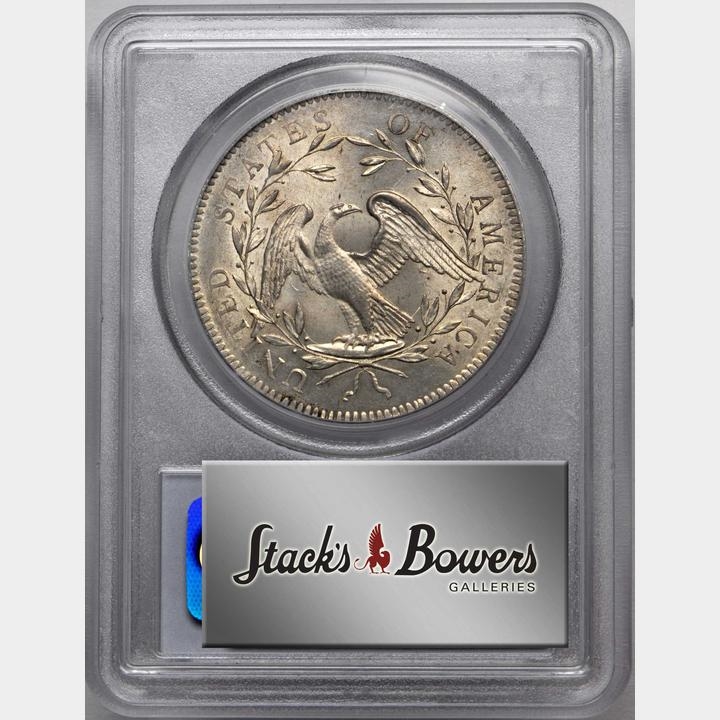
CAC - The Famous Lord St. Oswald-Norweb 1794 Flowing Hair Silver Dollar. Condition Census #4 of Only Six Mint State Examples Known
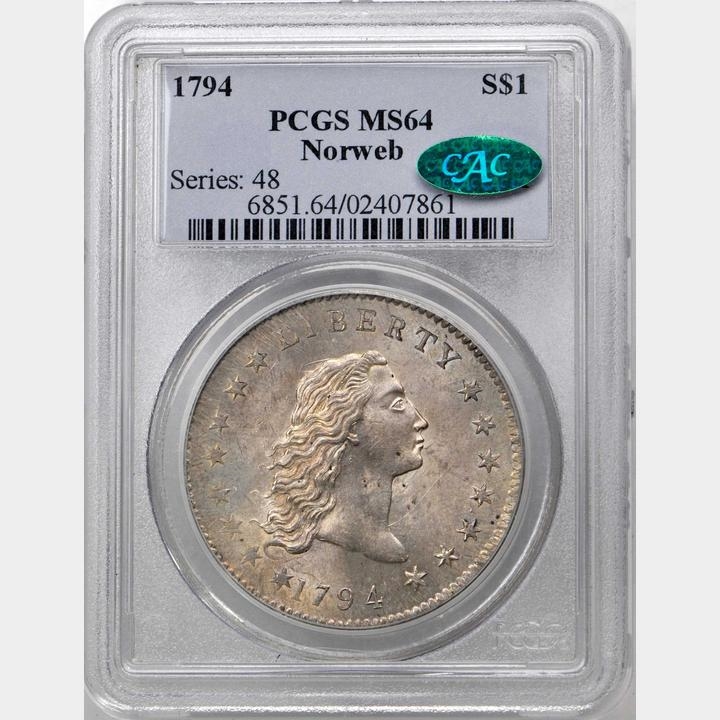
CAC - The Famous Lord St. Oswald-Norweb 1794 Flowing Hair Silver Dollar. Condition Census #4 of Only Six Mint State Examples Known
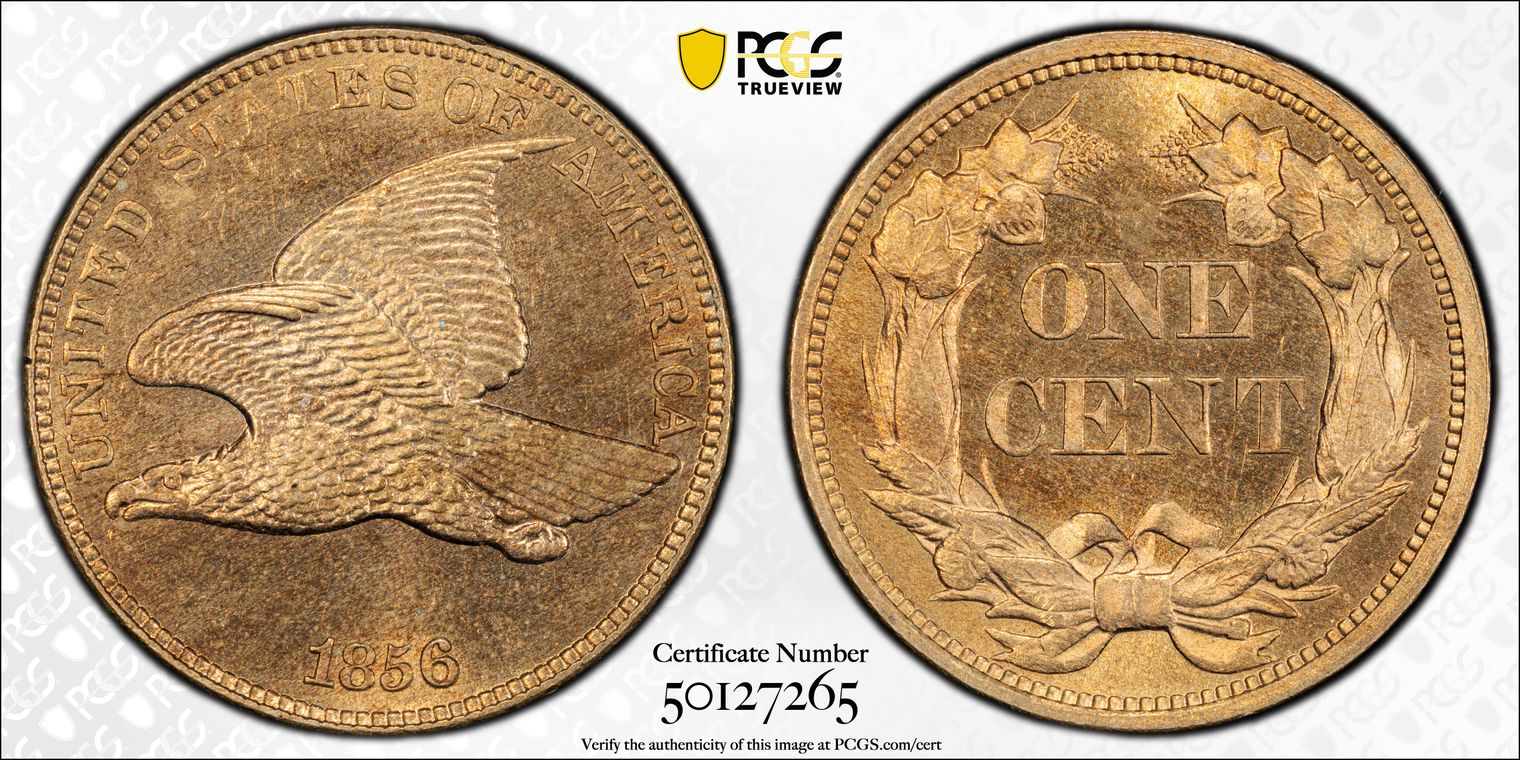
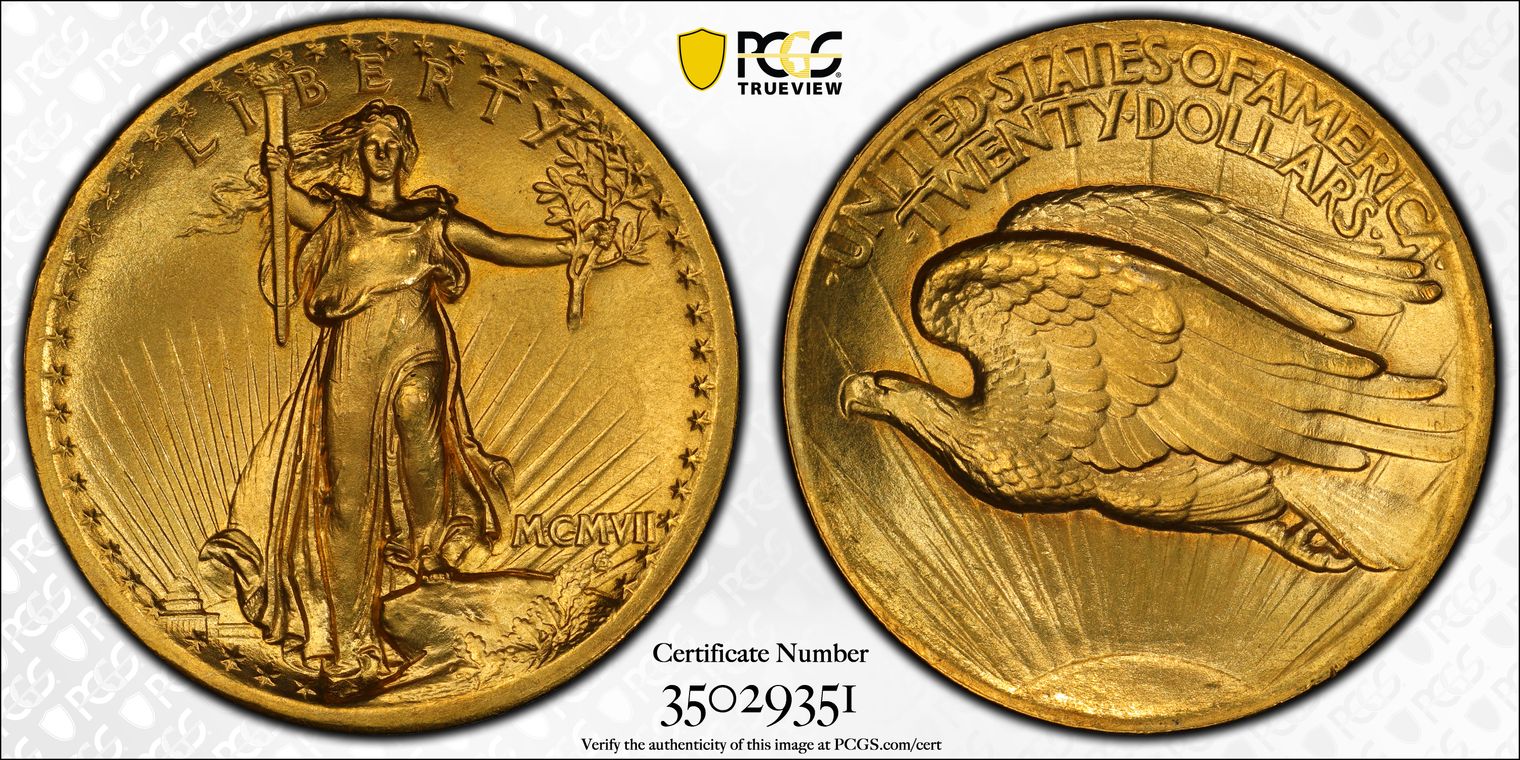
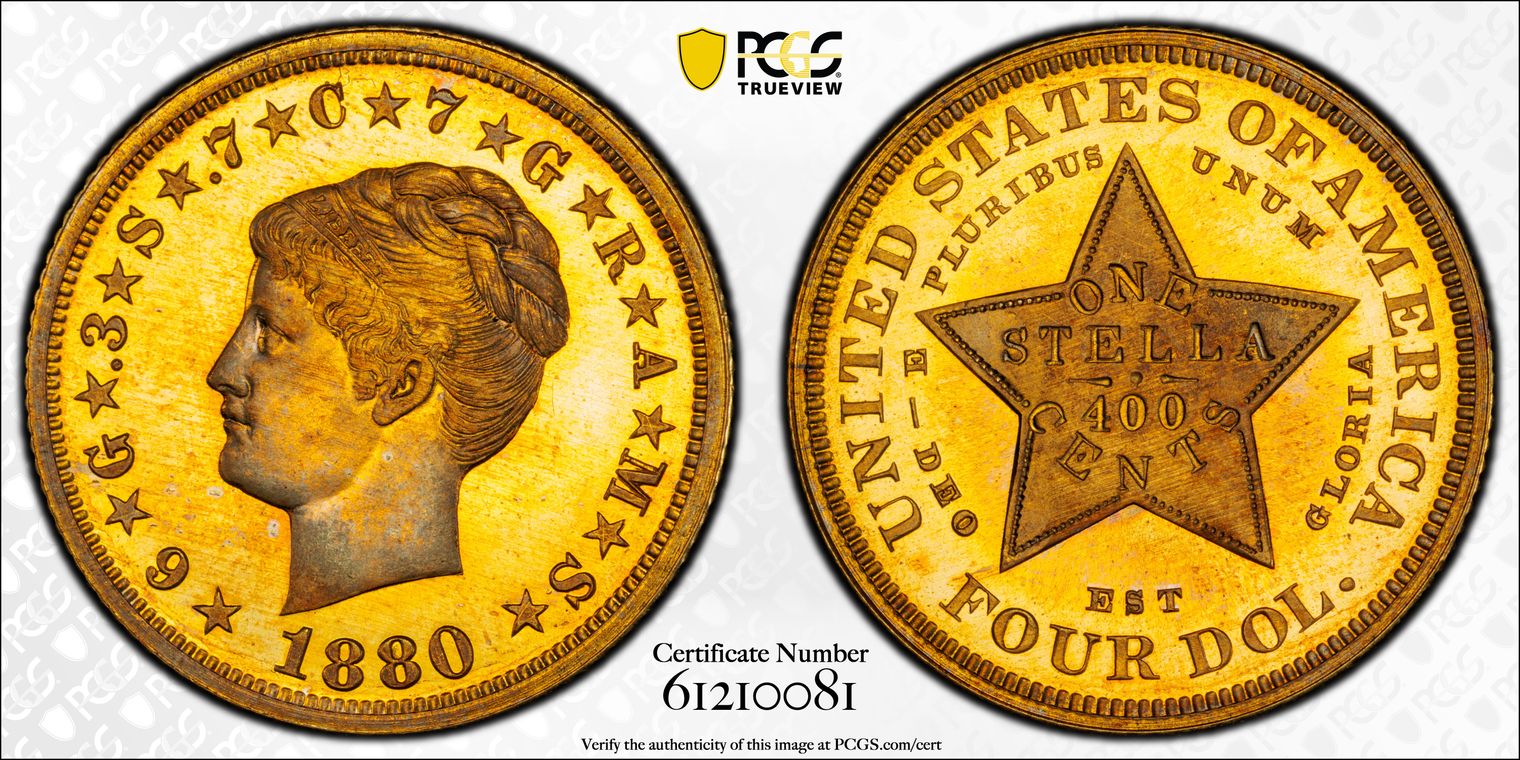
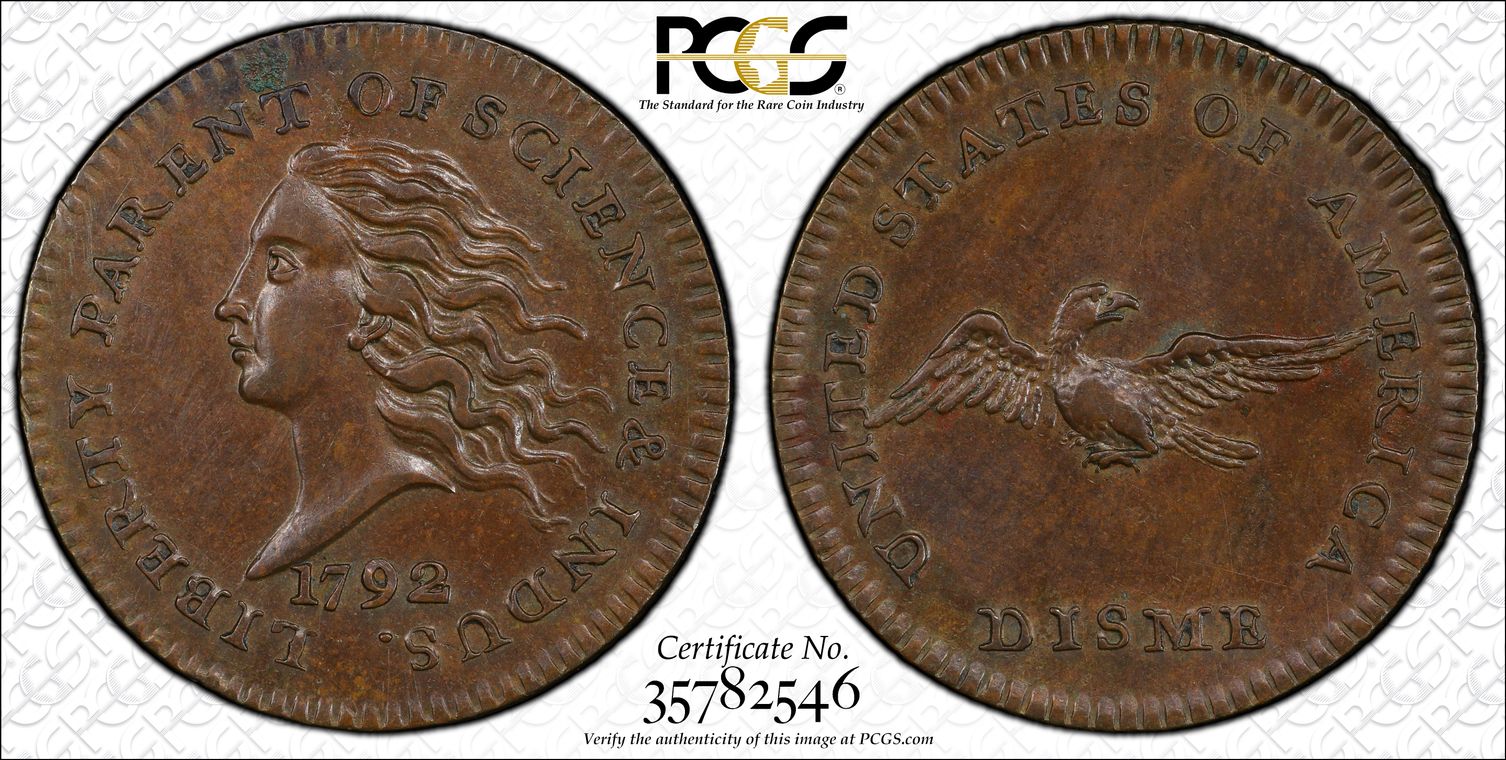
CAC - Reeded edge. Medal turn. Ideally centered on both sides, a broad frame of denticles of even length surround the frosty chocolate brown surfaces on both obverse and reverse. The surfaces are both glossy and lustrous, rich in tone and lightest in the protected areas where mint color was last to fade. The portrait of Liberty was brought into full relief and detail by a single bold strike, standing out in good contrast from the smooth fields that surround it. The reverse is similarly choice, with a nicely rendered eagle showing just the usual flat area at absolute center but maintaining better than usual details in the head, wings, and talons. The light shades around the peripheral legends are gold and olive, barely faded from mint color. The fields on both sides are essentially immaculate, free of any troubling marks or post-striking contact points. Ex. Archangel Collection
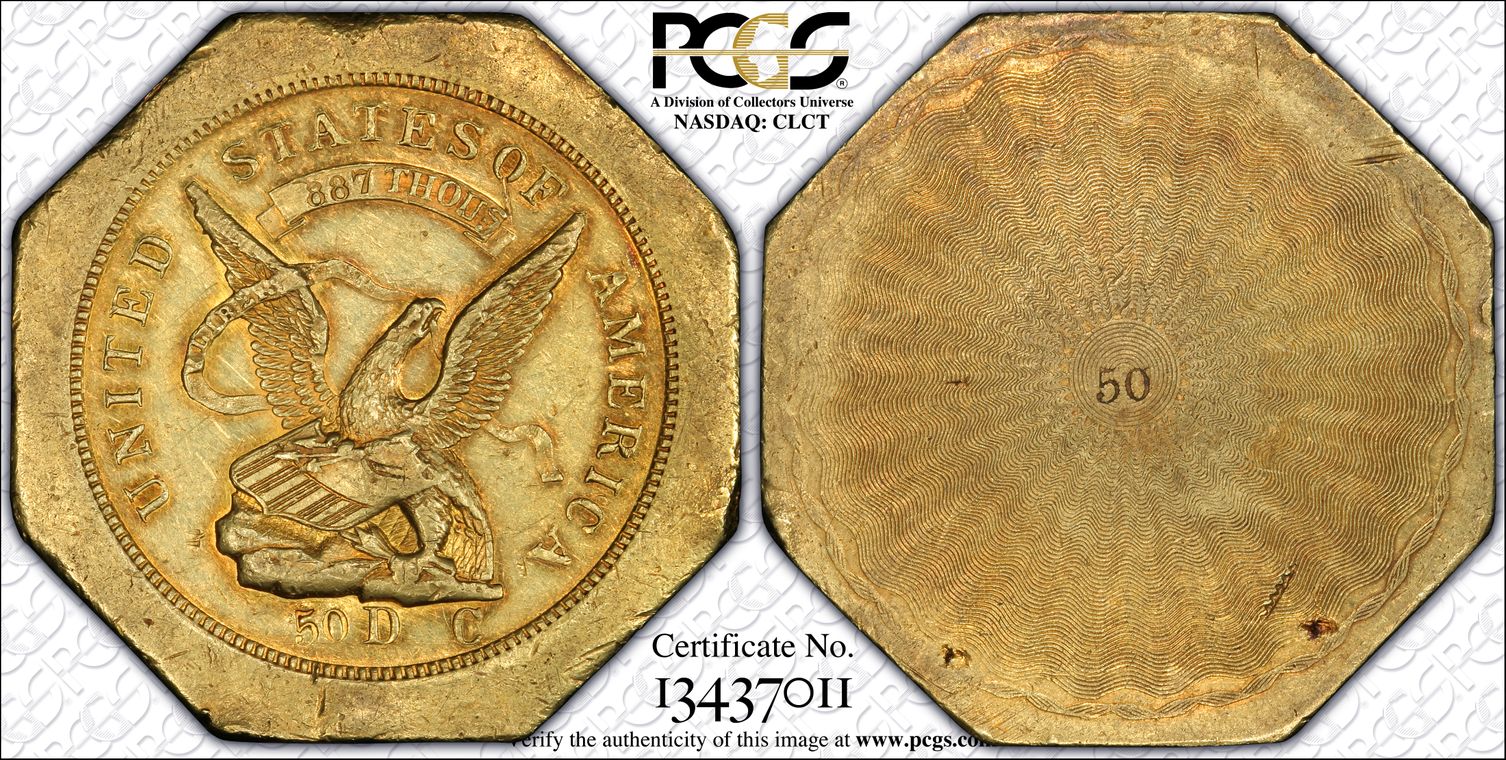
CAC - luster is broad and inviting with tiny prooflike pools within the lettering.
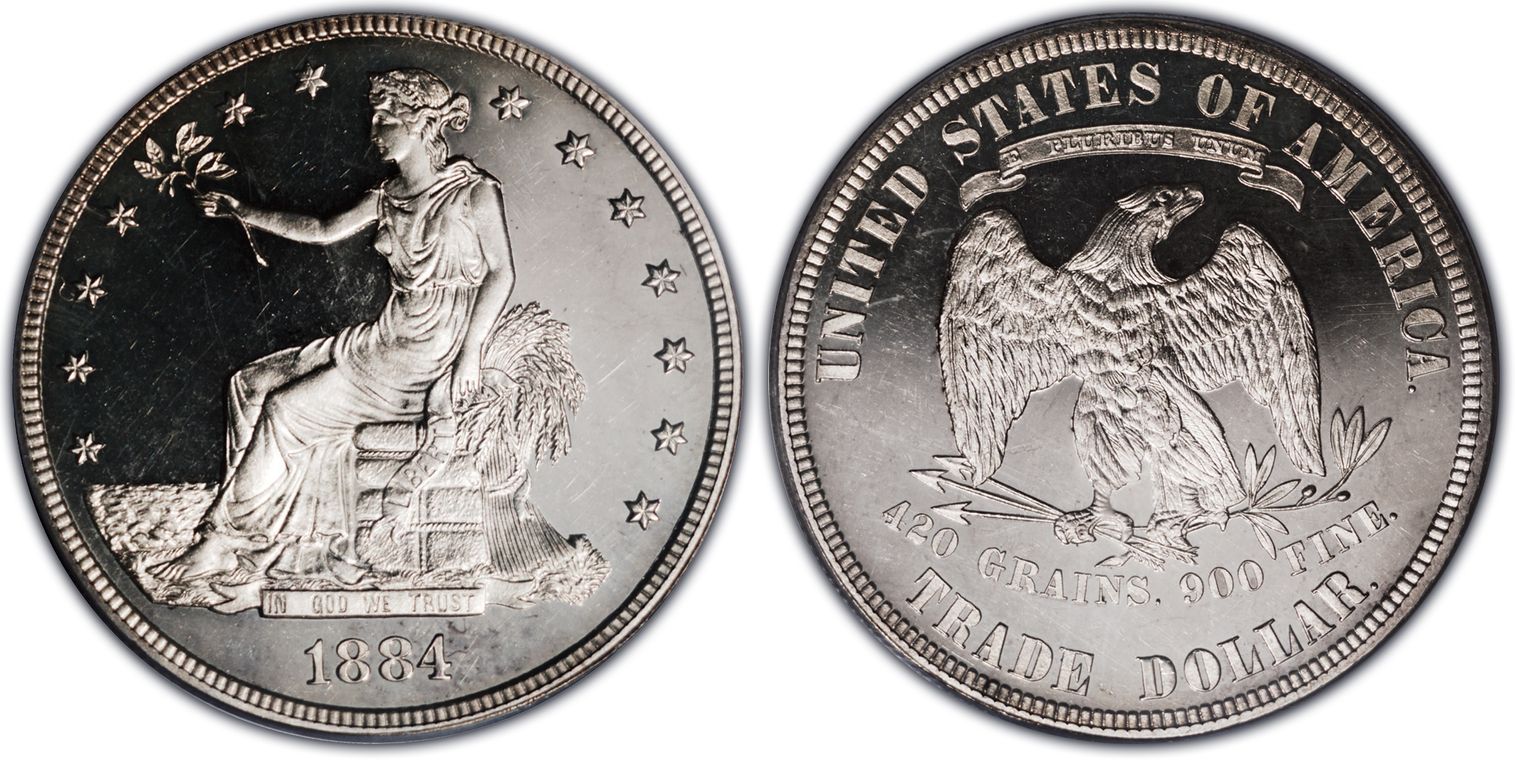
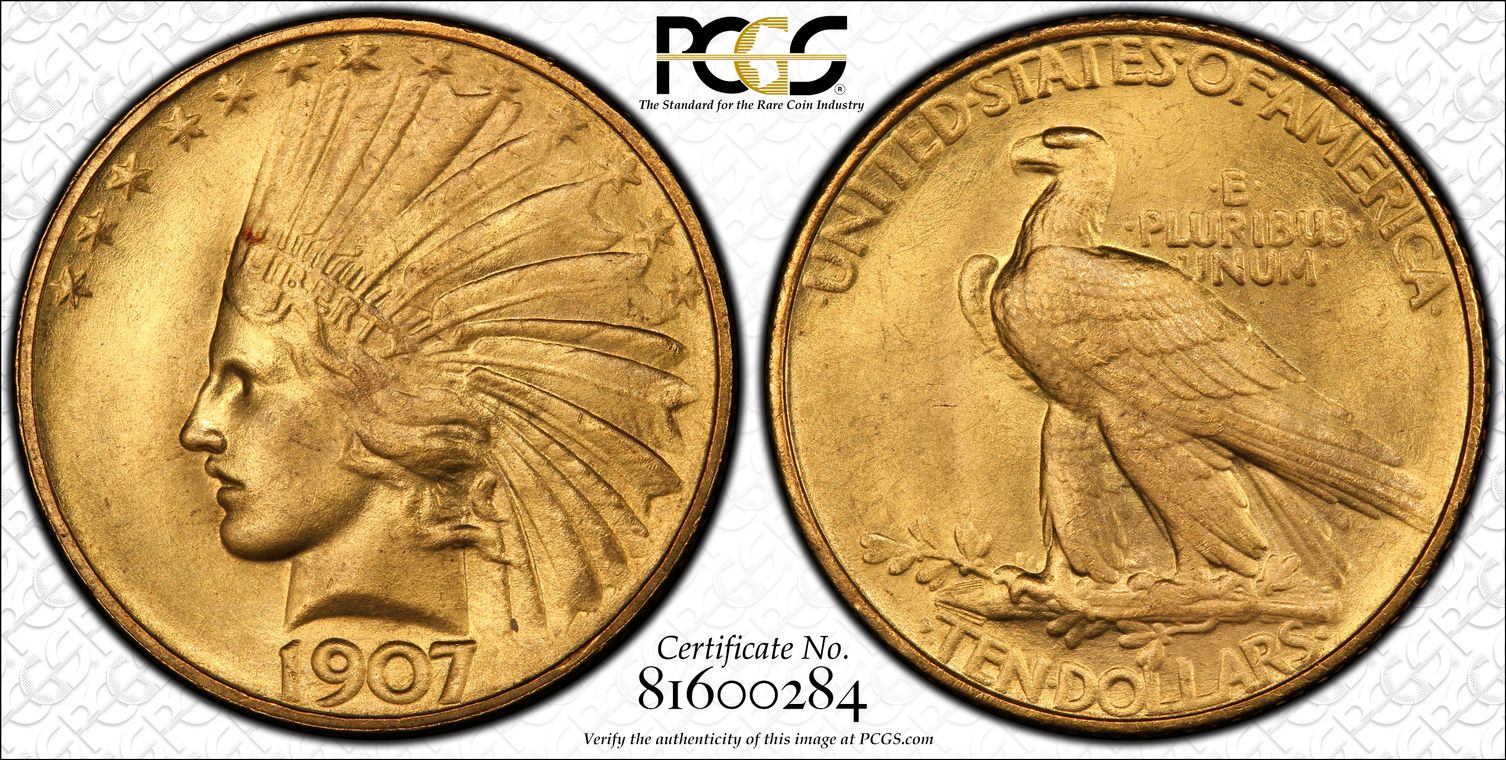
CAC - "The light orange-gold surfaces are impeccably preserved and radiate vibrant mint luster on both sides, adding to the incredible visual appeal."
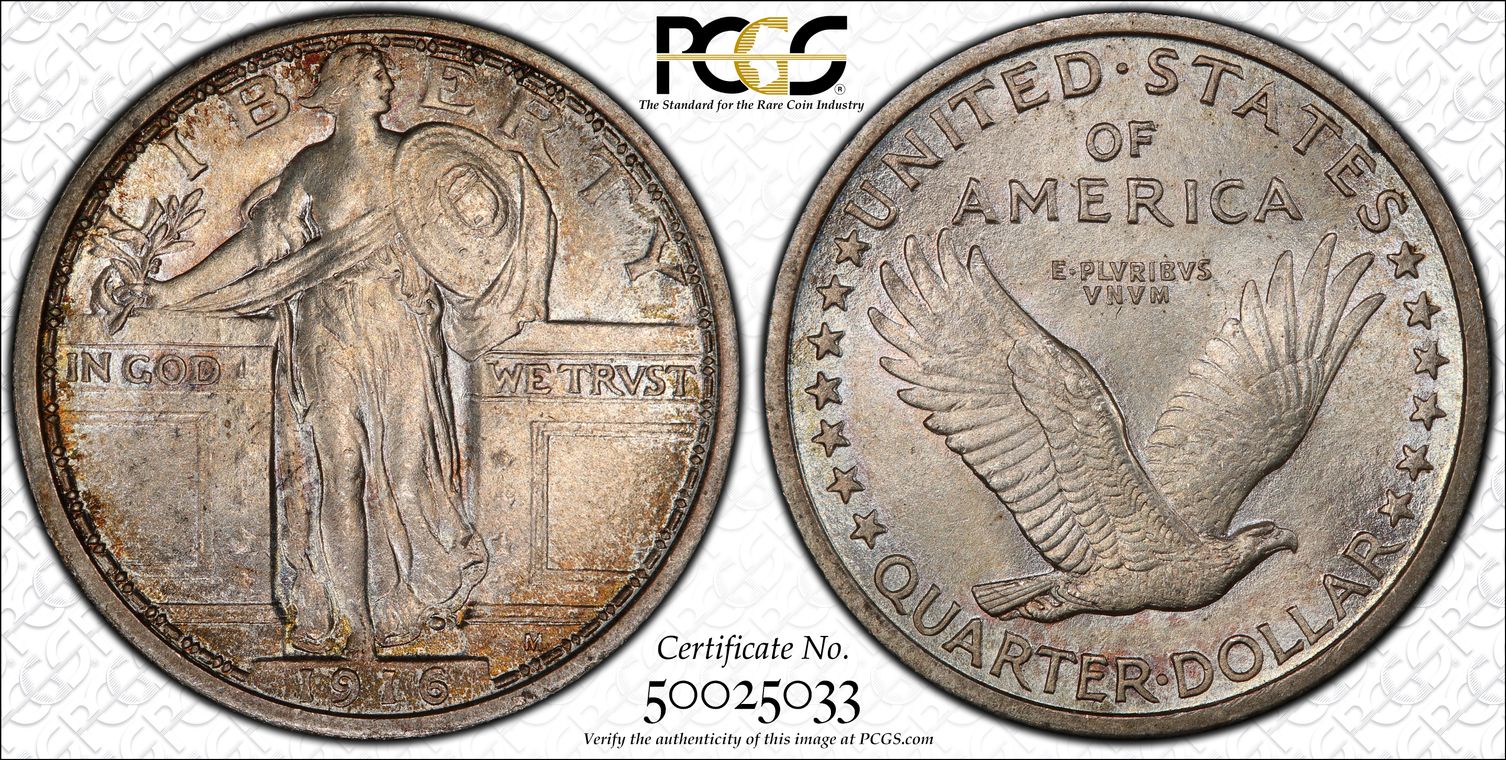
CAC -Intensely lustrous surfaces exhibit a smooth, billowy, frosty texture throughout. The reverse is essentially untoned, while for the obverse we note blushes of pale champagne-pink and reddish-russet patina that are boldest at the border. Smartly impressed with a sharp to full strike that readily upholds the validity of the coveted Full Head designation from PCGS.
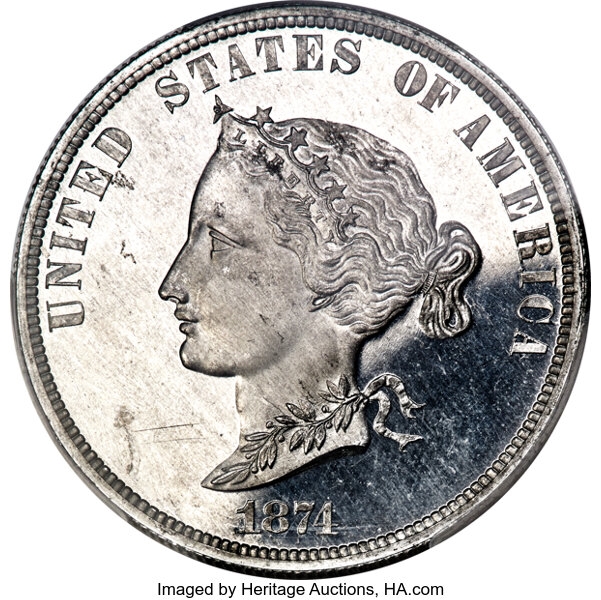
CAC - R8 - Struck in aluminum with a reeded edge. $10 Bickford. This is one of only two examples of Judd-1376 known. The obverse depicts a bust of Liberty facing left with the legend UNITED STATES OF AMERICA above and the date below. Liberty wears a diadem inscribed with the word LIBERTY and ornamented with six stars. The weight 16.72 GRAMS, the standard of the metal 900 FINE, and the word UBIQUE are centered on the reverse. Around the periphery is the U.S. denomination DOLLARS 10 and the following international equivalents: STERLING (Pound) 2.1.1; MARKEN 41.99; KRONEN 37.31; GULDEN 20.73; and FRANCS 51.81. "The surfaces of this Gem Cameo proof exhibit pronounced black-and-white contrast, with deeply reflective fields and thickly frosted devices typical of an aluminum pattern. Delicate streaks of thin golden patina appear over each side without minimizing the overwhelming brilliance." Ex: Simpson.
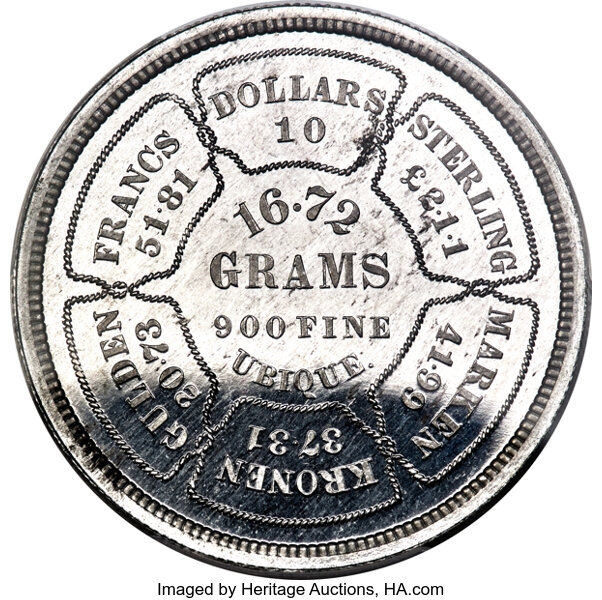
CAC - R8 - Struck in aluminum with a reeded edge. $10 Bickford. This is one of only two examples of Judd-1376 known. The obverse depicts a bust of Liberty facing left with the legend UNITED STATES OF AMERICA above and the date below. Liberty wears a diadem inscribed with the word LIBERTY and ornamented with six stars. The weight 16.72 GRAMS, the standard of the metal 900 FINE, and the word UBIQUE are centered on the reverse. Around the periphery is the U.S. denomination DOLLARS 10 and the following international equivalents: STERLING (Pound) 2.1.1; MARKEN 41.99; KRONEN 37.31; GULDEN 20.73; and FRANCS 51.81. "The surfaces of this Gem Cameo proof exhibit pronounced black-and-white contrast, with deeply reflective fields and thickly frosted devices typical of an aluminum pattern. Delicate streaks of thin golden patina appear over each side without minimizing the overwhelming brilliance." Ex: Simpson.
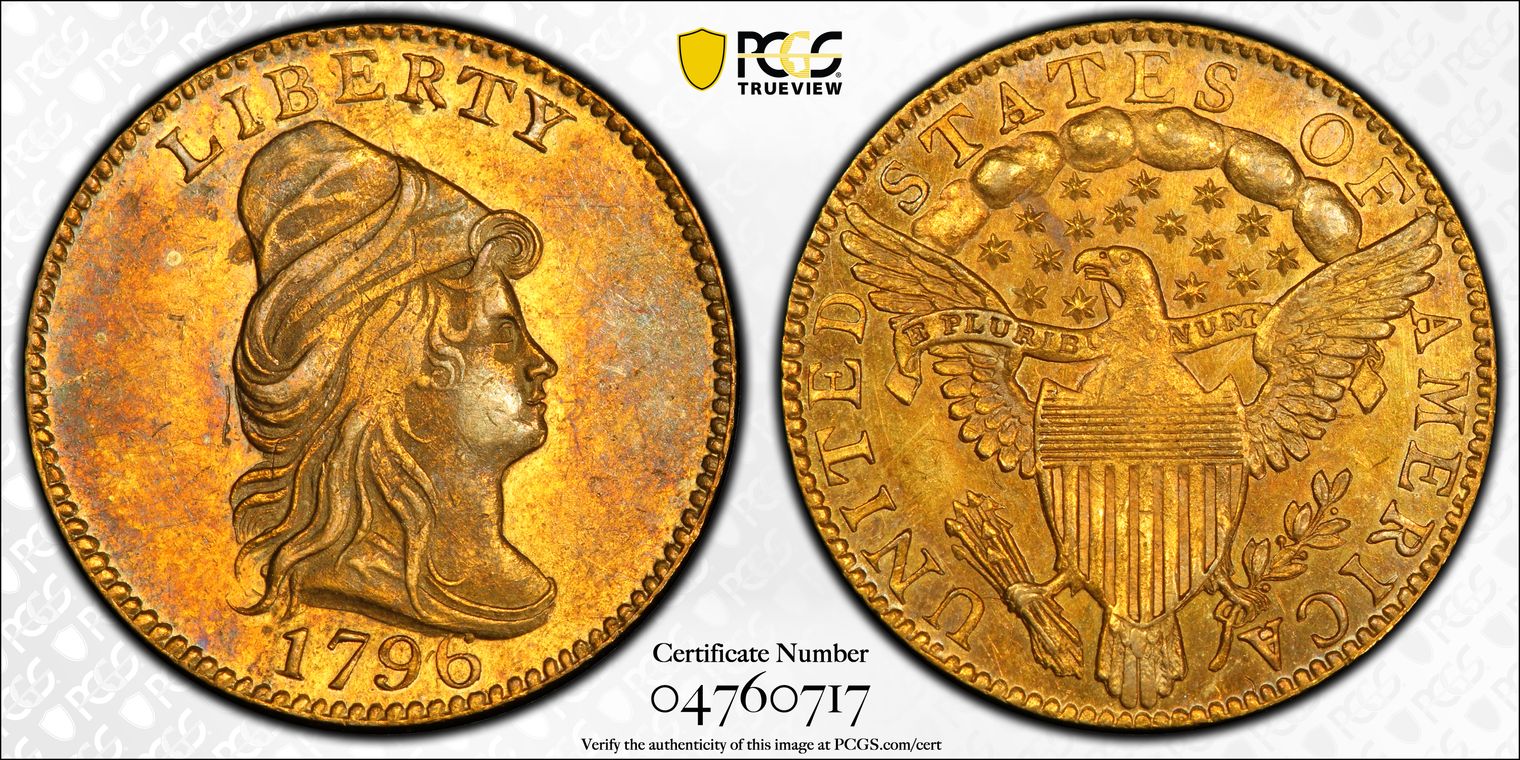
CAC - BD-2. The surfaces are a rich copper-gold with greenish accents in the fields and recesses.
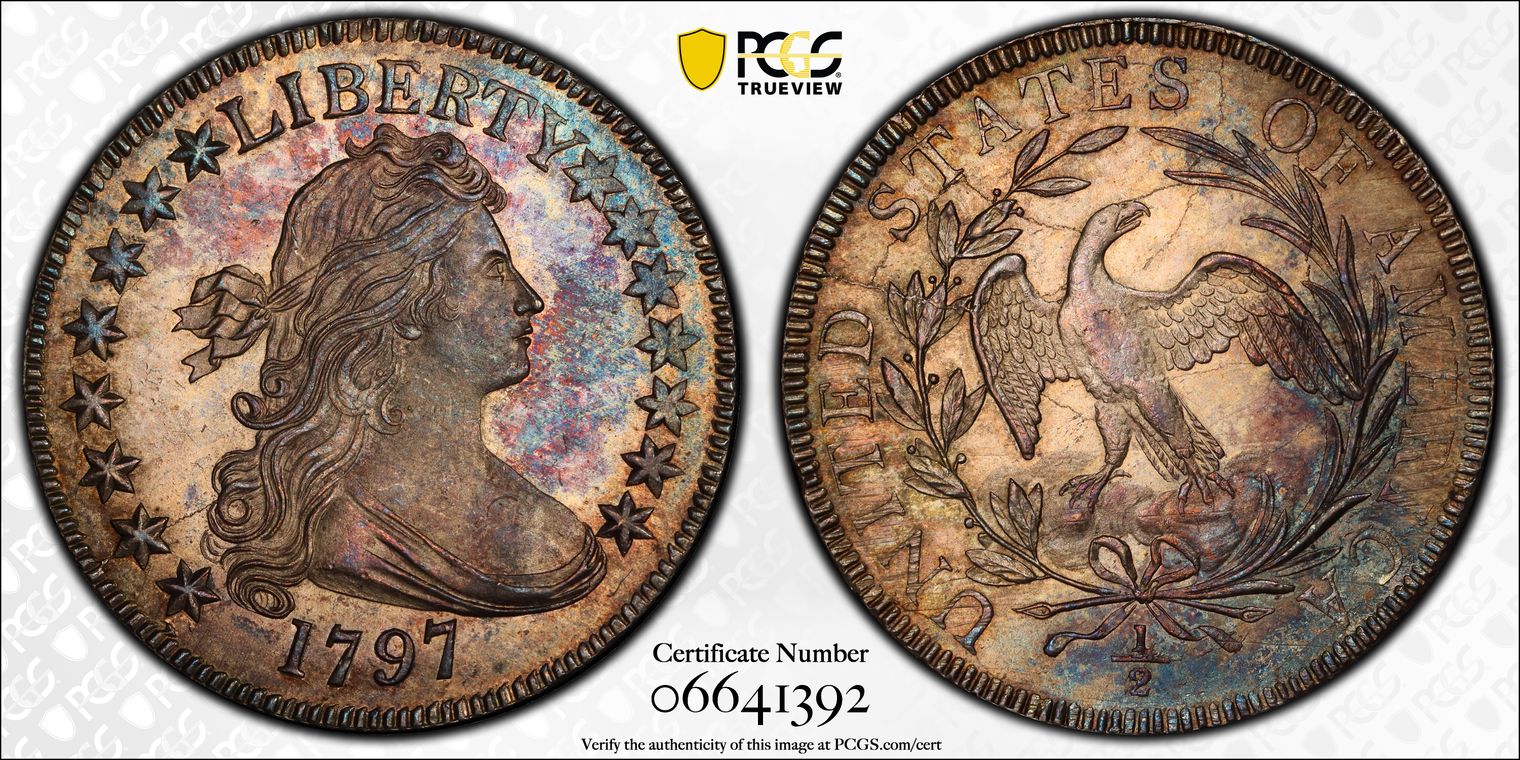
CAC - "Beautiful and original multicolored toning cascades over both sides of this stunning high-end Gem. Gold and silver-gray coloration imbued with whispers of soft bluish-violet, orange, and russet predominate, accented with splashes of deep electric-blue, violet, reddish-gold, and purple at the upper-right and right obverse and on the lower-right quadrant of the reverse. Reflective prooflike fields highlight the frosty central motifs, yielding a pleasing degree of contrast on each side. The design elements are sharply struck, including individual strands of Liberty's hair and curls. The eagle's wing and tail feathers are bold, as are the talons. A curving, as-made lintmark is visible just above Liberty's cleavage, and light horizontal adjustment marks at the left and right reverse border do not affect the clarity of the letters in UNITED and AMERICA. The few minuscule marks that are visible only under a glass are insignificant and unobtrusive. Indeed, the surfaces on both sides are remarkably well-preserved." This easily one of the two finest 1797 halves certified. Ex: Farish Baldenhofer Collection (Stack's, 11/1955), lot 676; Norweb Collection (Bowers and Merena, 11/1988), lot 3027; Dr. Haig A. Koshkarian Collection (American Numismatic Rarities, 3/2004), lot 76; Stack's (7/2008), lot 4261, The Collection of Oliver Jung (Heritage, 8/2014), lot 5582, The Jim O'Neal Collection of U.S. Half Dollar Types.(Heritage, 1/2023), lot 3701
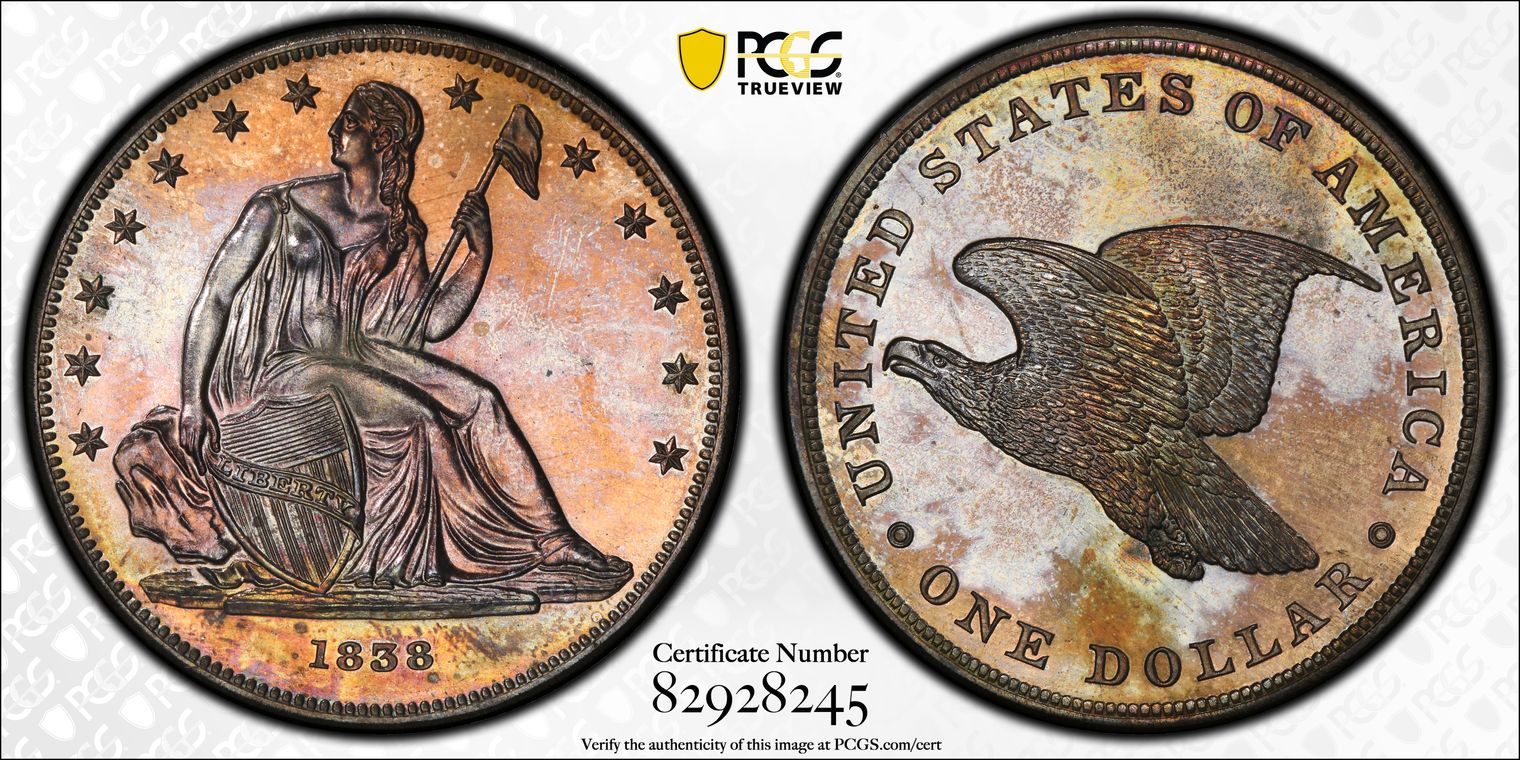
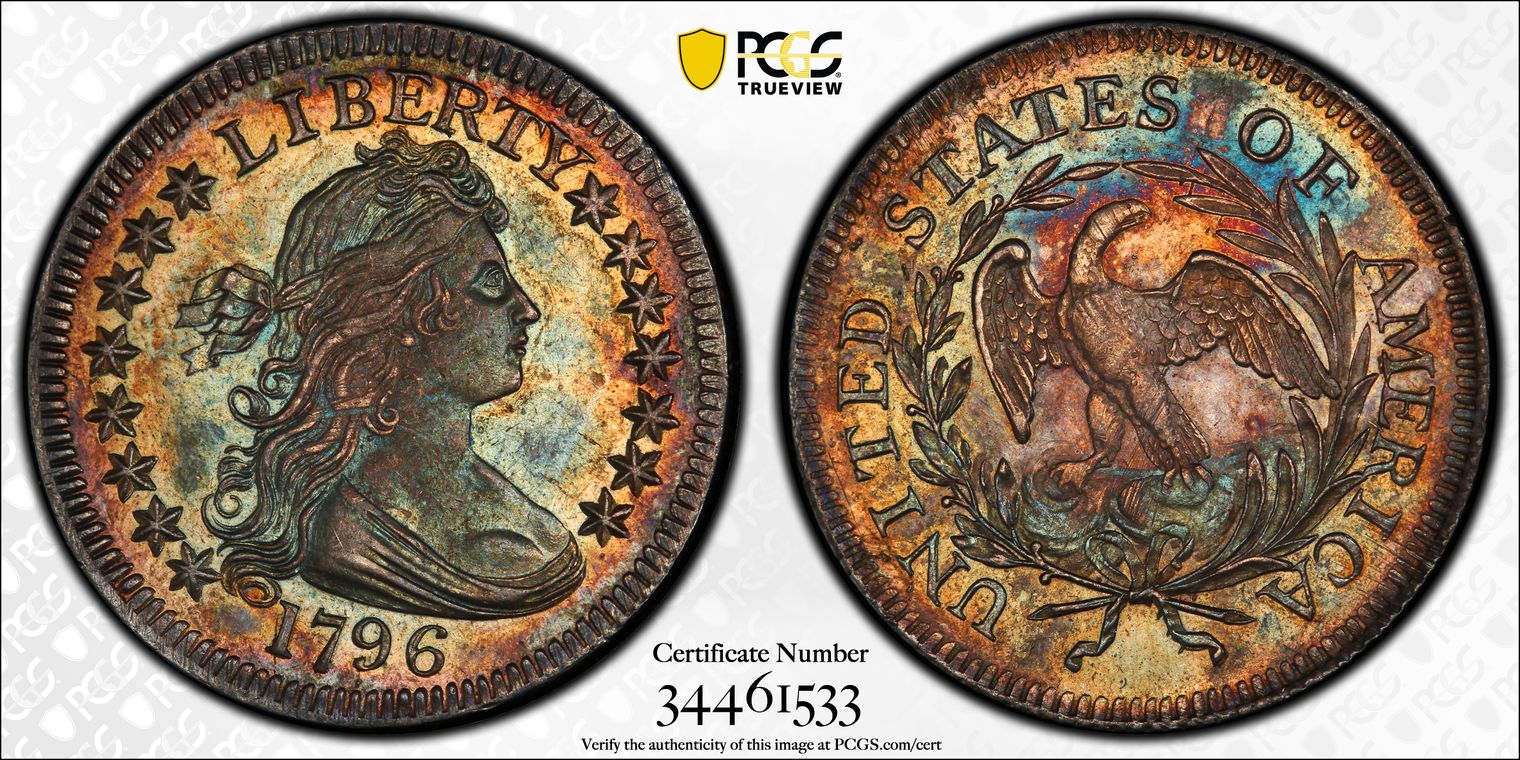
CAC - Reddish-purple, electric-blue, and gold toning clings to the borders, transitioning to yellowish-green toward the centers where it blends with aqua-blue on the obverse and soft silver-gray on the reverse. The surfaces of each side are almost wholly prooflike. Sharply struck design elements complement the magnificent toning. Liberty's hair strands and all curls are well-delineated, as are the eye pupil and drapery folds. The eagle's head is much better struck than seen on most other 1796 quarter dollars, revealing crisp eye detail and a full tongue
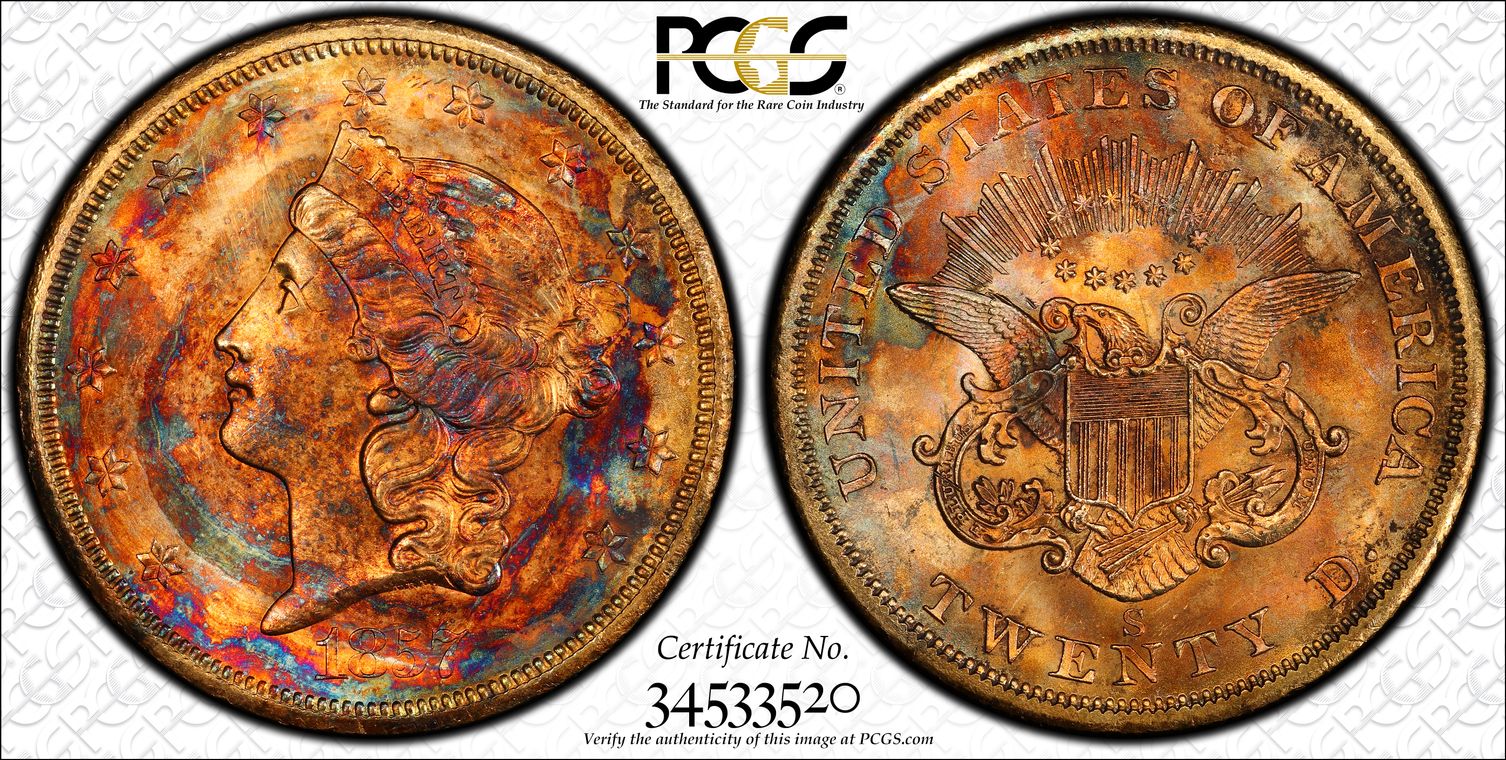
CAC - "The vivacious brilliance of the original luster glows through and highlights the stunning patination on both sides. Swirling bands of tangerine, crimson, aquamarine, violet, cobalt, peach, and yellow gold blend together and frame Liberty's portrait, accenting her facial details. Similar tones grace the reverse."