



Regulated 的钱币相册

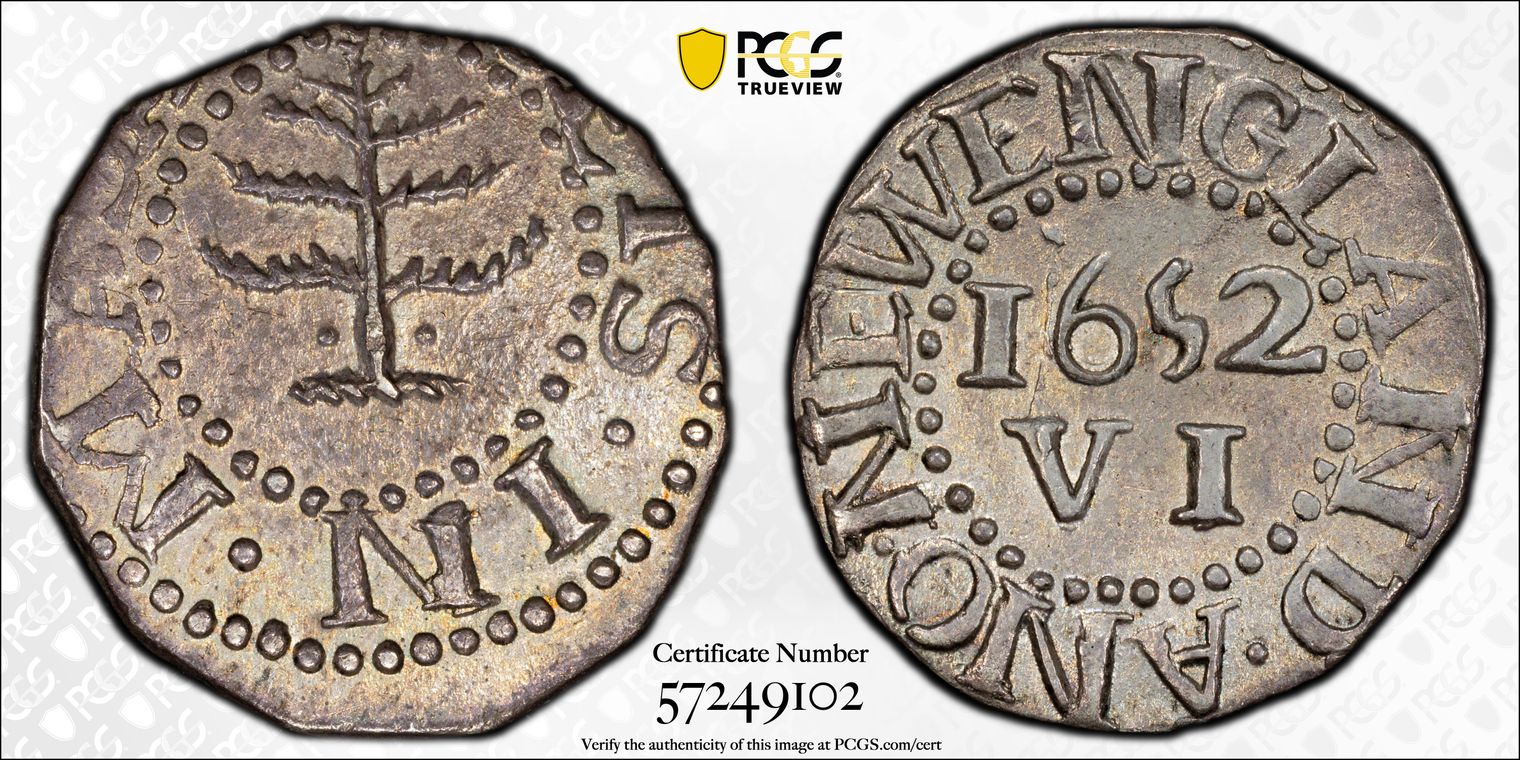
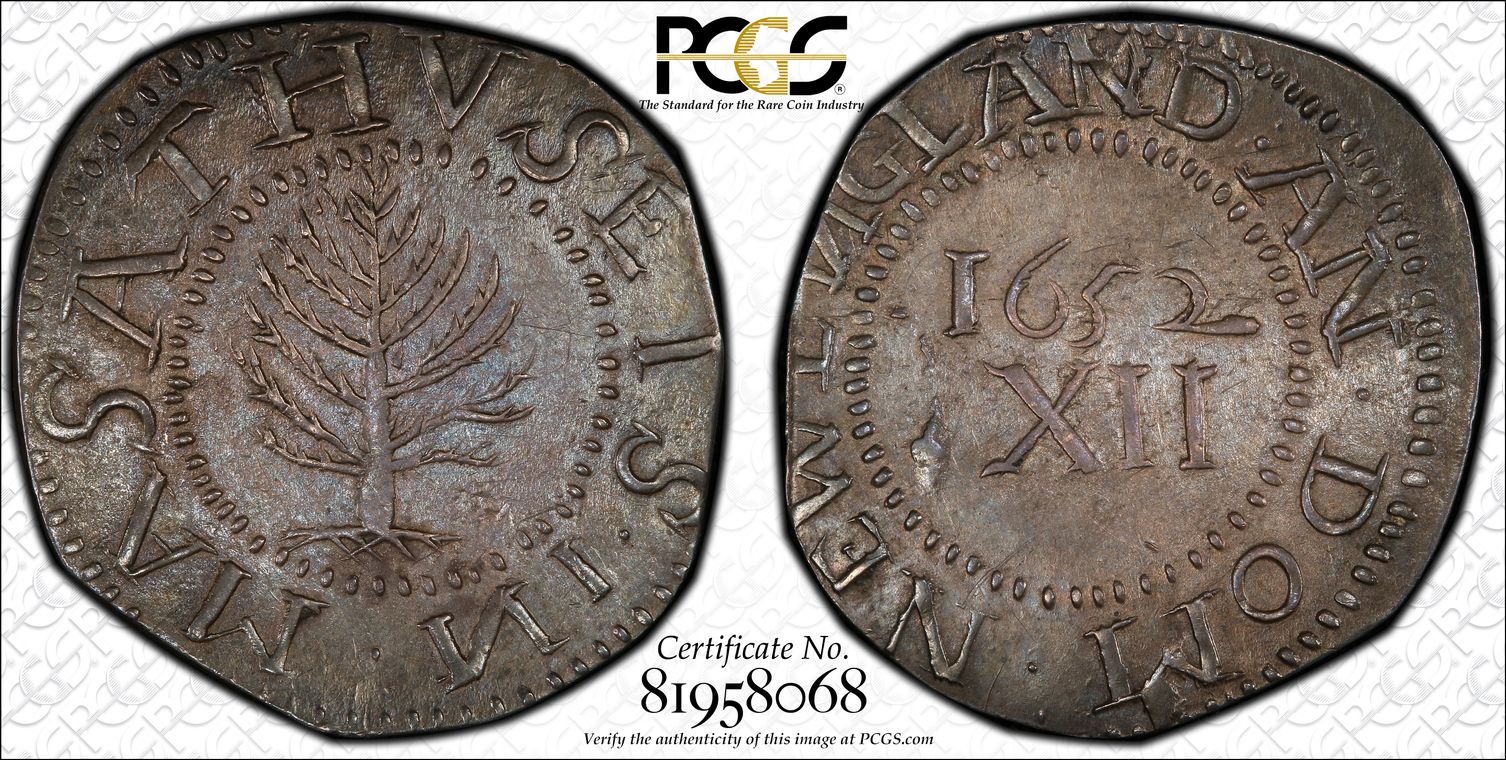
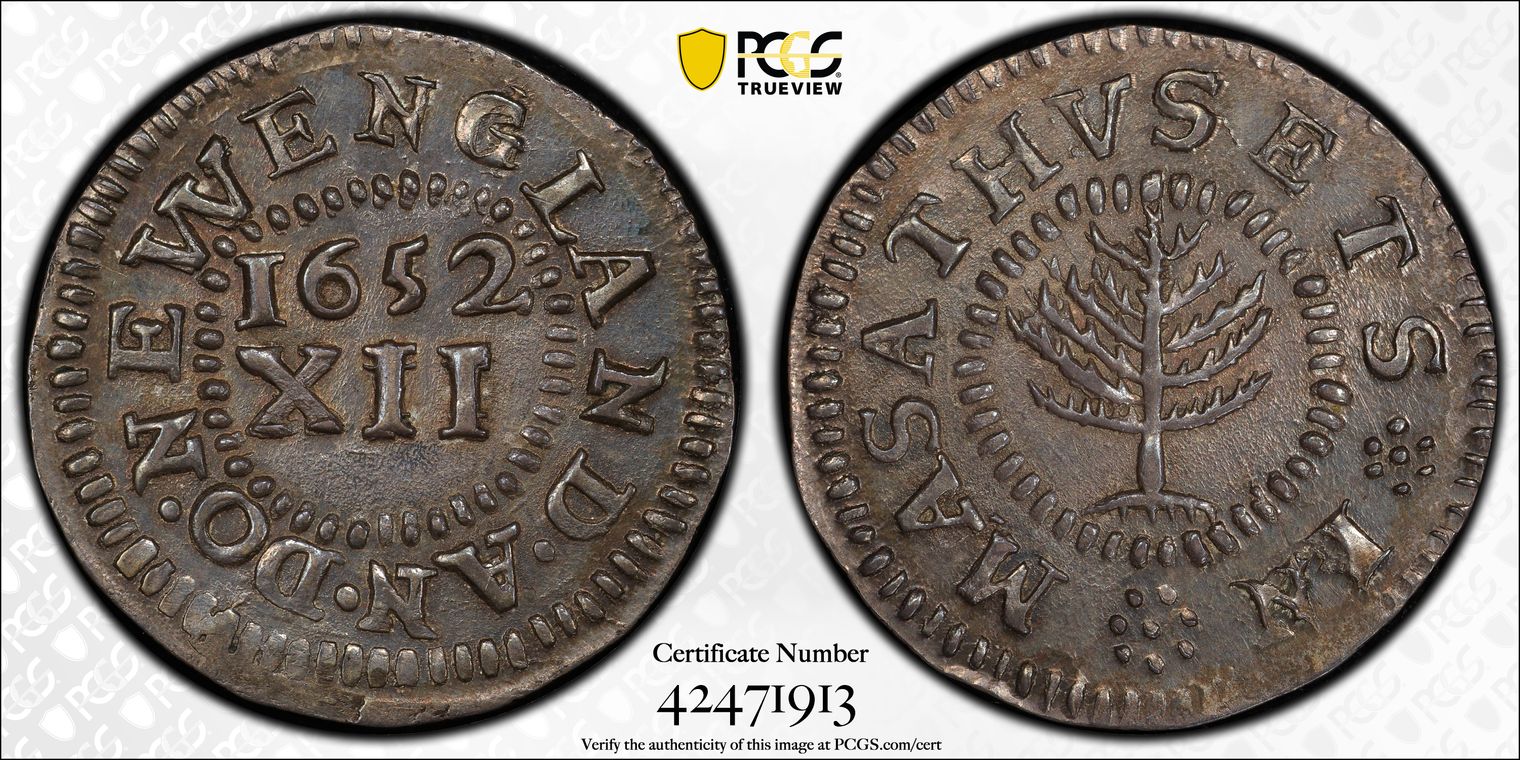
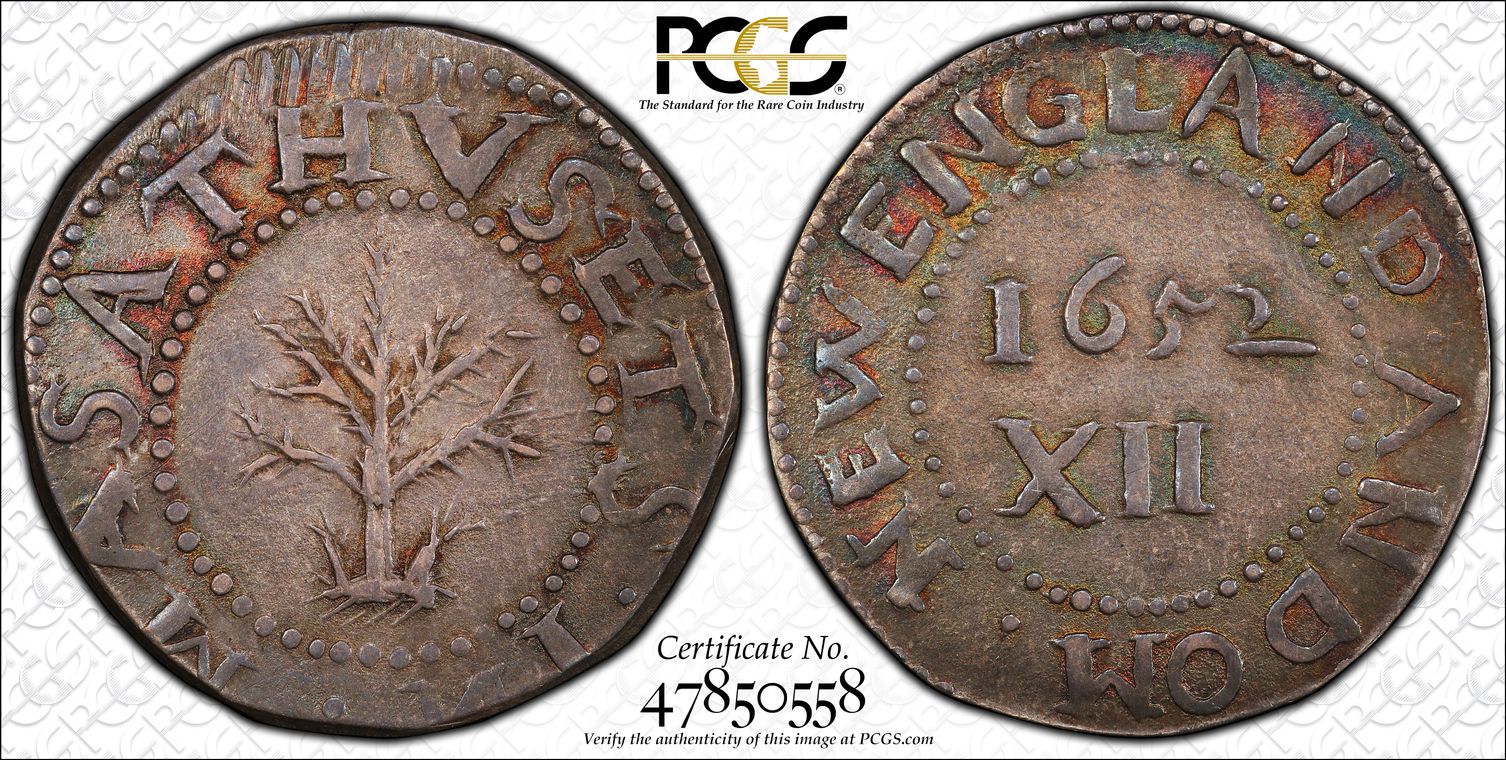
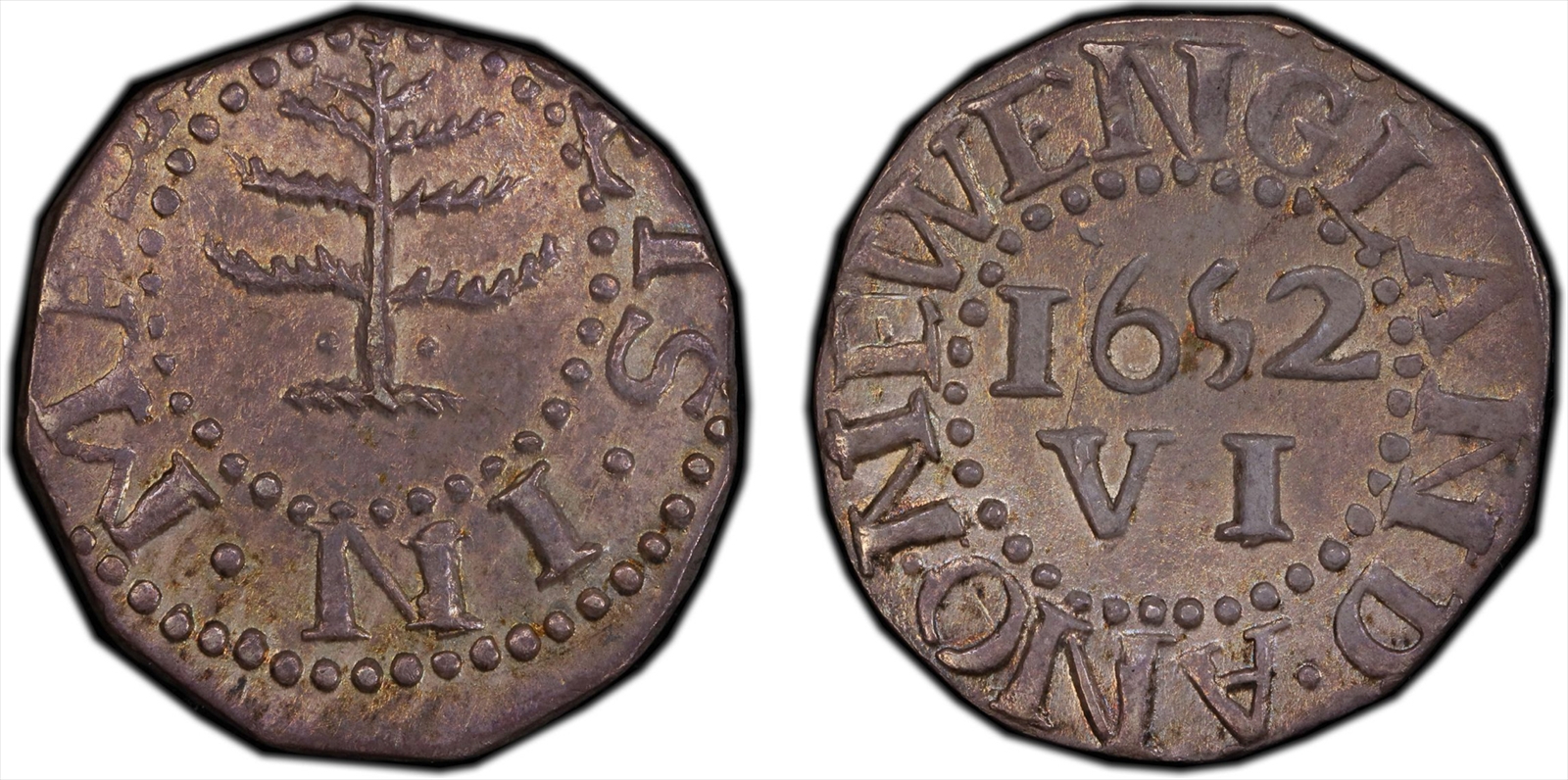
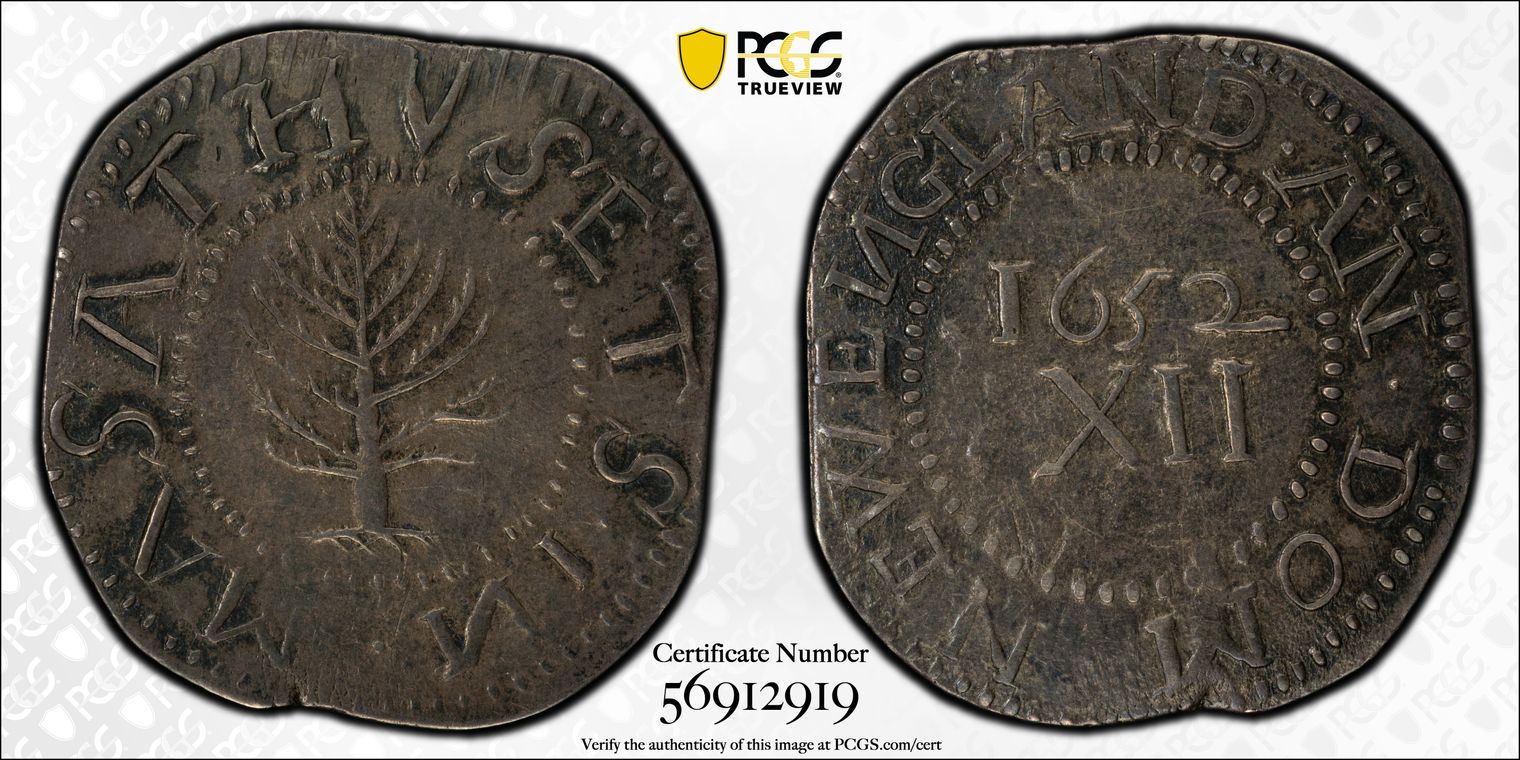
Finest Known Small Planchet Pine Tree Shilling of any variety. While Small Planchet Pines are plentiful, there are well under ten known examples in mint state. I have owned both MS64s, and this is the example that I kept for my collection.
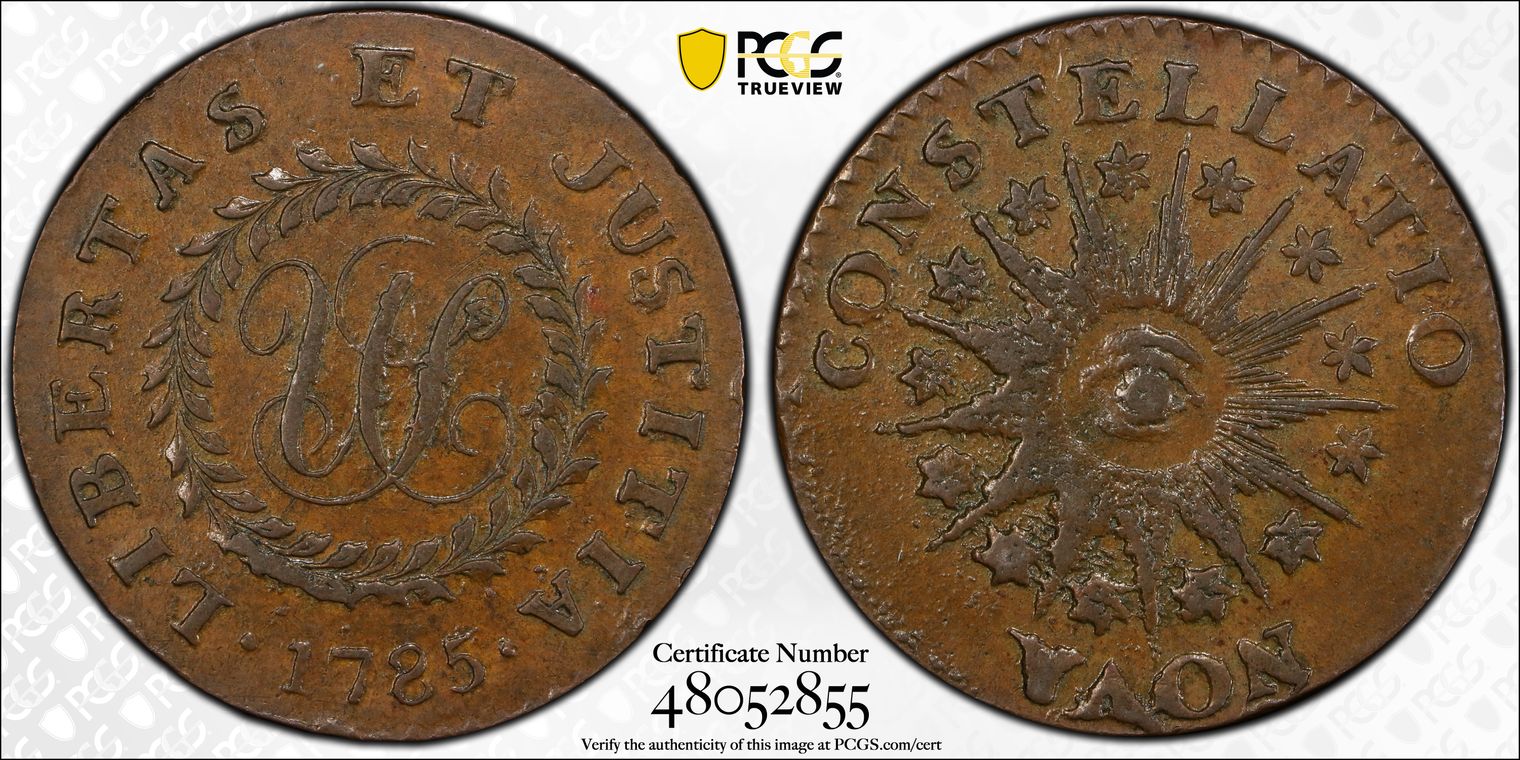
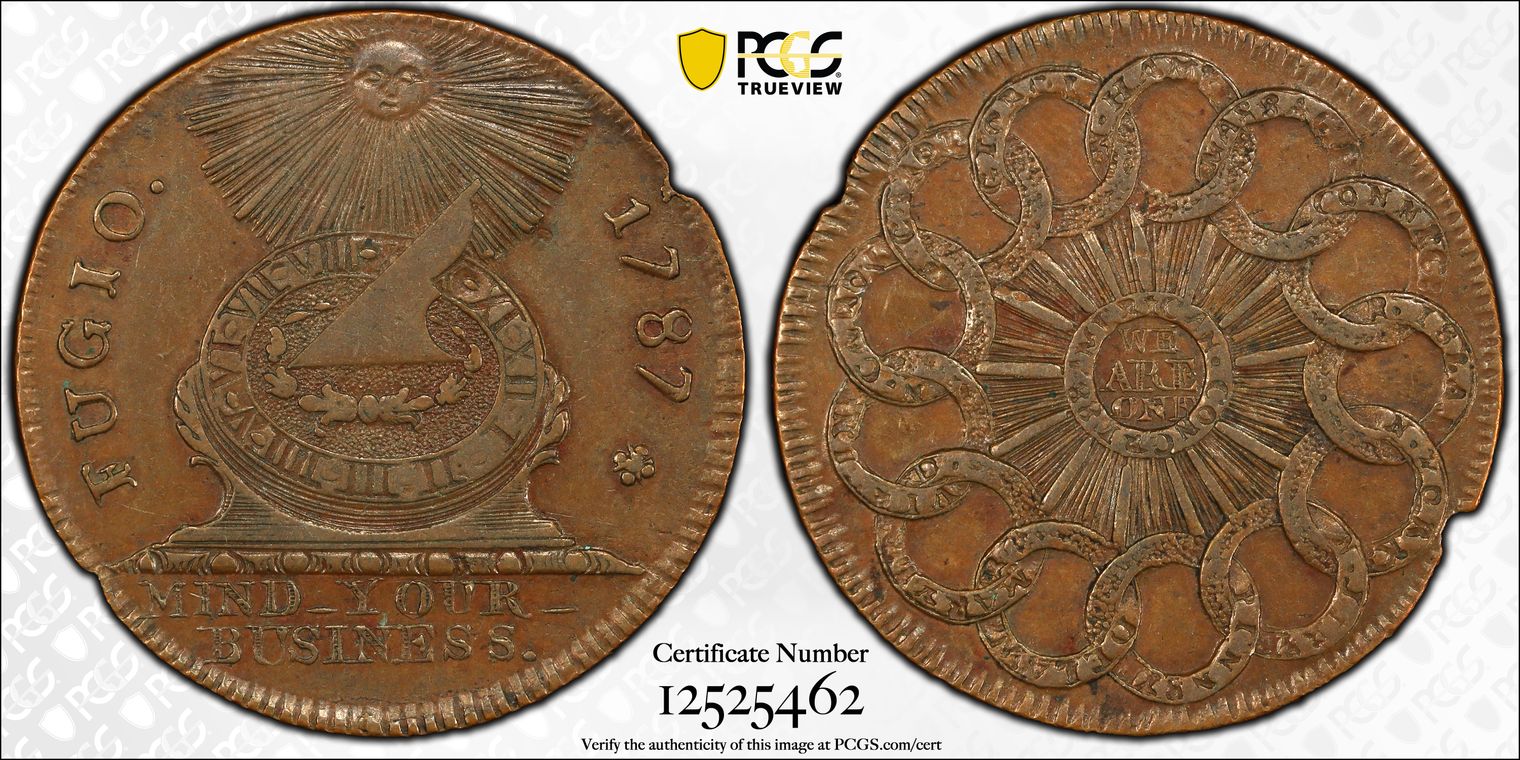
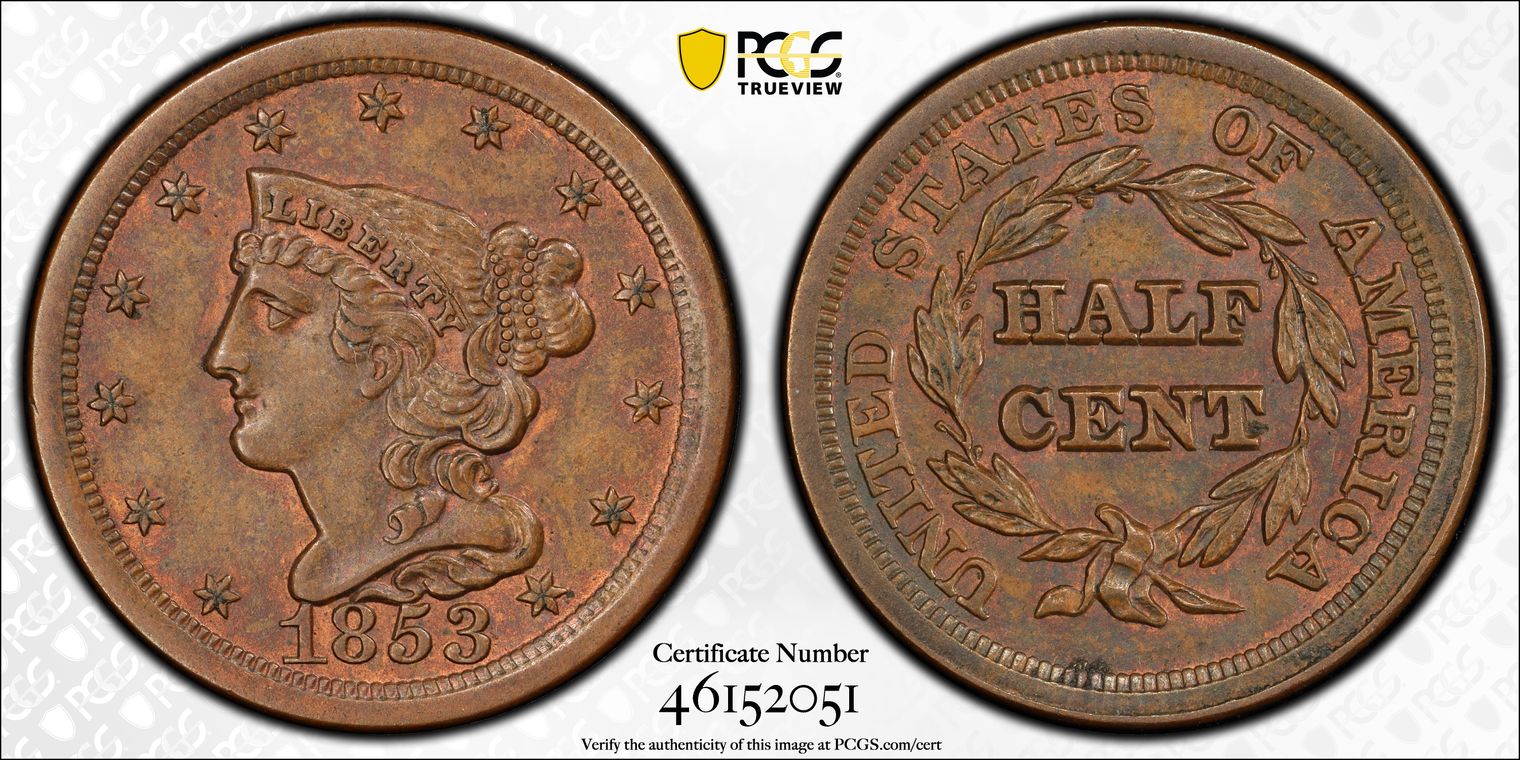
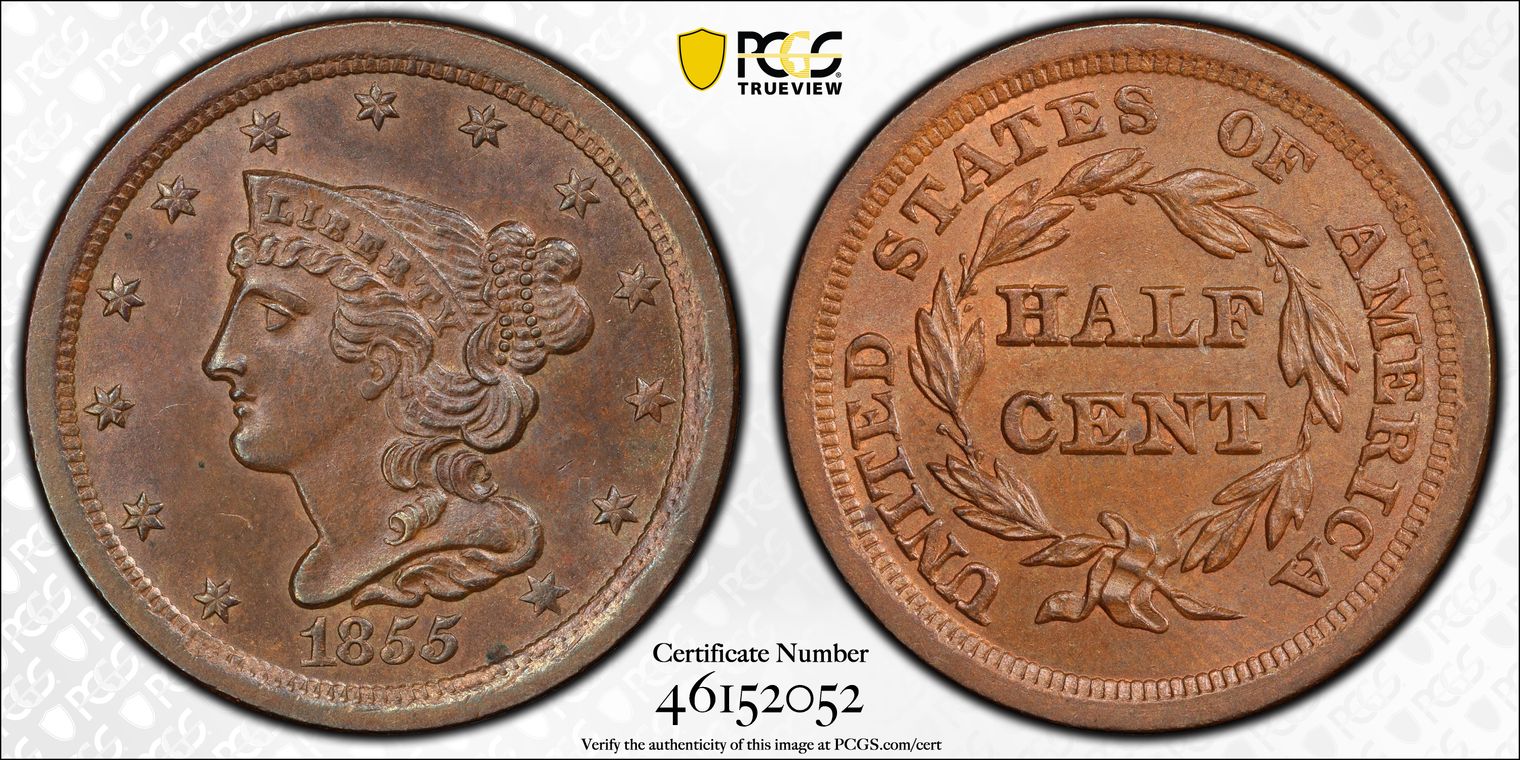
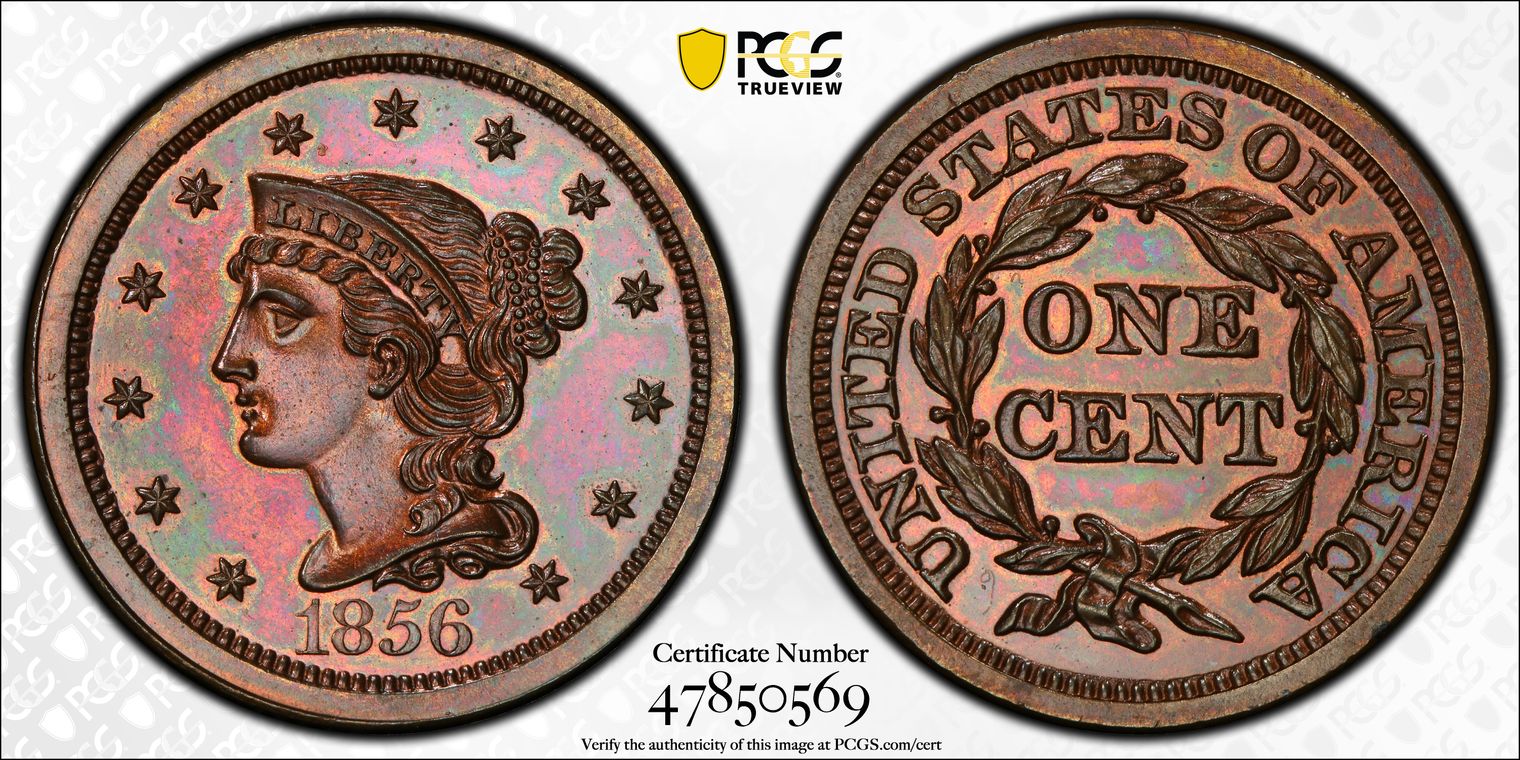
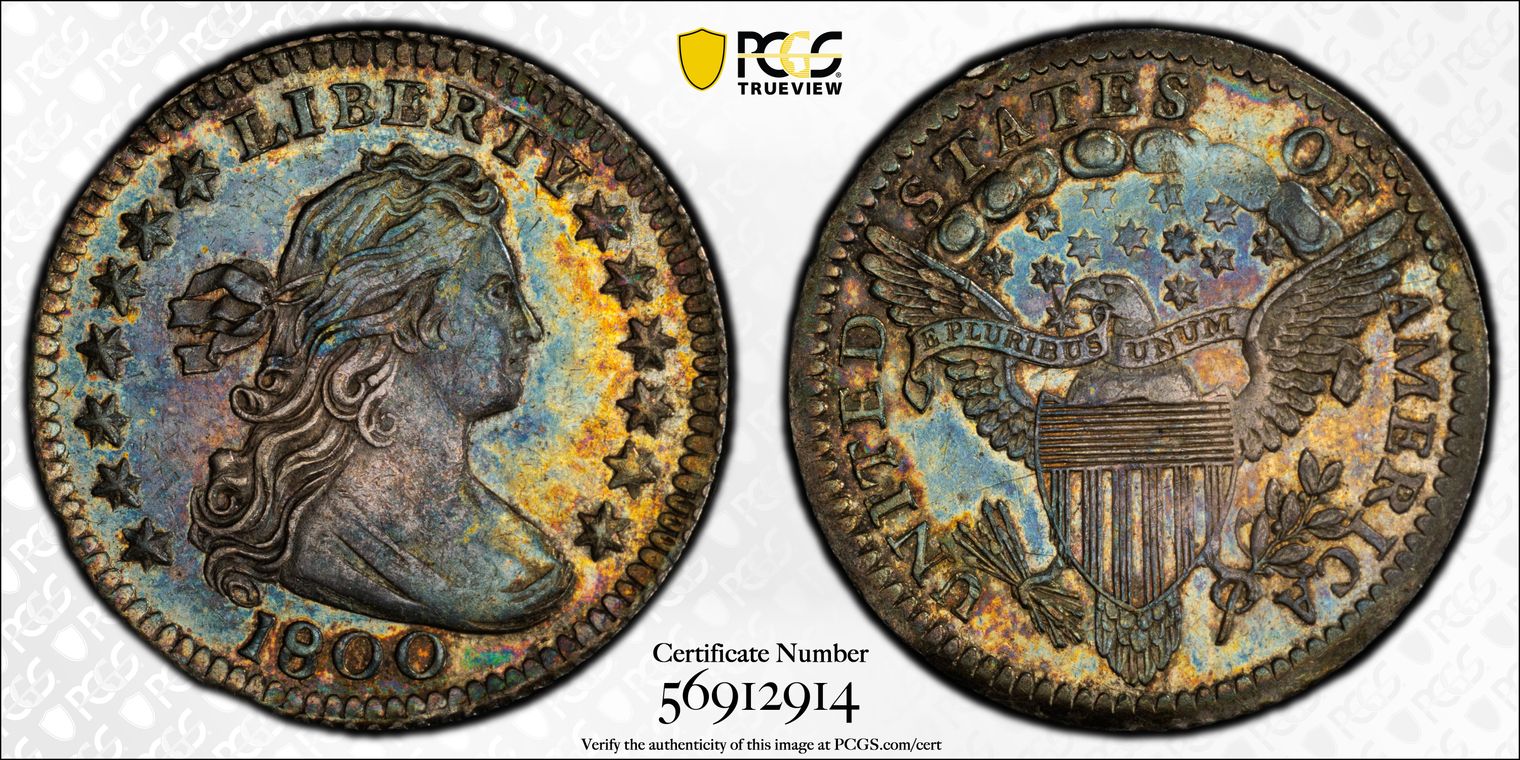
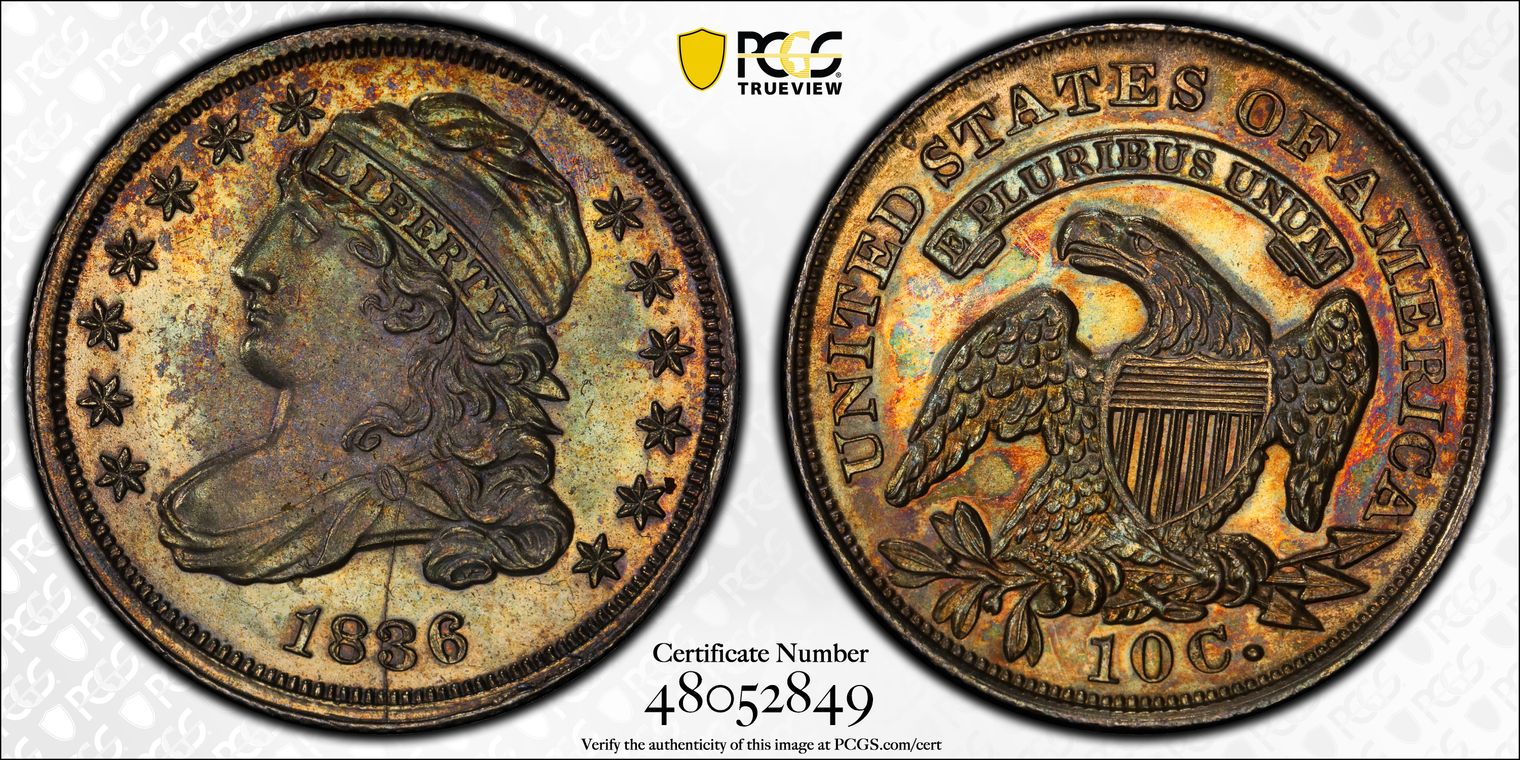
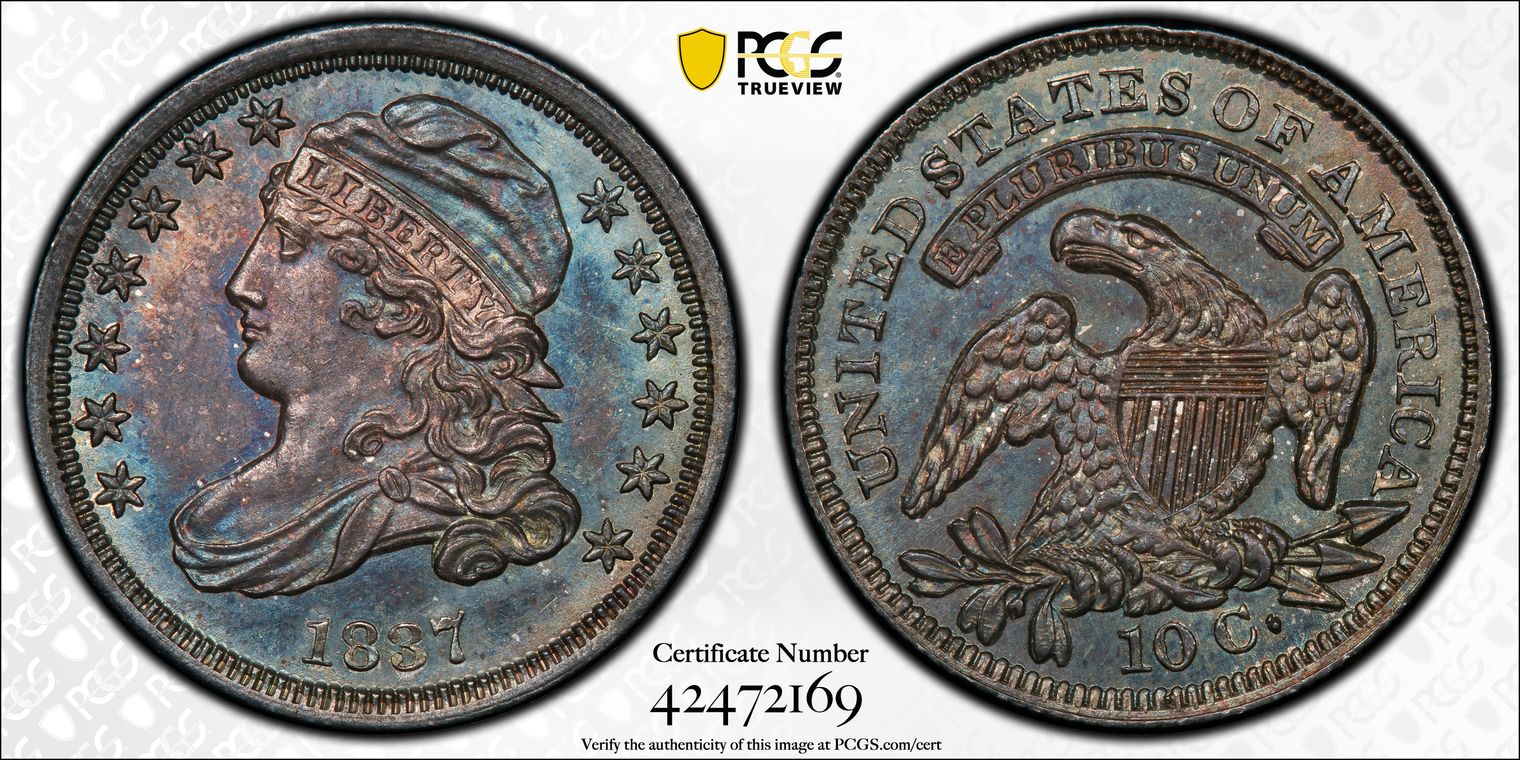
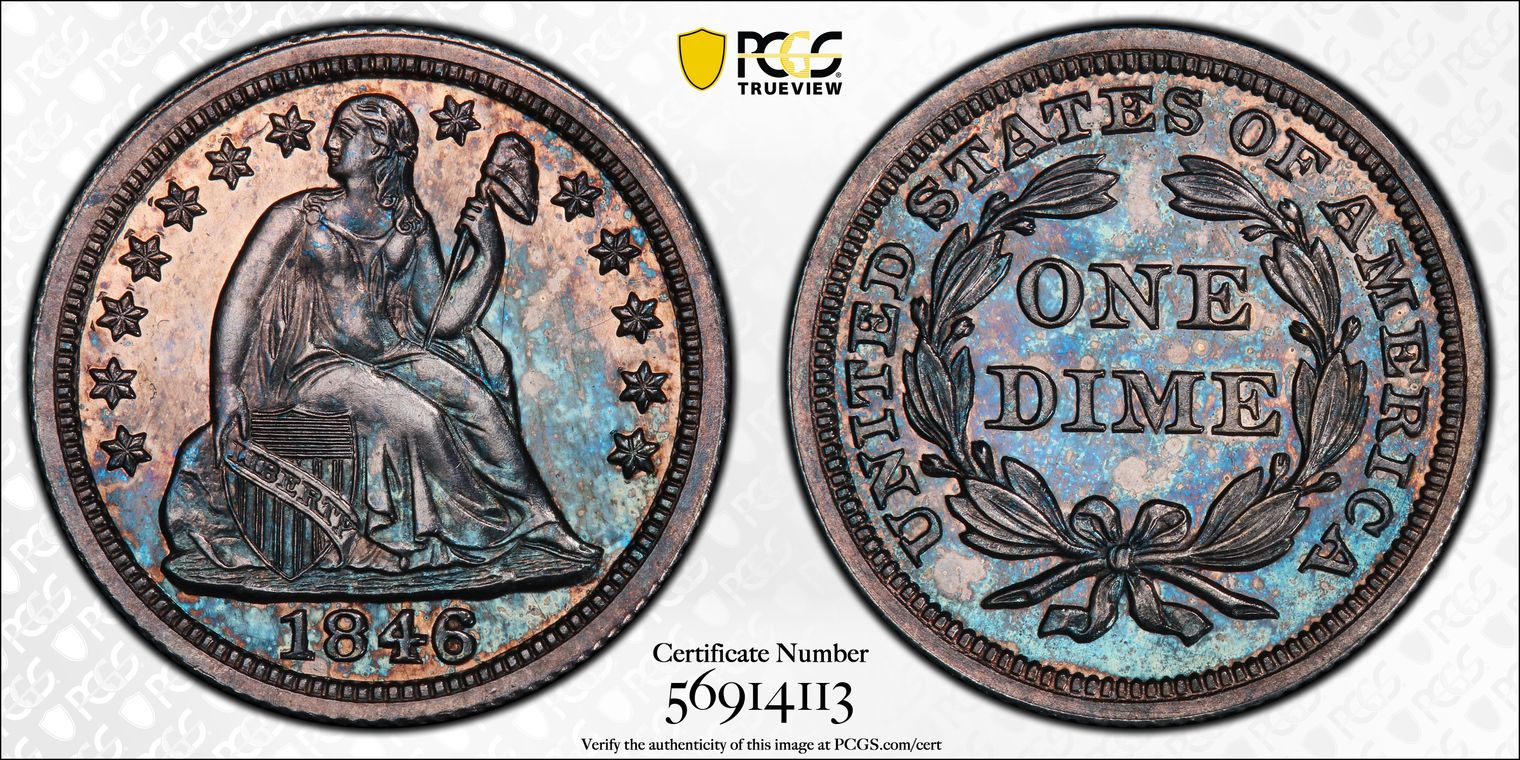
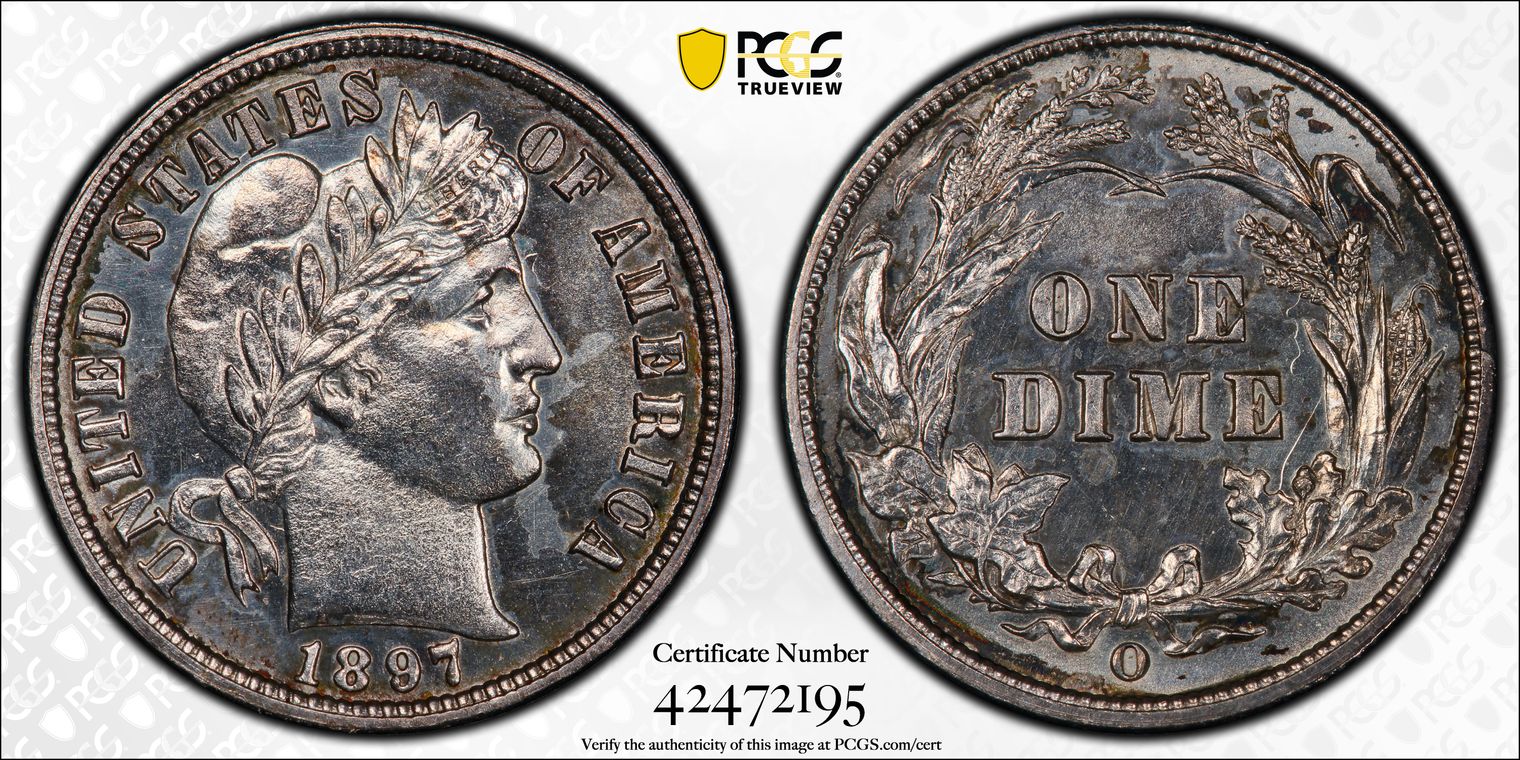
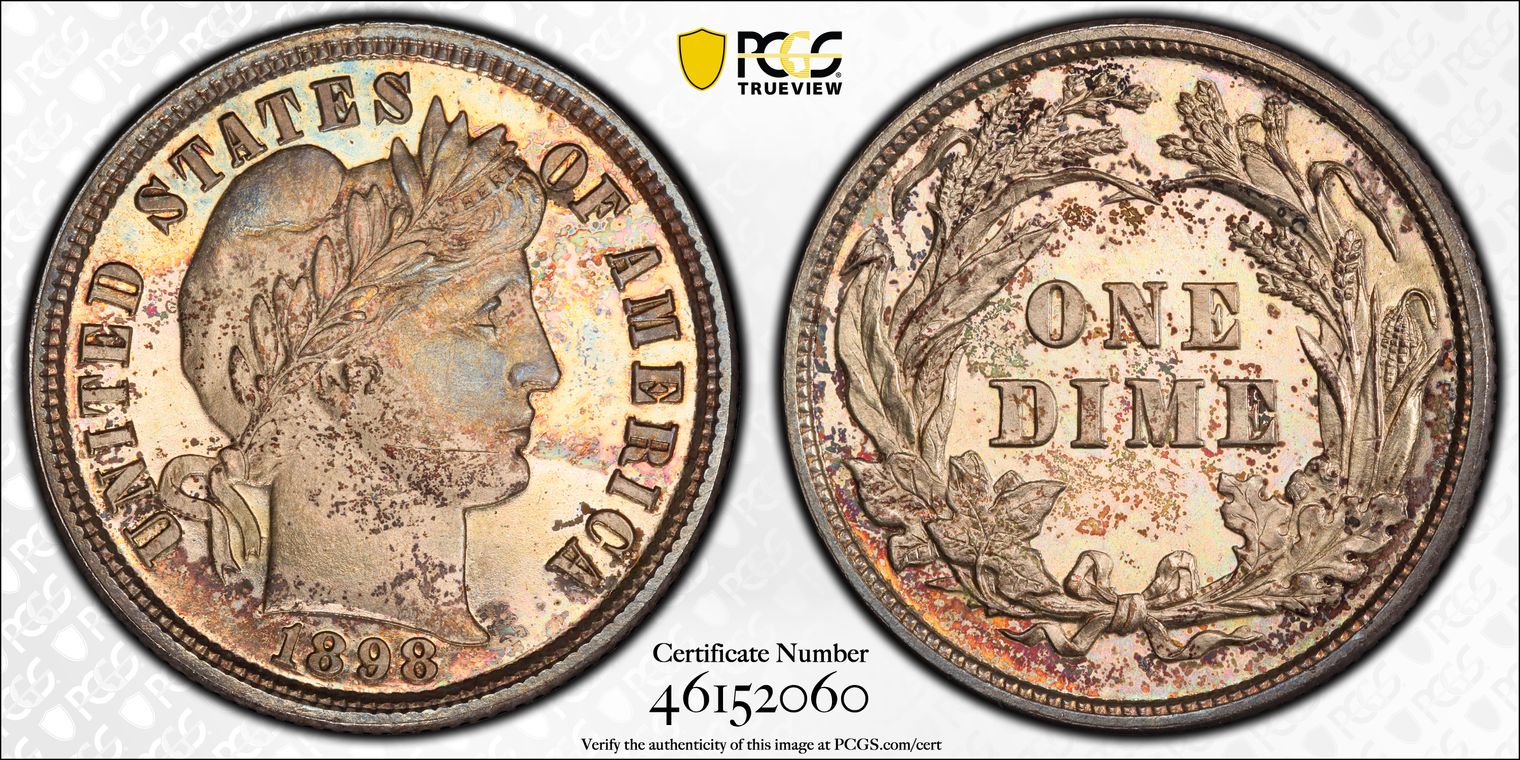
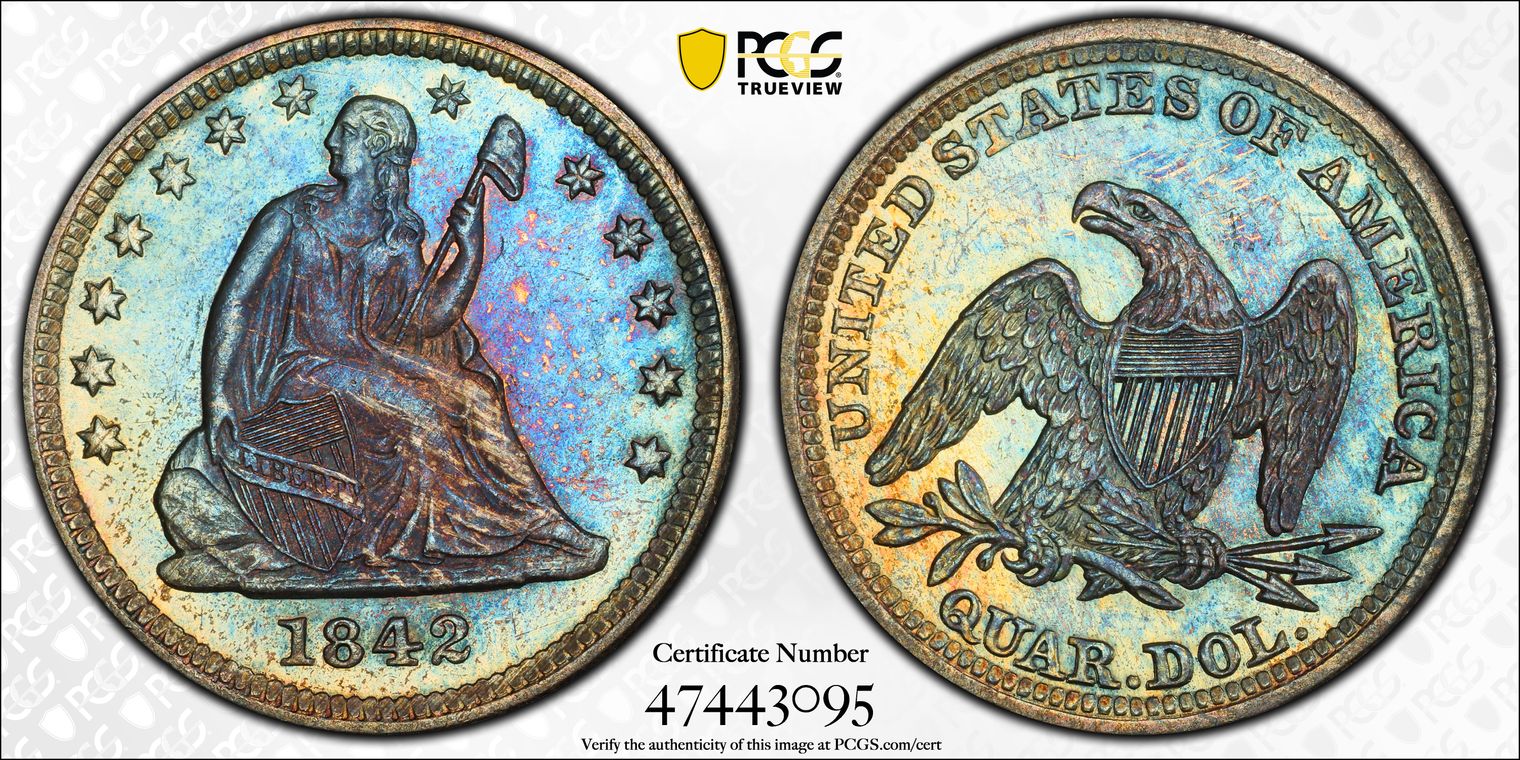
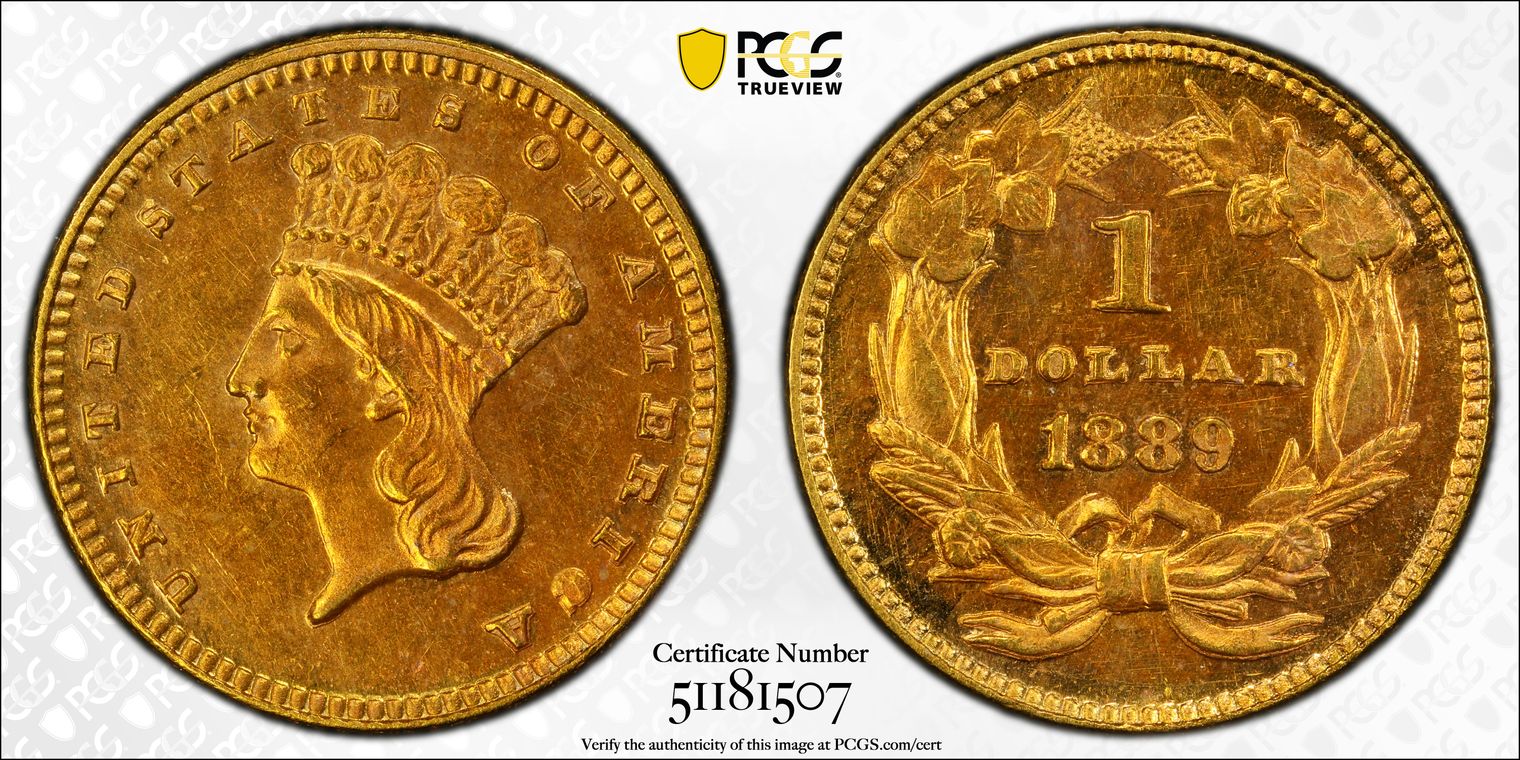
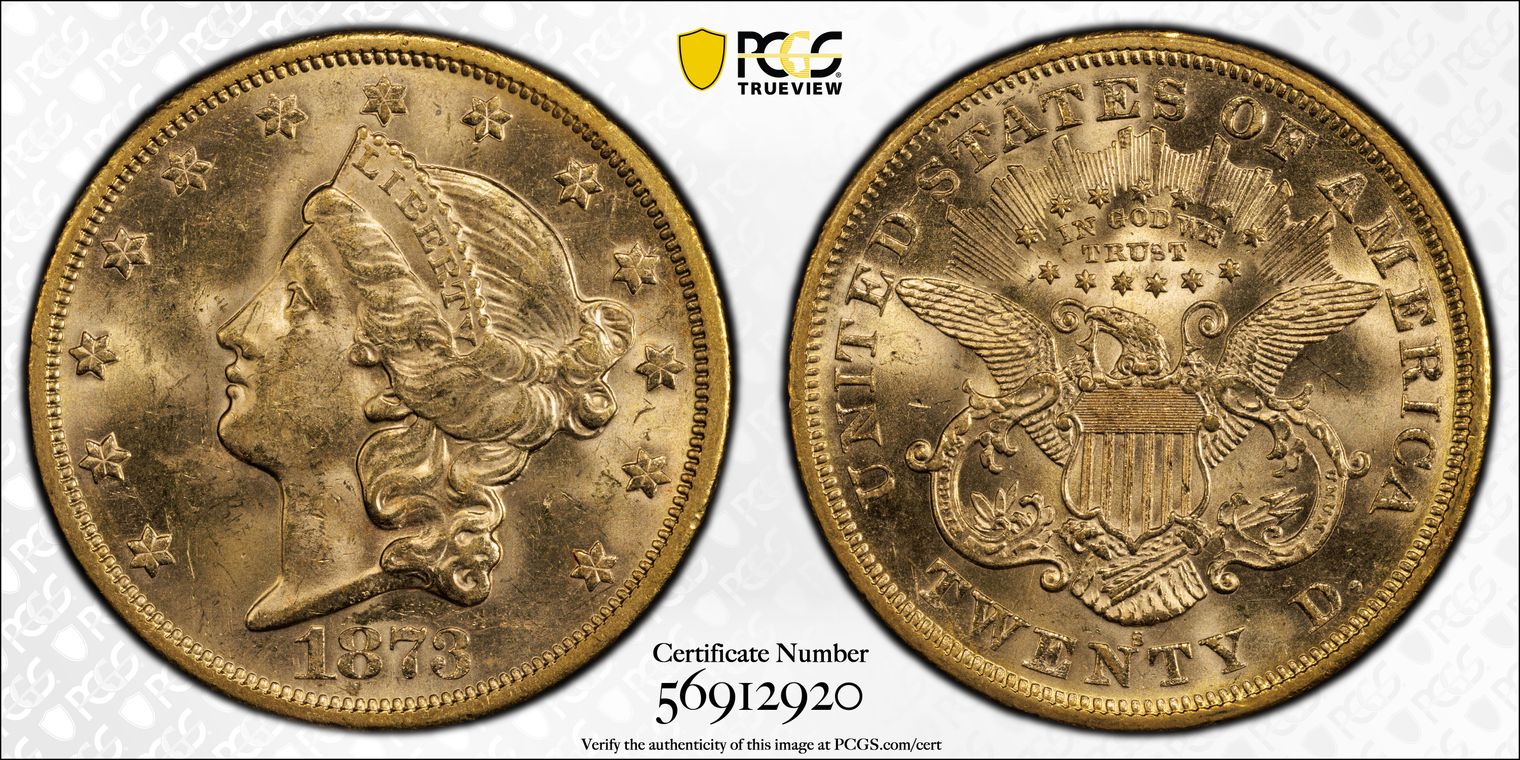
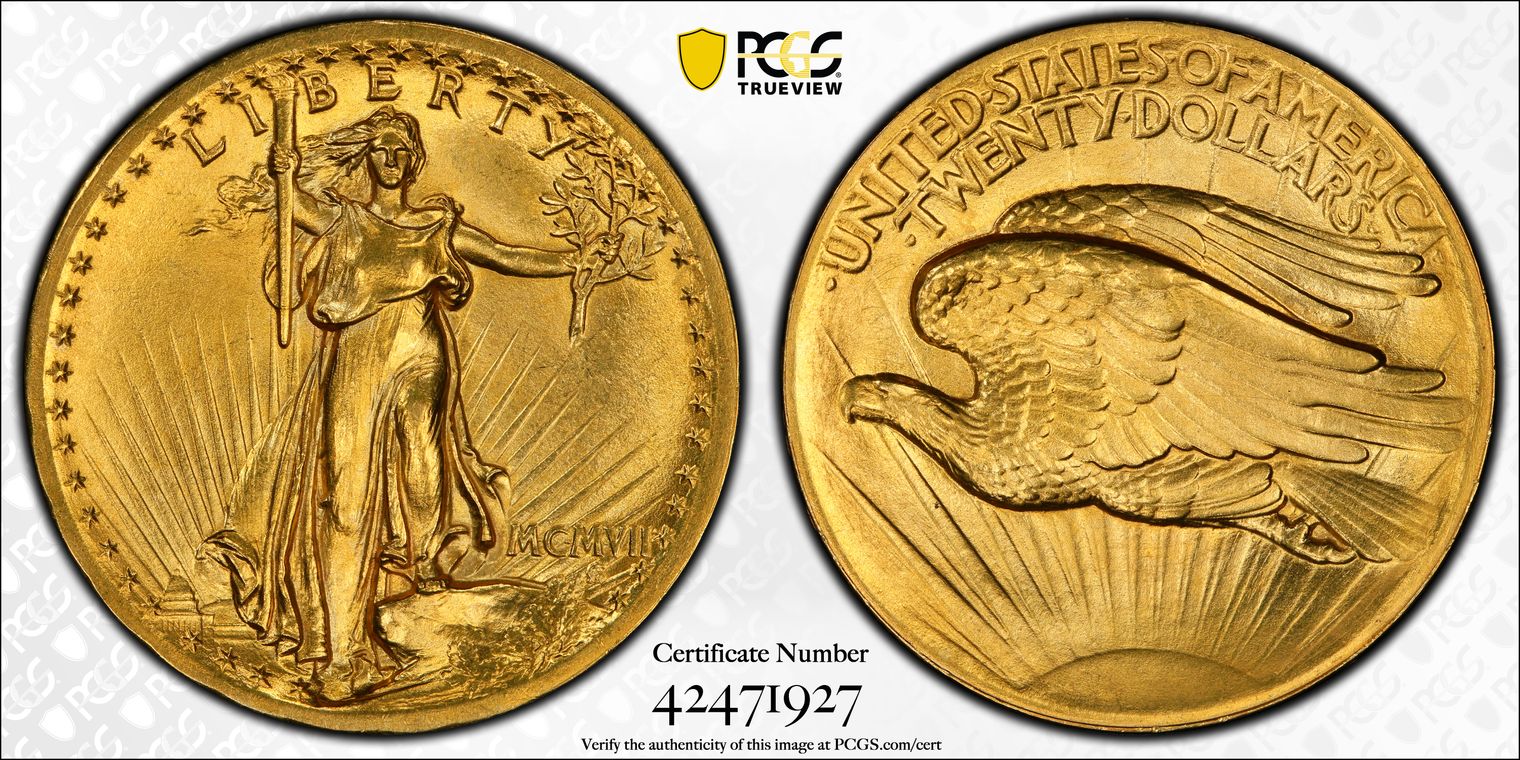
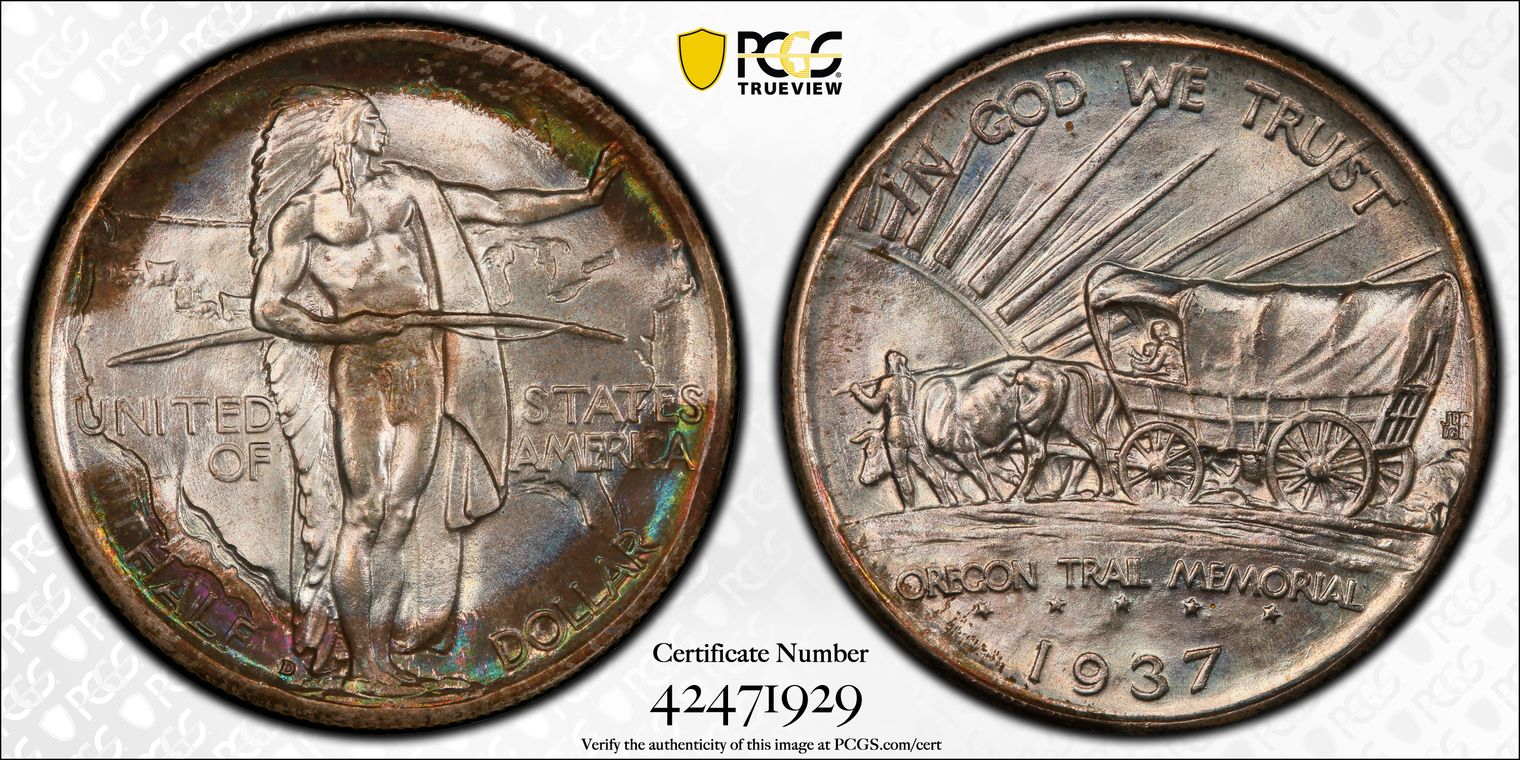
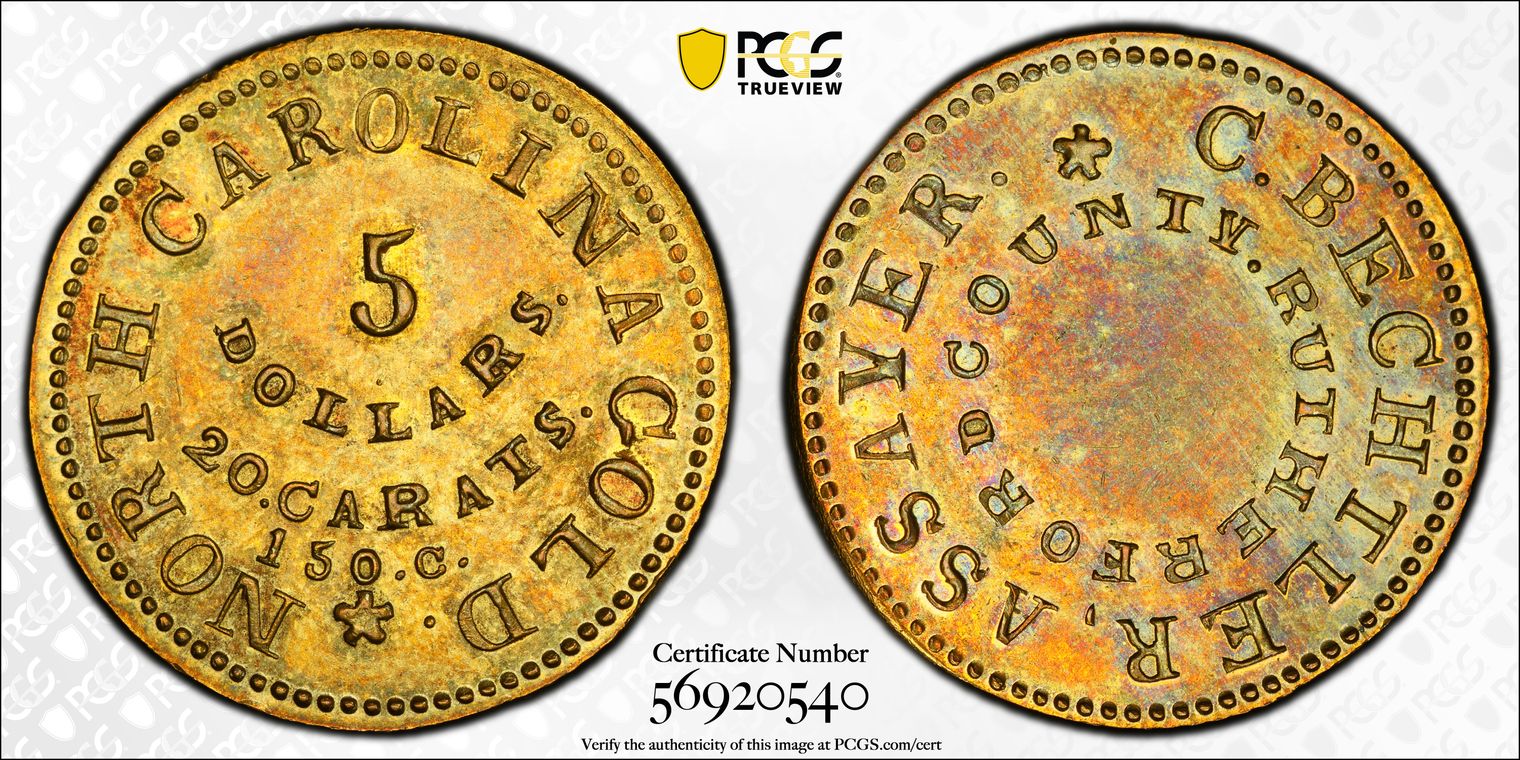
The finest of somewhere between 12 and 15 examples in private hands. First sold publicly as a part of the Bushnell sale in 1882, the coin passed into legendary 19th century dealer Edouard Frossard’s collection, and was auctioned again in 1884. Eventually it passed to ANS President Andrew Zabriskie (Chapman, 1909), where it was purchased by Colonel James W. Ellsworth, and from there it passed to the legendary collection of John Work Garrett. In 1979, it was purchased by Don and Art Kagin, and resided in the Kagin Collection before passing into the collection of Christopher Allen. An absolutely incredible coin, and arguably the greatest Bechtler anywhere.
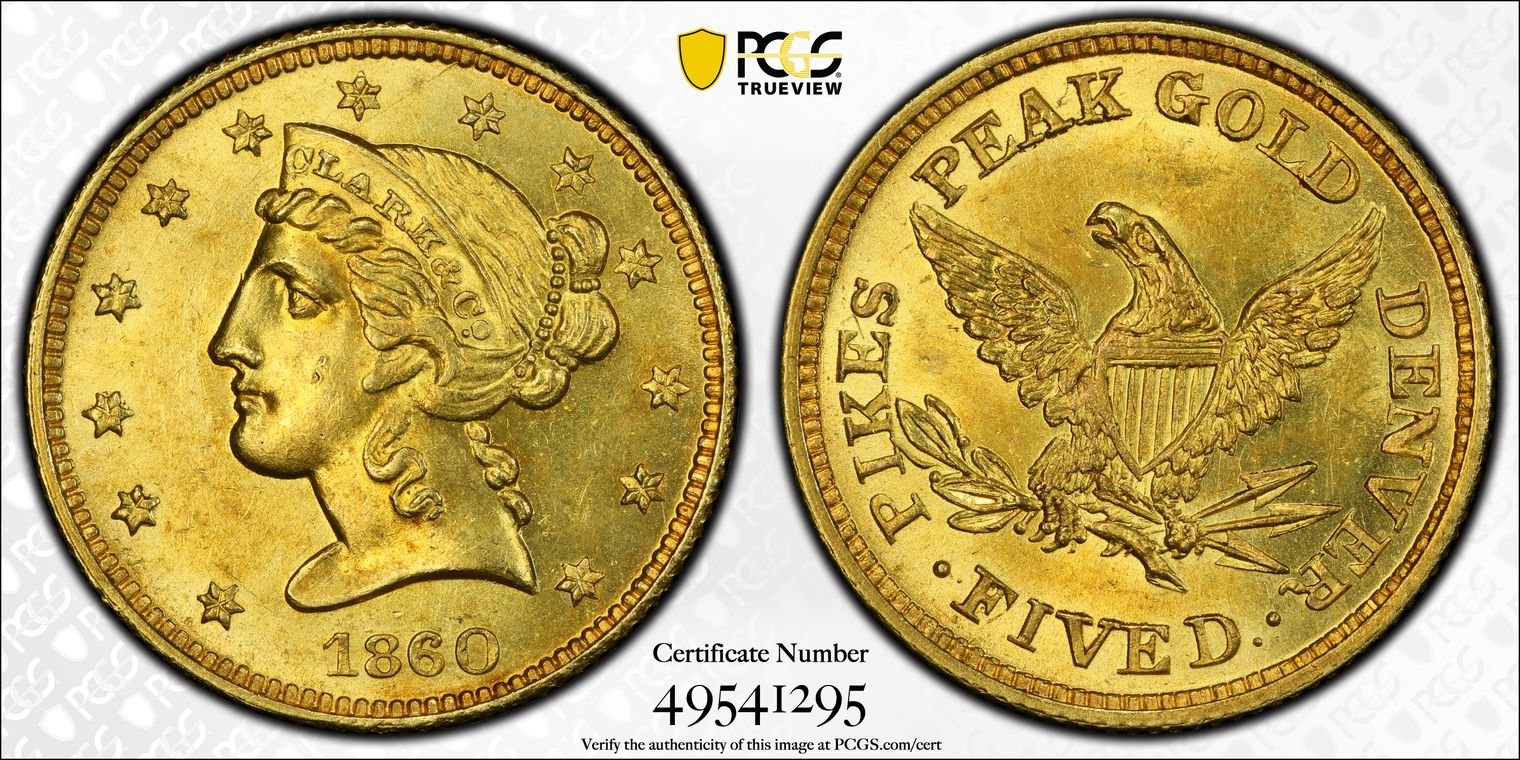
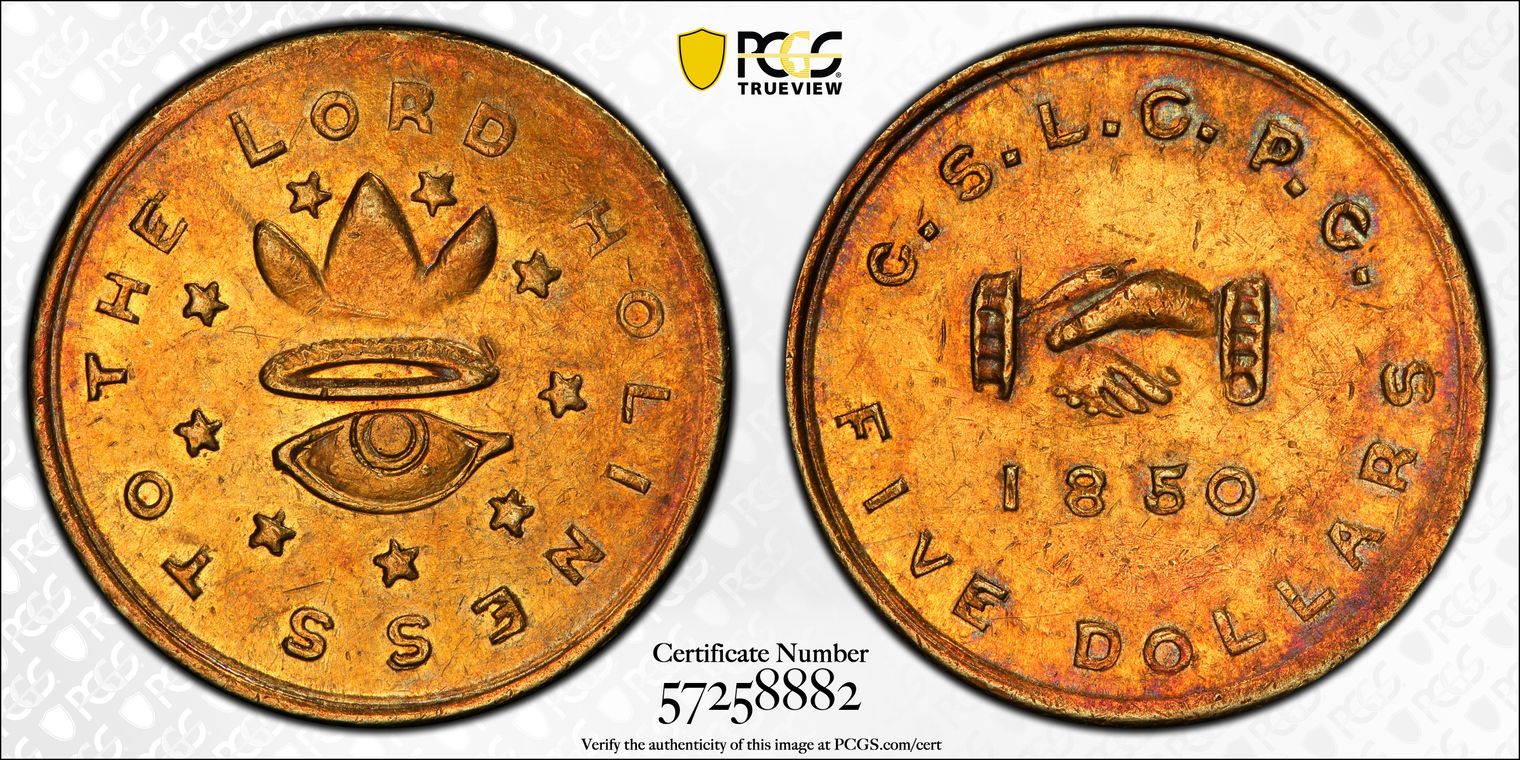
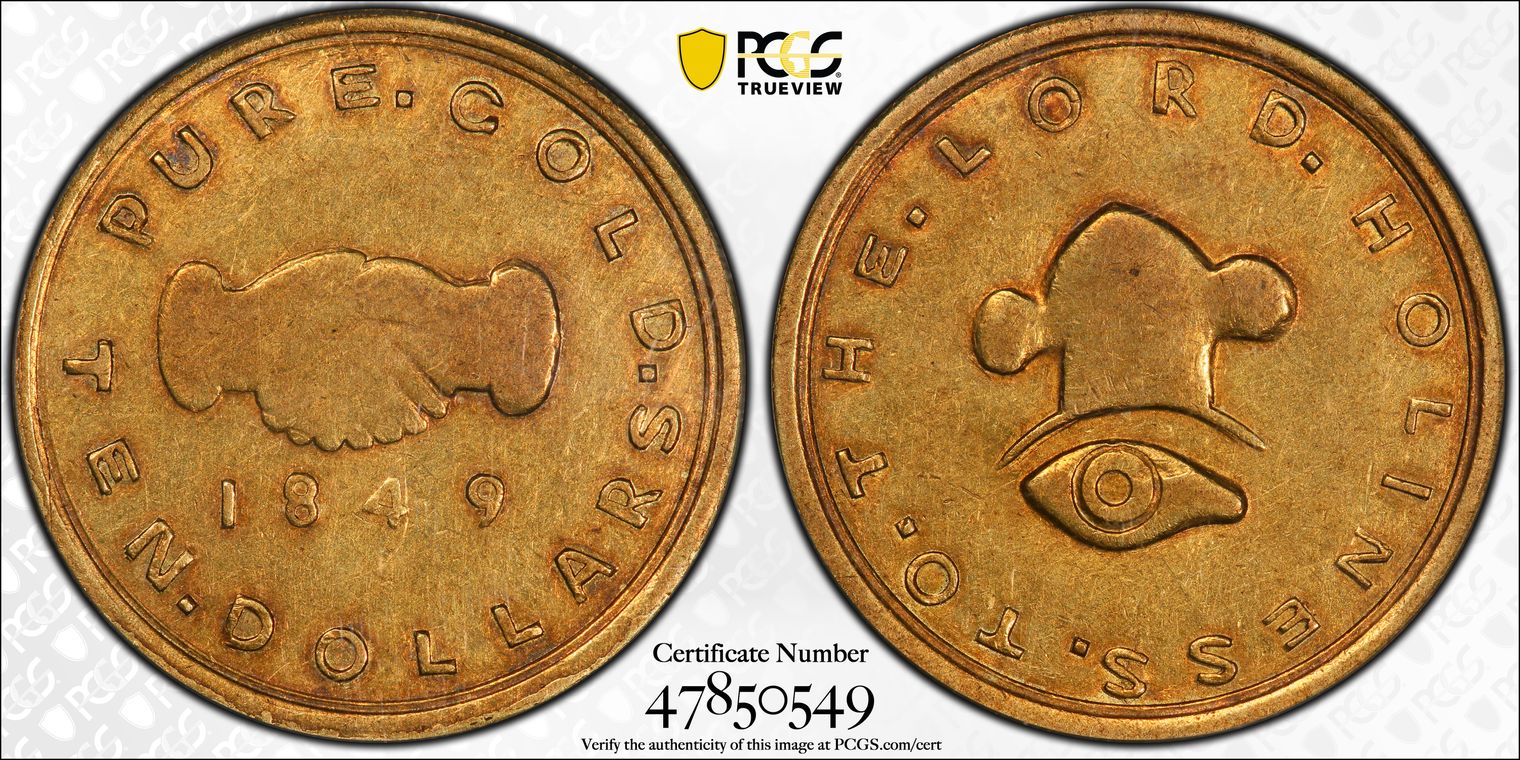
One of the first 46 coins struck from California gold — the Mormon $10s were produced and issued in mid-December, 1848, a couple of weeks before the 1848-dated CAL. Quarter Eagles. Things the finest of four graded Mormon $10s, and was owned by the famed collector “Colonel” E.H.R. Green in the early part of the 20th century. It then passed to legendary composer Jerome Kern, writer of such American standards as “Ol’ Man River”, “Smoke Gets in Your Eyes”, “A Fine Romance”, and “The Way You Look Tonight”. After Kern’s death in 1945, it was auctioned by B. Max Mehl, and passed into the collection of Amon Carter Sr. Following the death of Amon Carter Jr., it was sold by Stacks, and eventually found a place in the collection of Larry Miller, owner of the Utah Jazz. As the first coin struck from California gold, the Mormon $10 is among the most historically important pieces of Pioneer Gold. It is also incredibly rare, and has been absent from most of the greatest collections of Pioneer Gold Coins. The Green/Kern/Carter specimen is unquestionably the finest in private hands, boasting a full strike, choice luster, and fantastic original color.
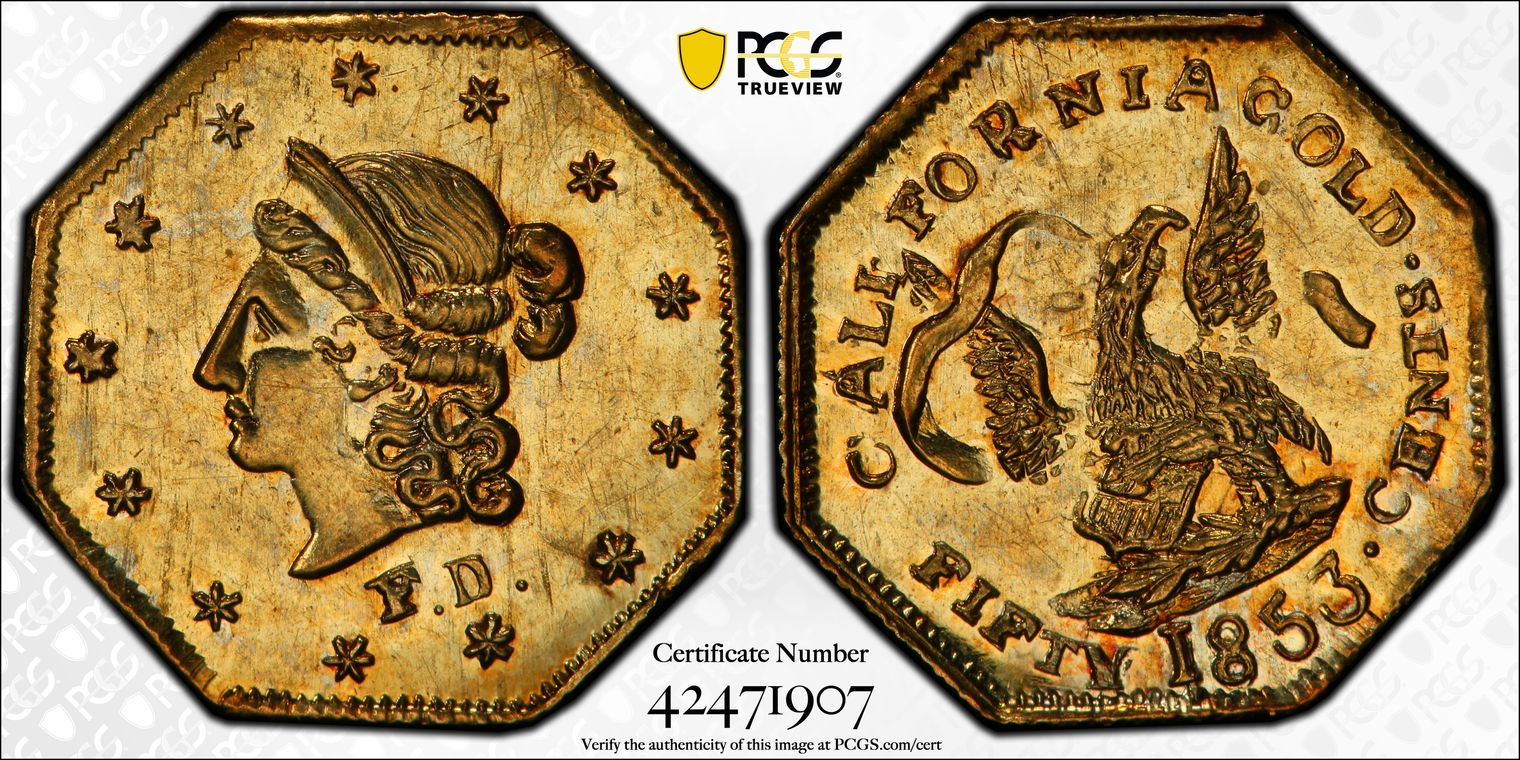
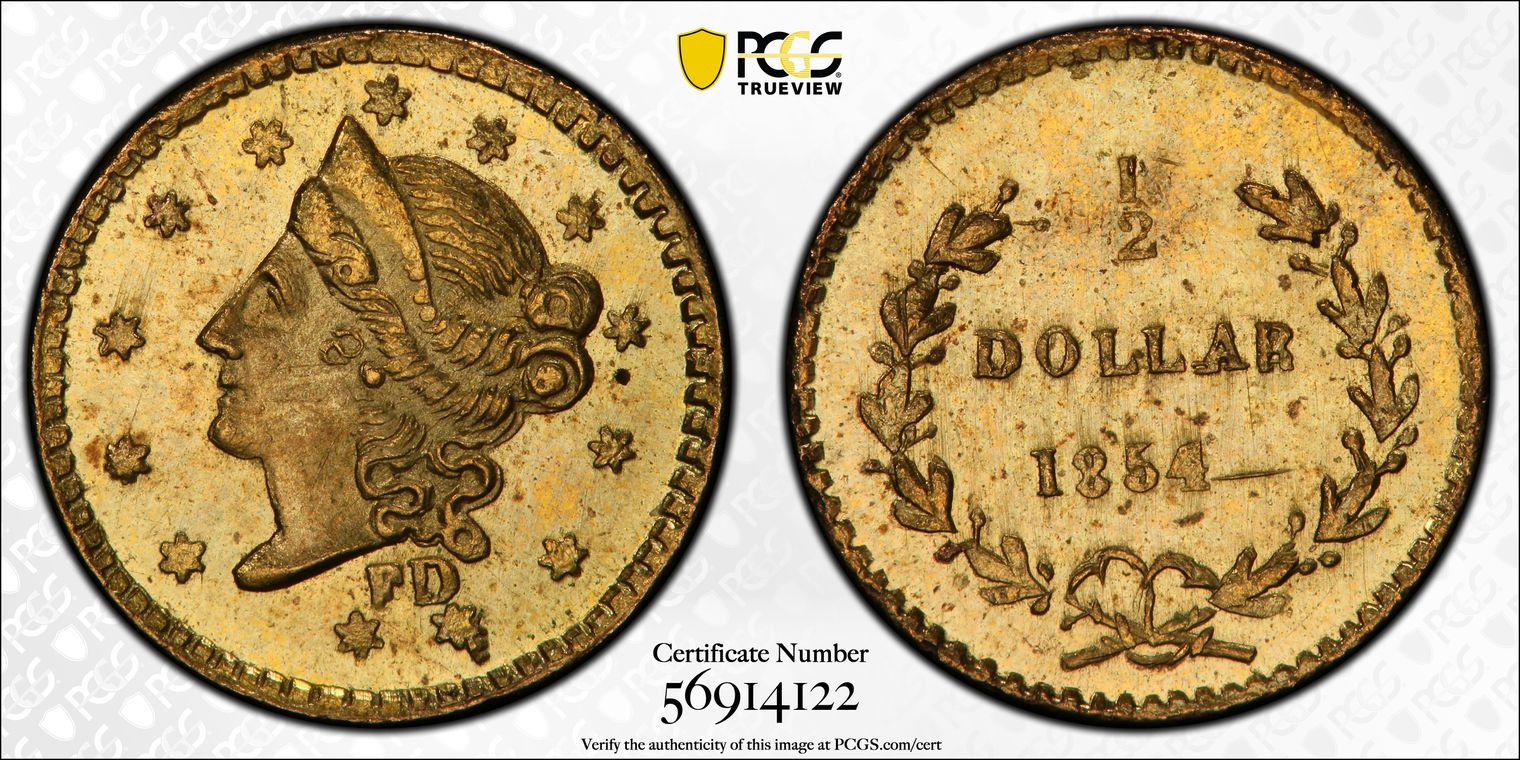
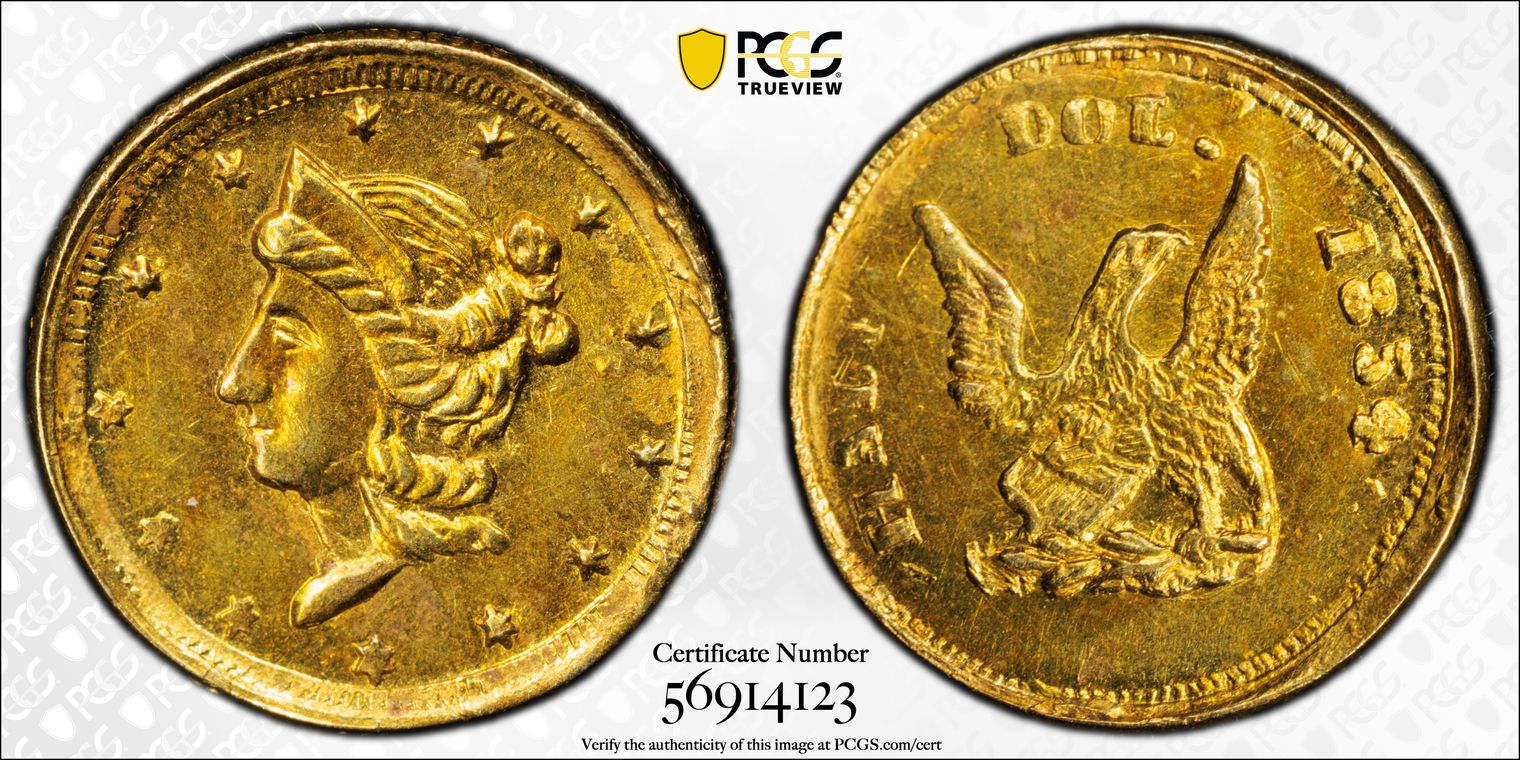
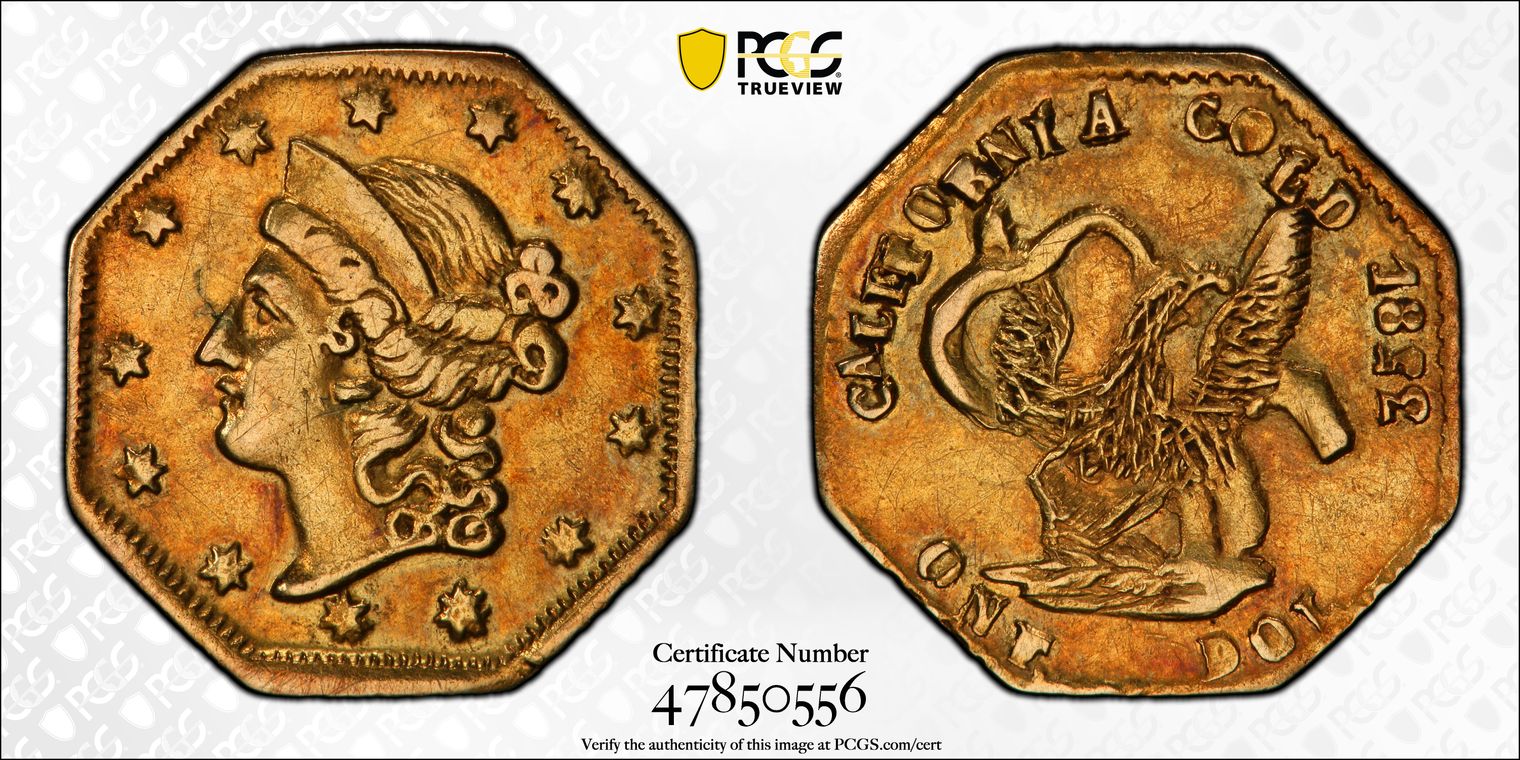

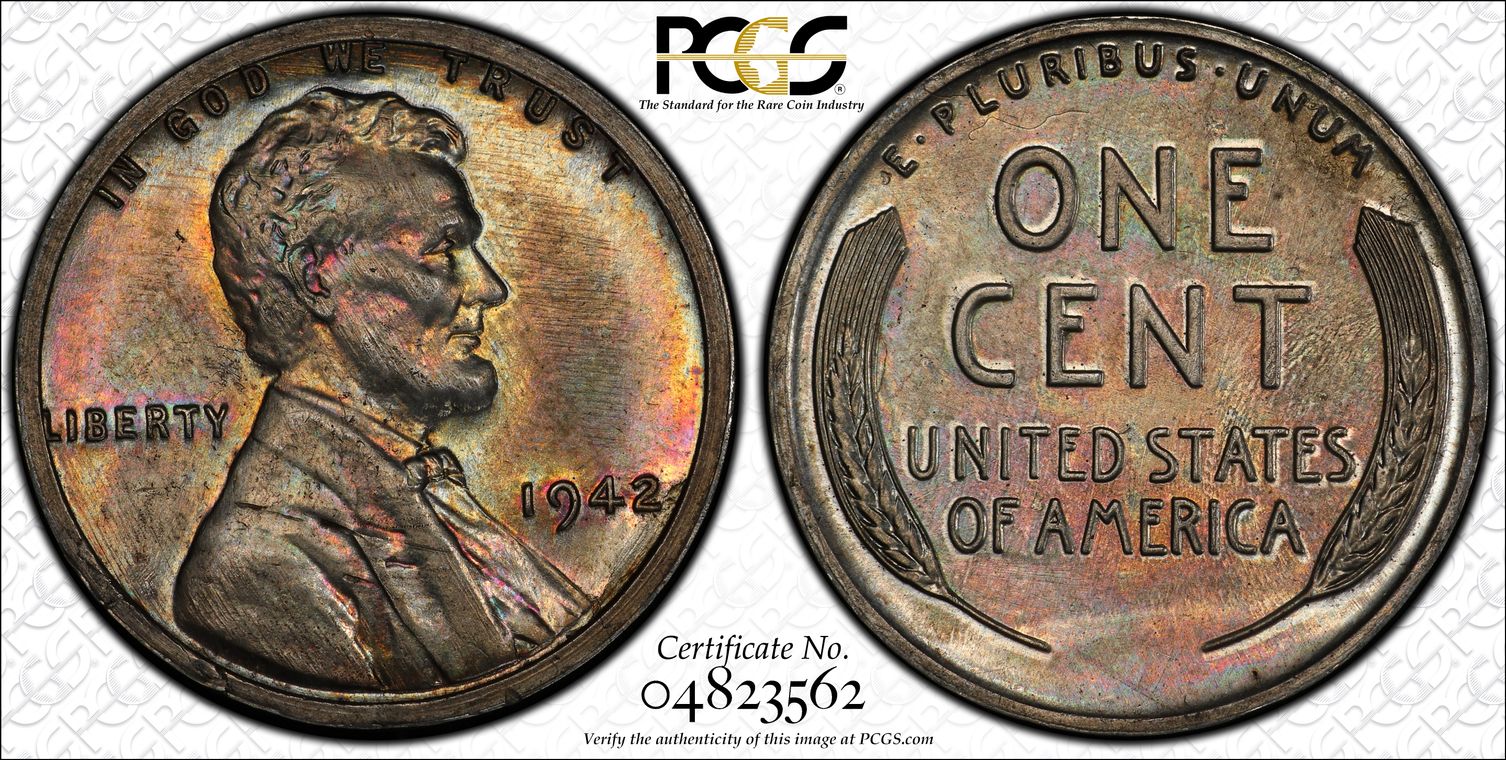
High Relief Lincoln Cent - One of two known white-metal 1942 experimental Lincoln Cents struck from an obverse die that measures 20% higher relief than the regular issue examples. Mint records suggest that these pieces were part of the process that eventually produced the "WAR SERIES" experimental dies. This is among the very last true patterns available to collectors.
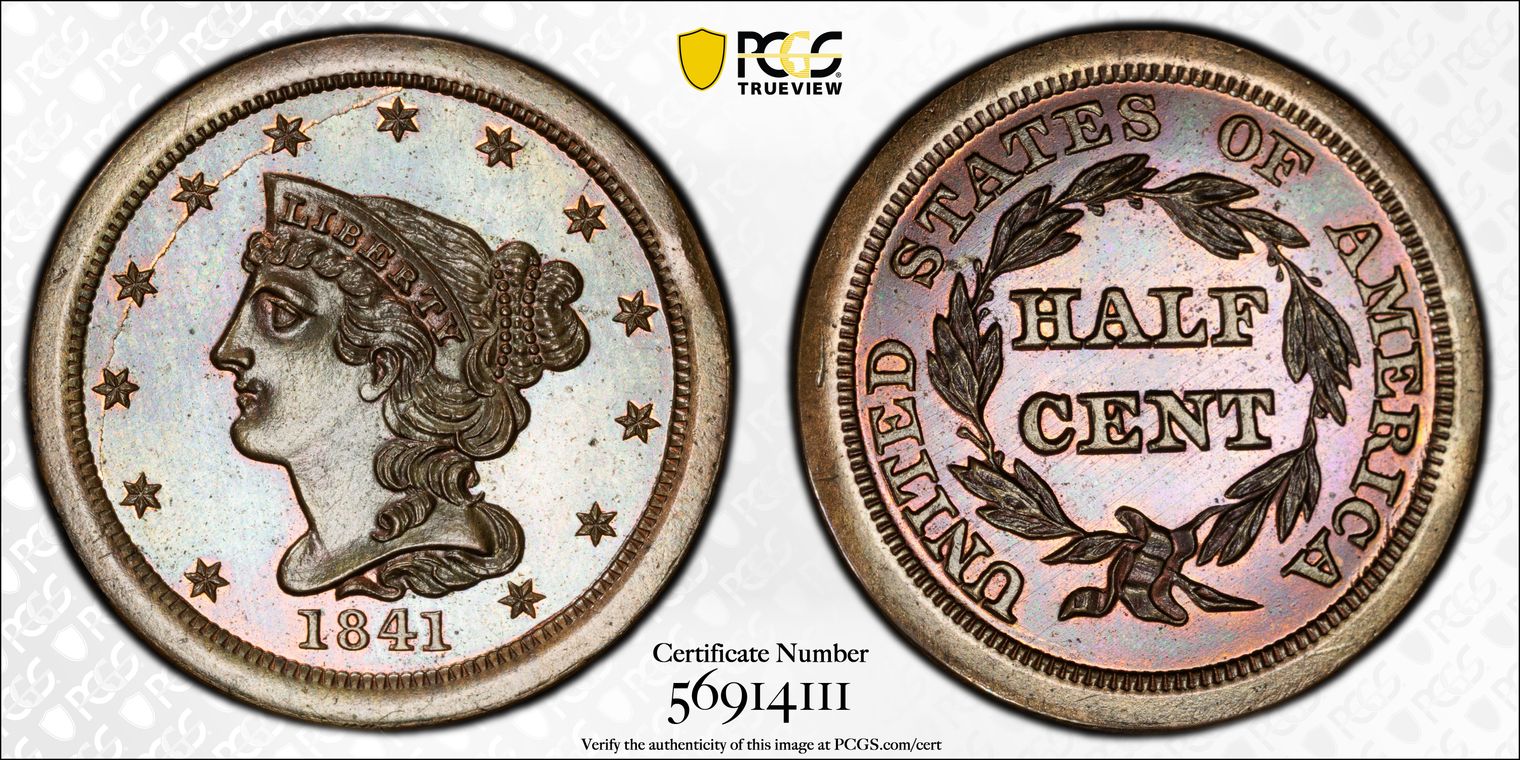
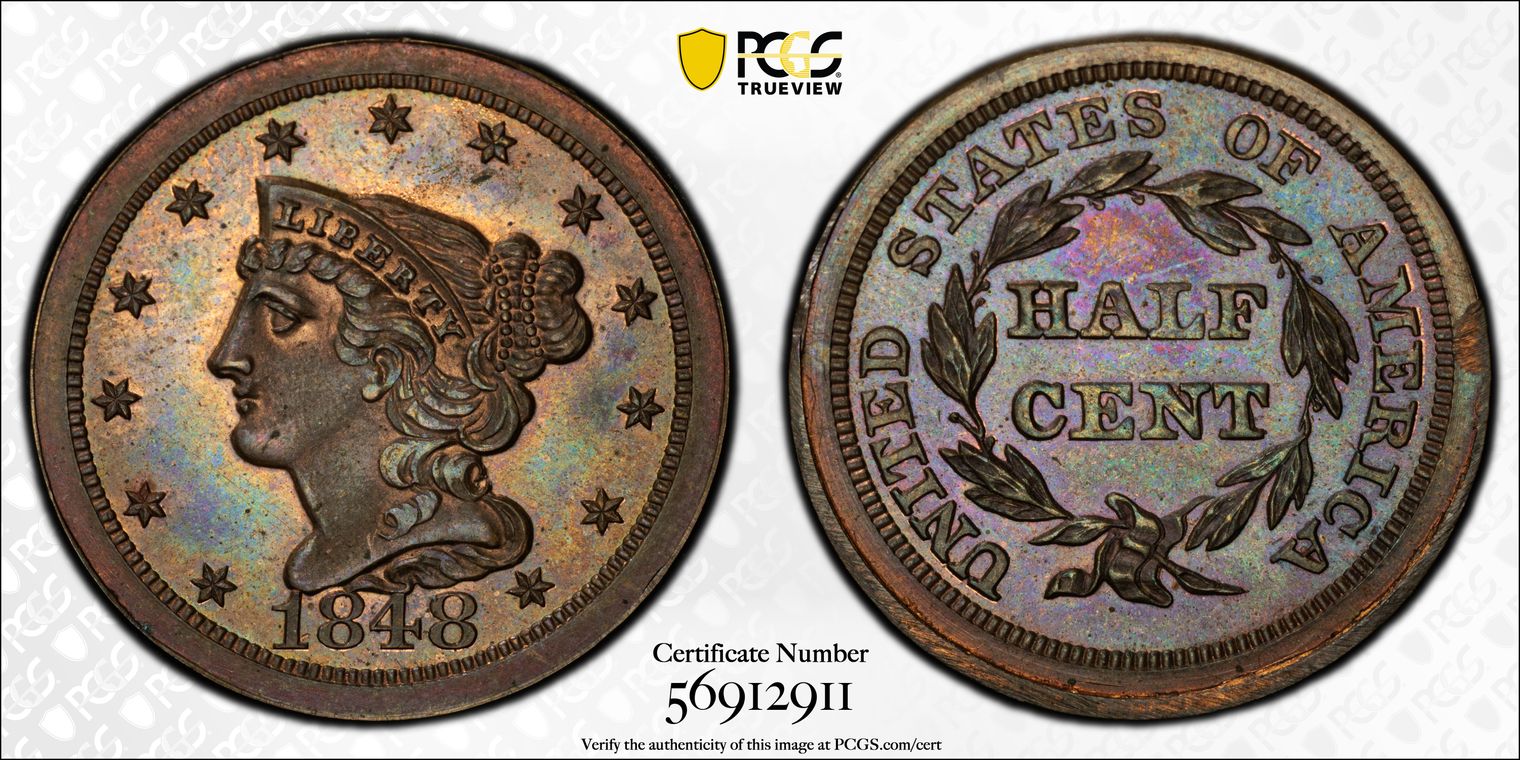
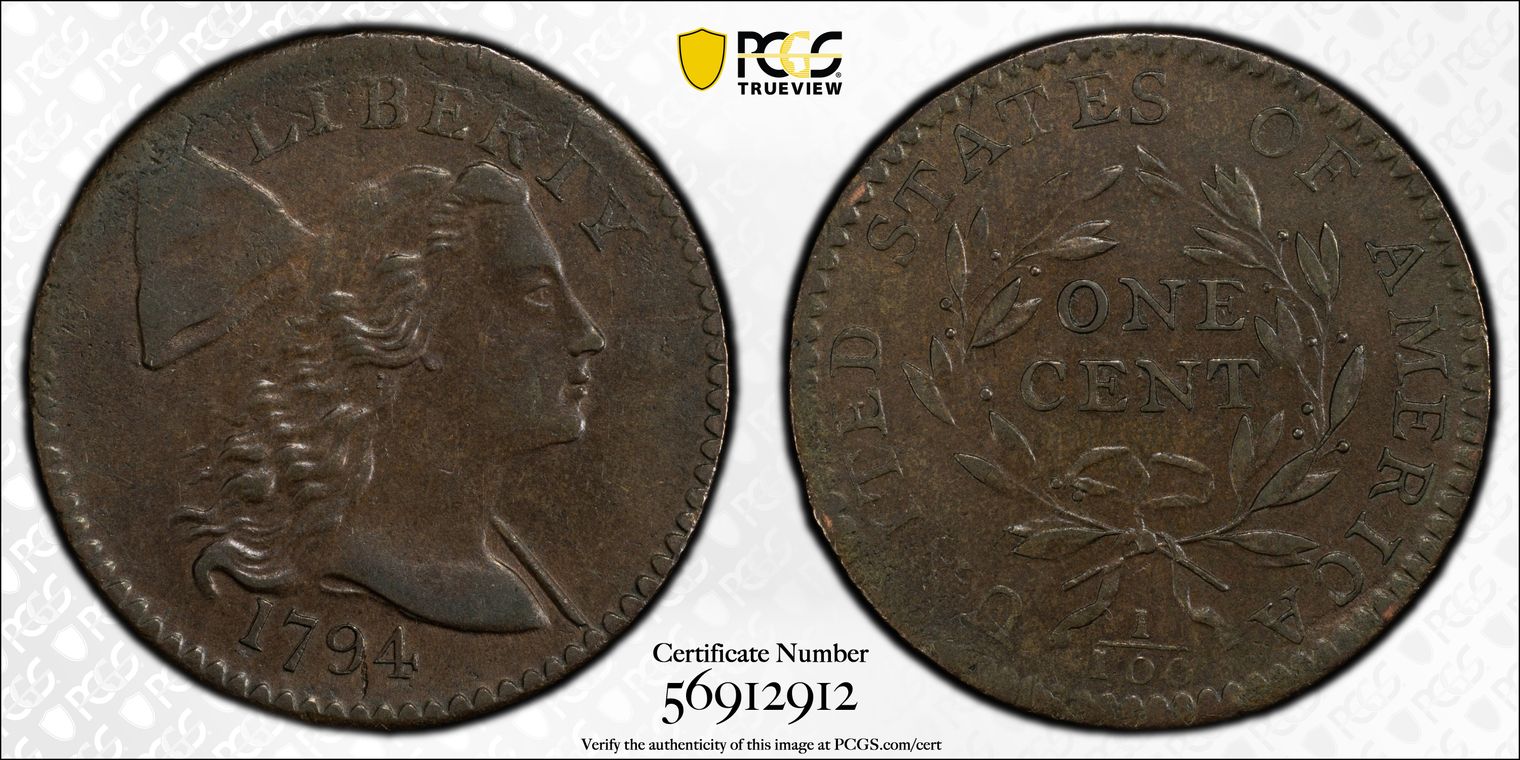
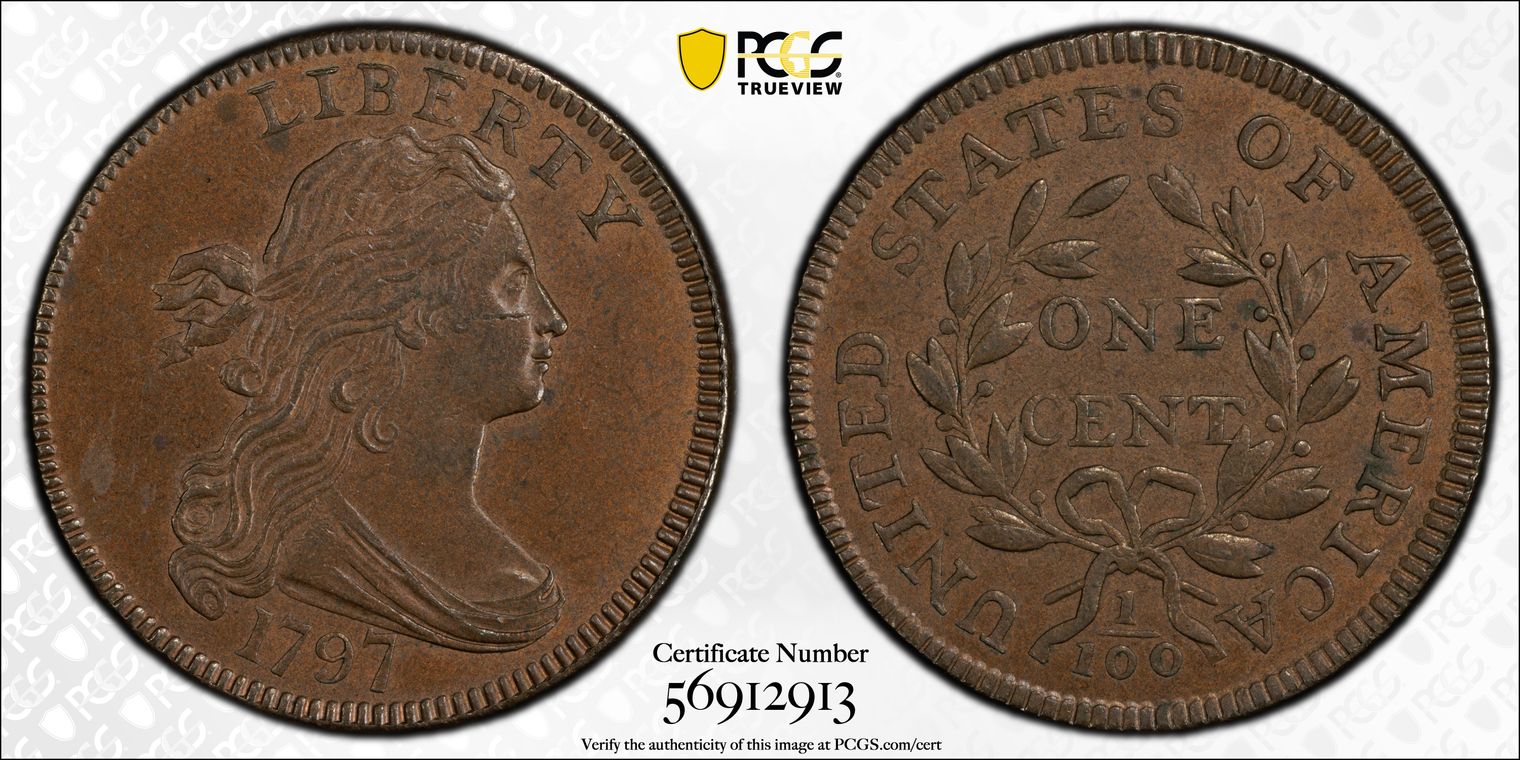
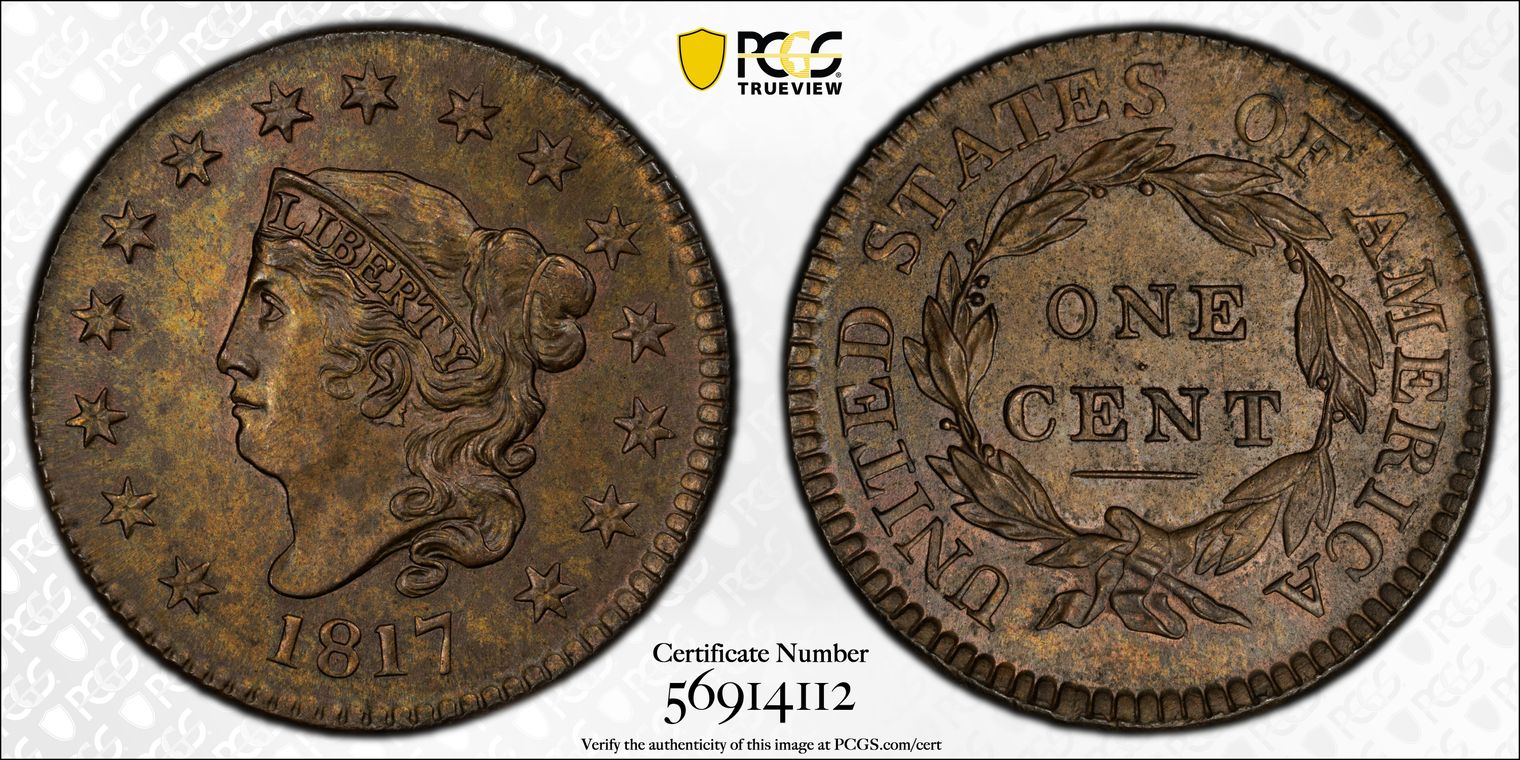
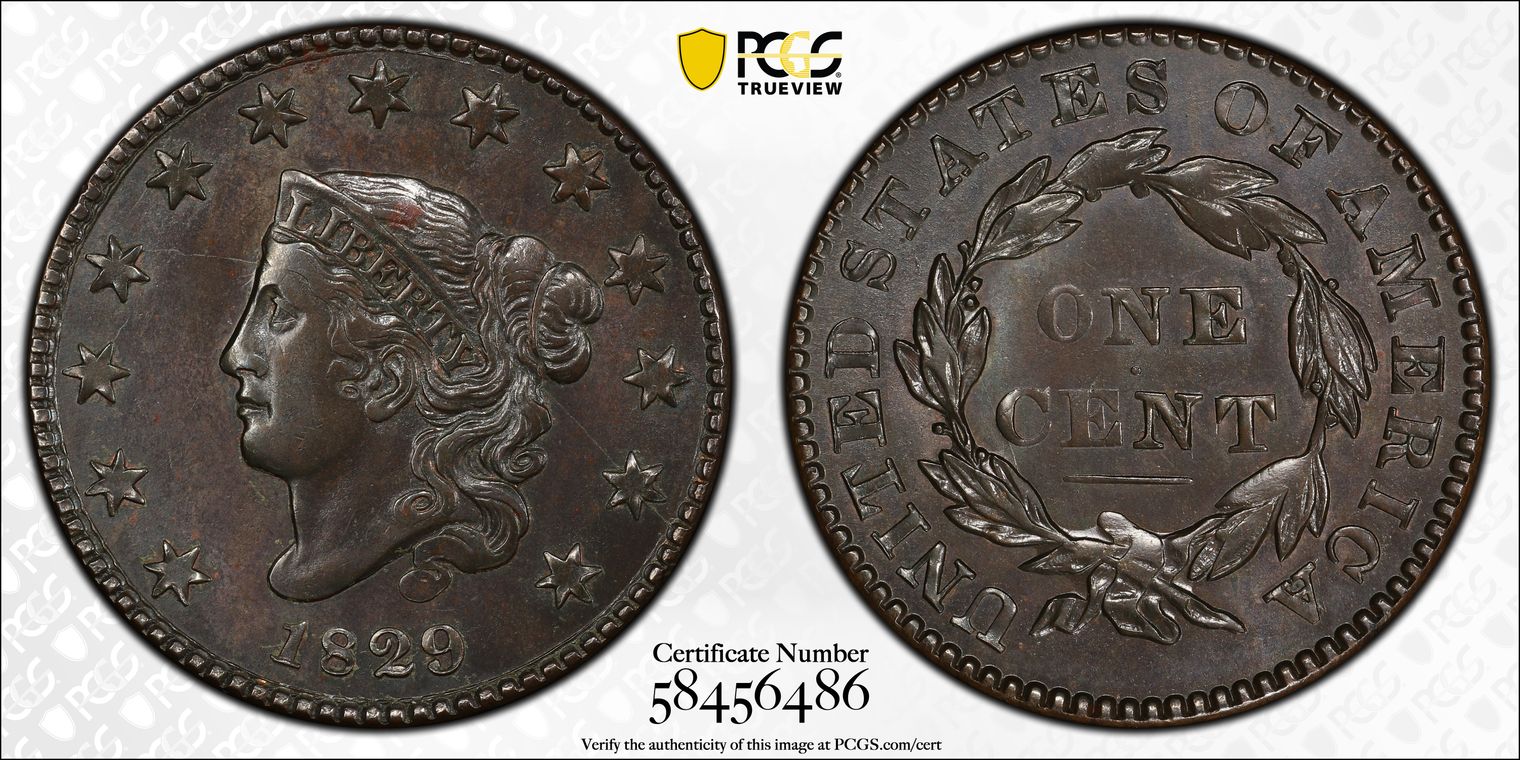
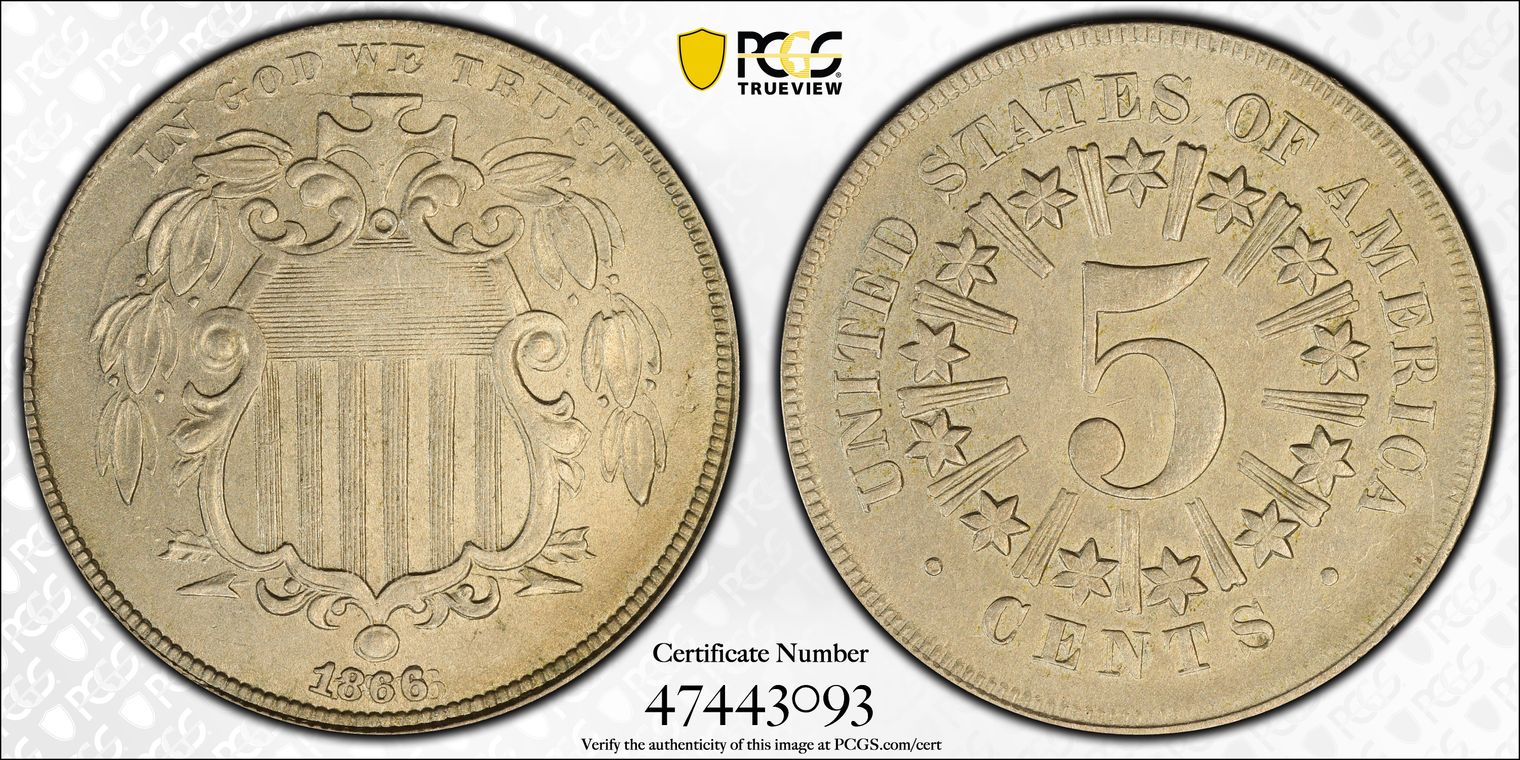
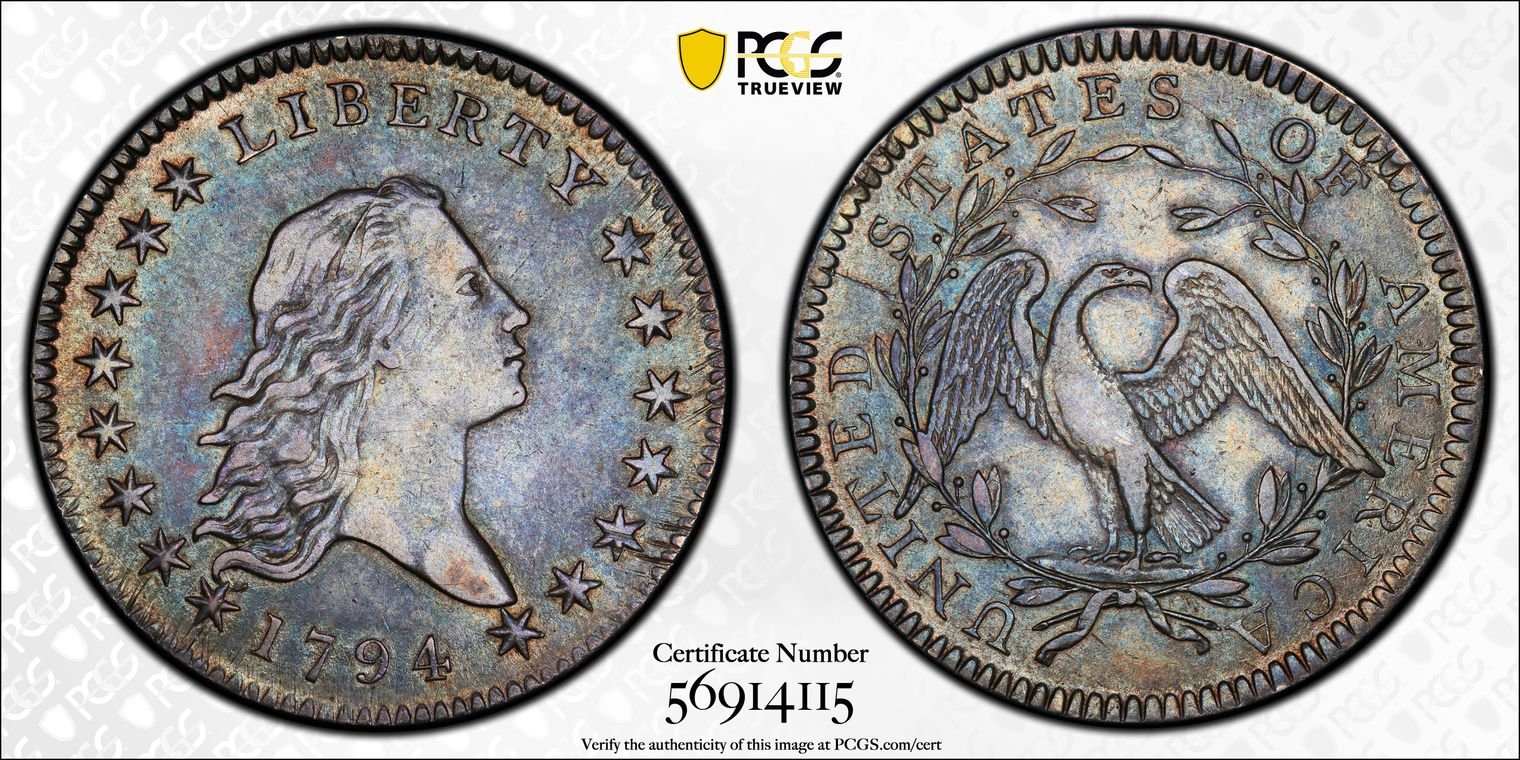
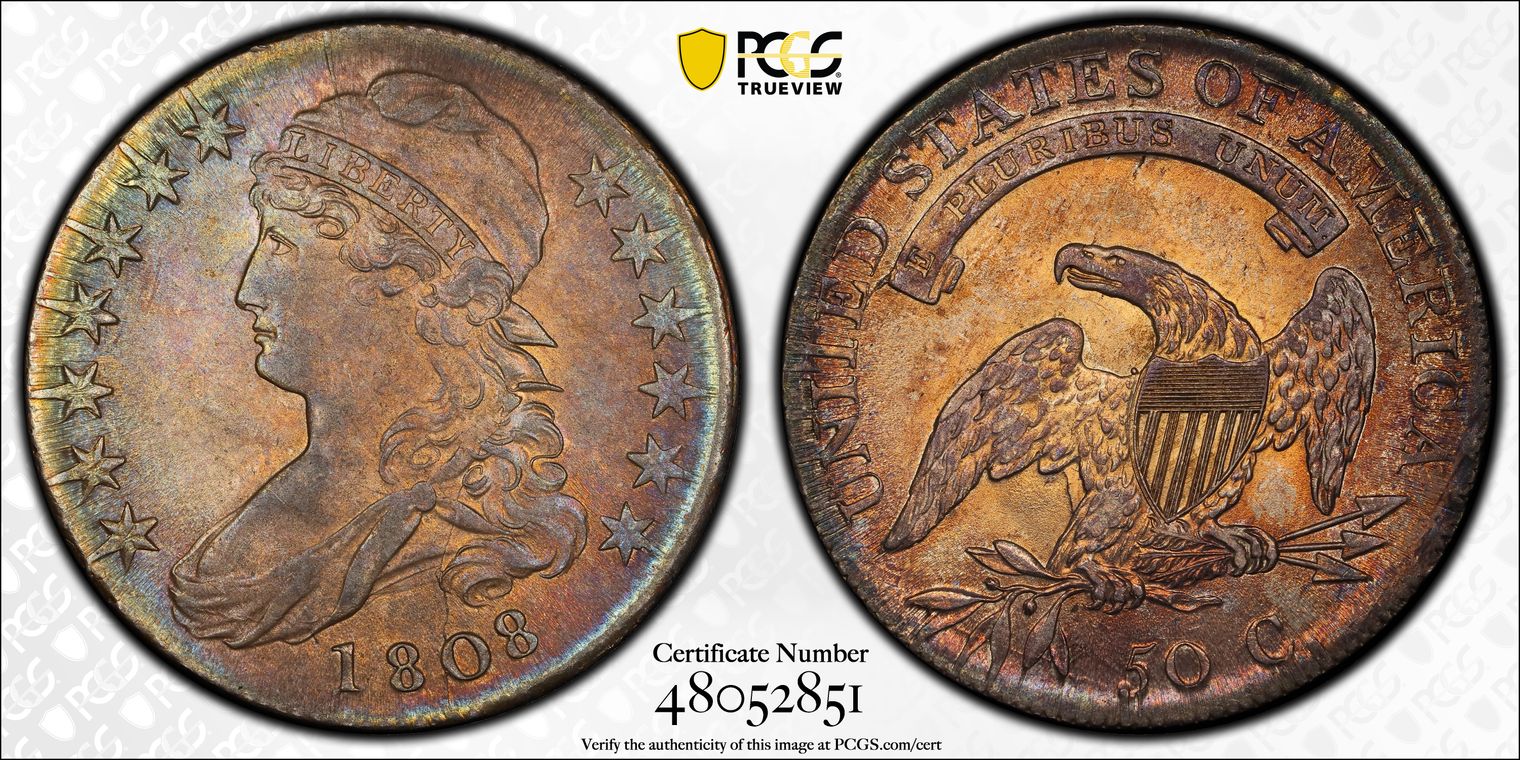
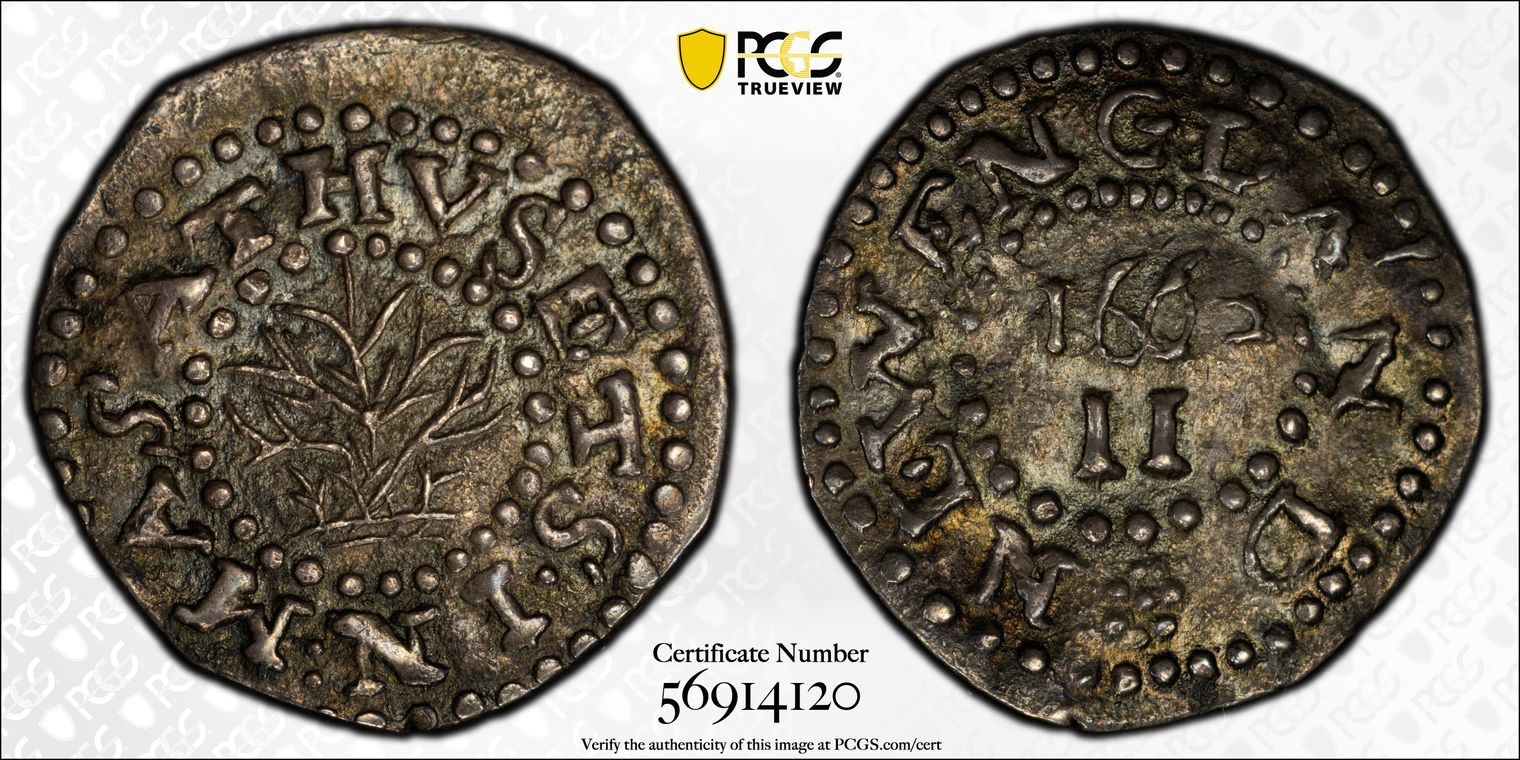
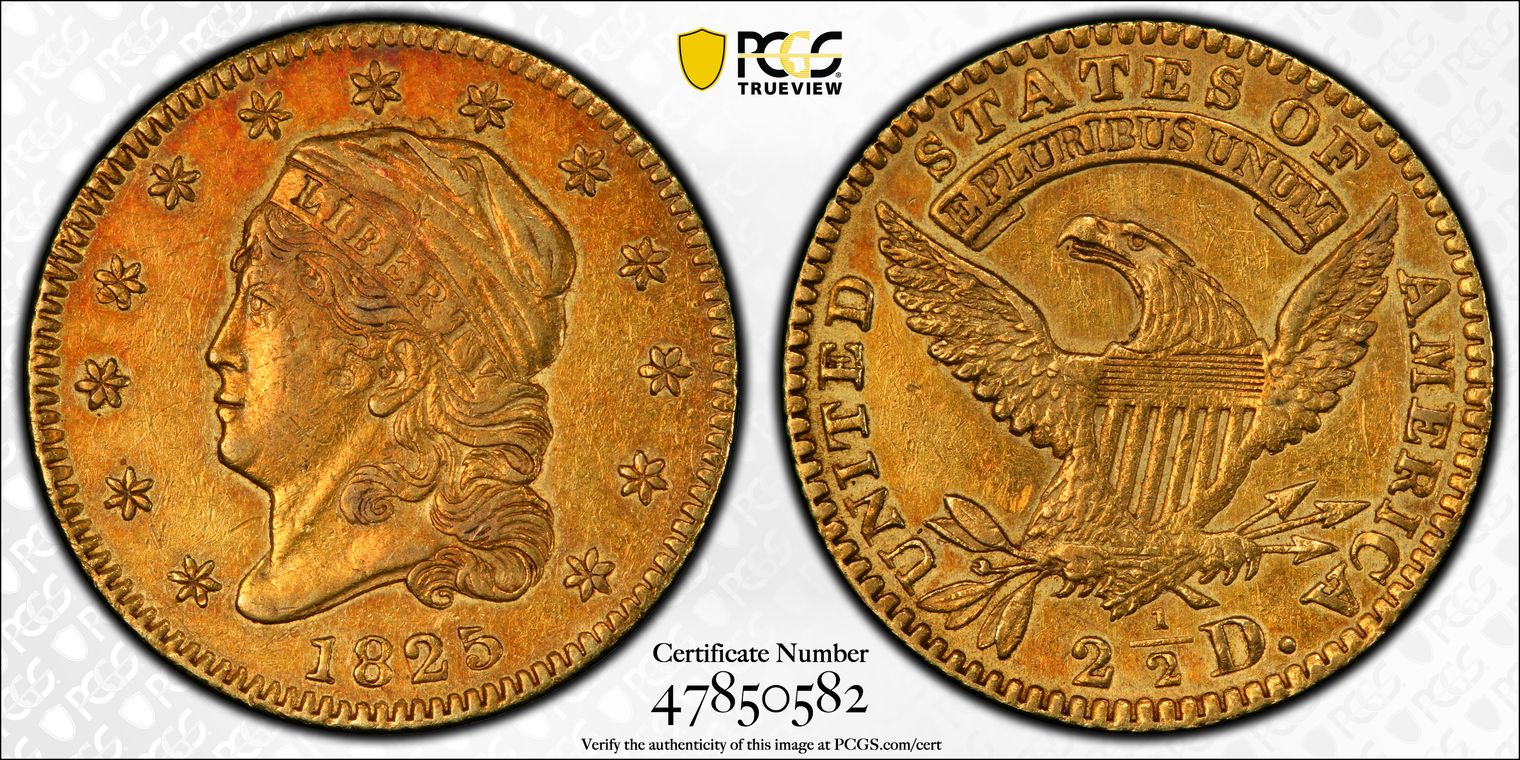
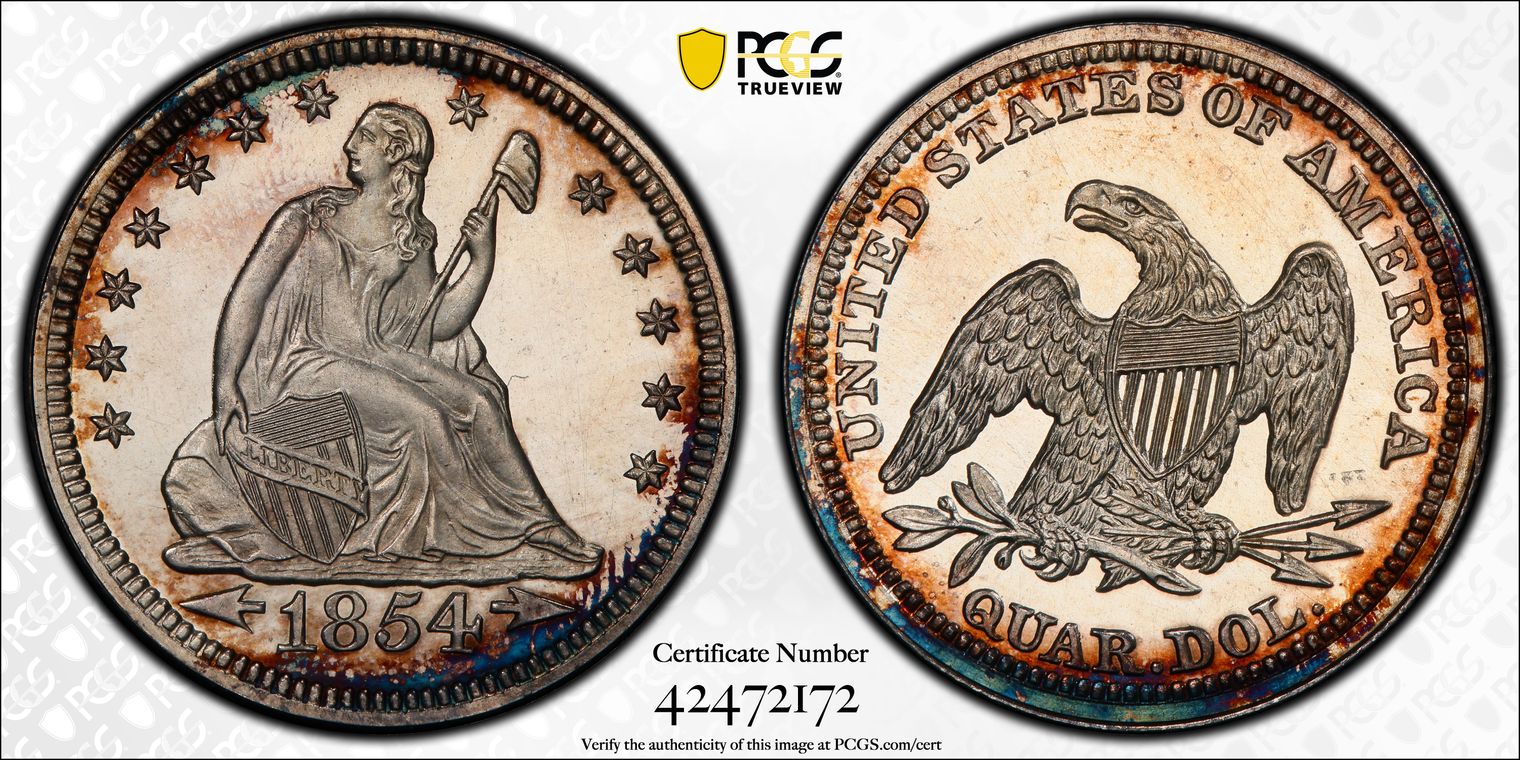
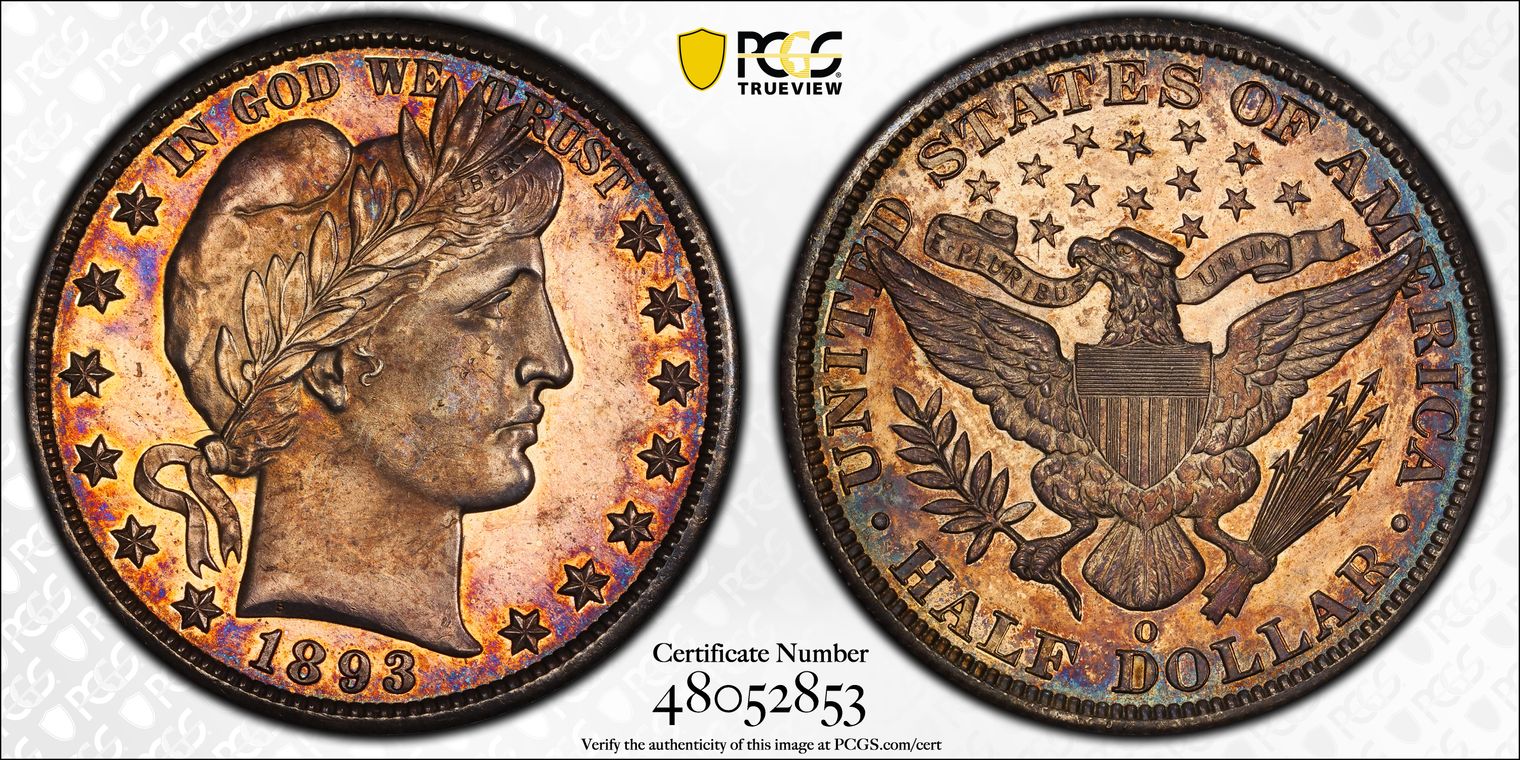
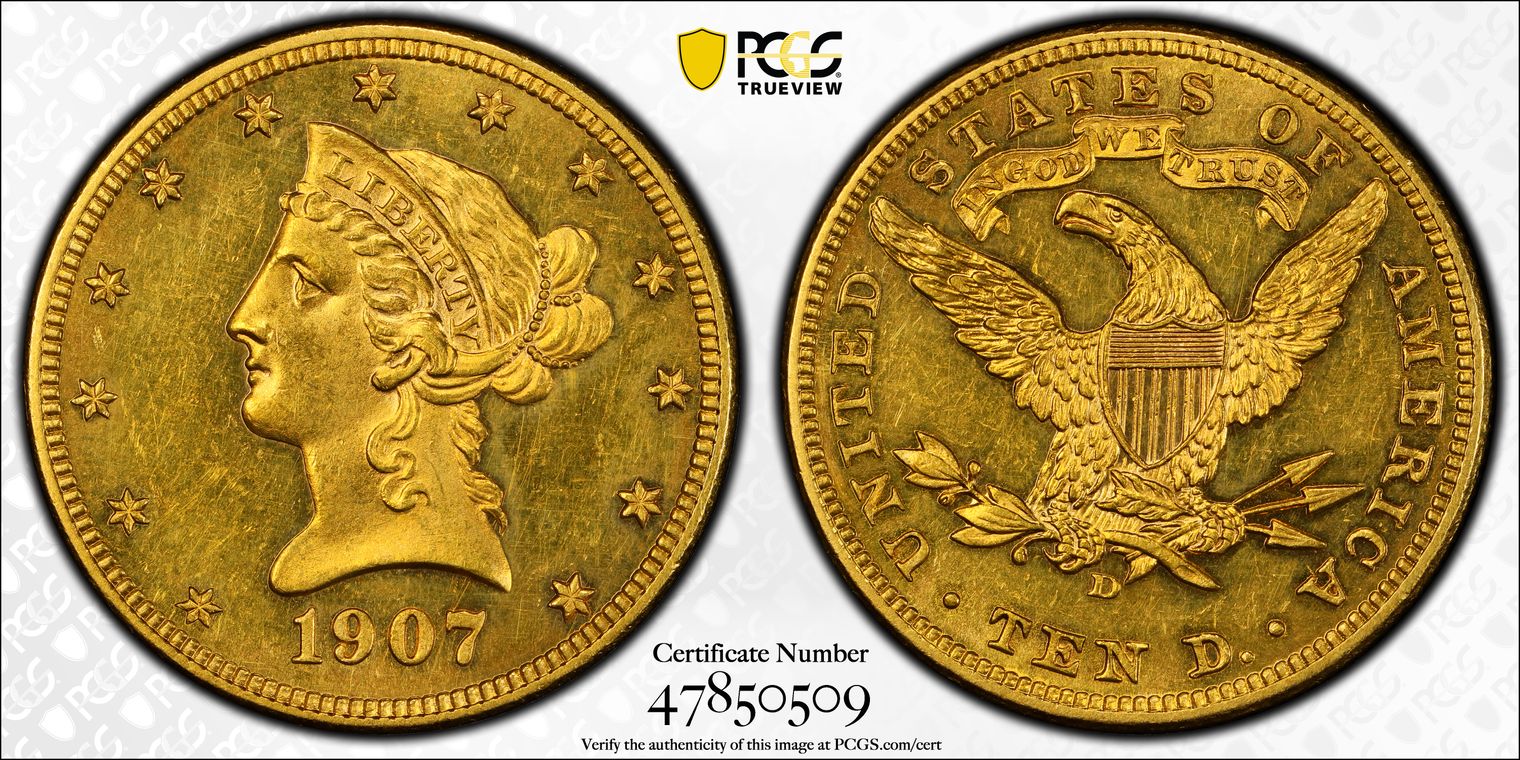
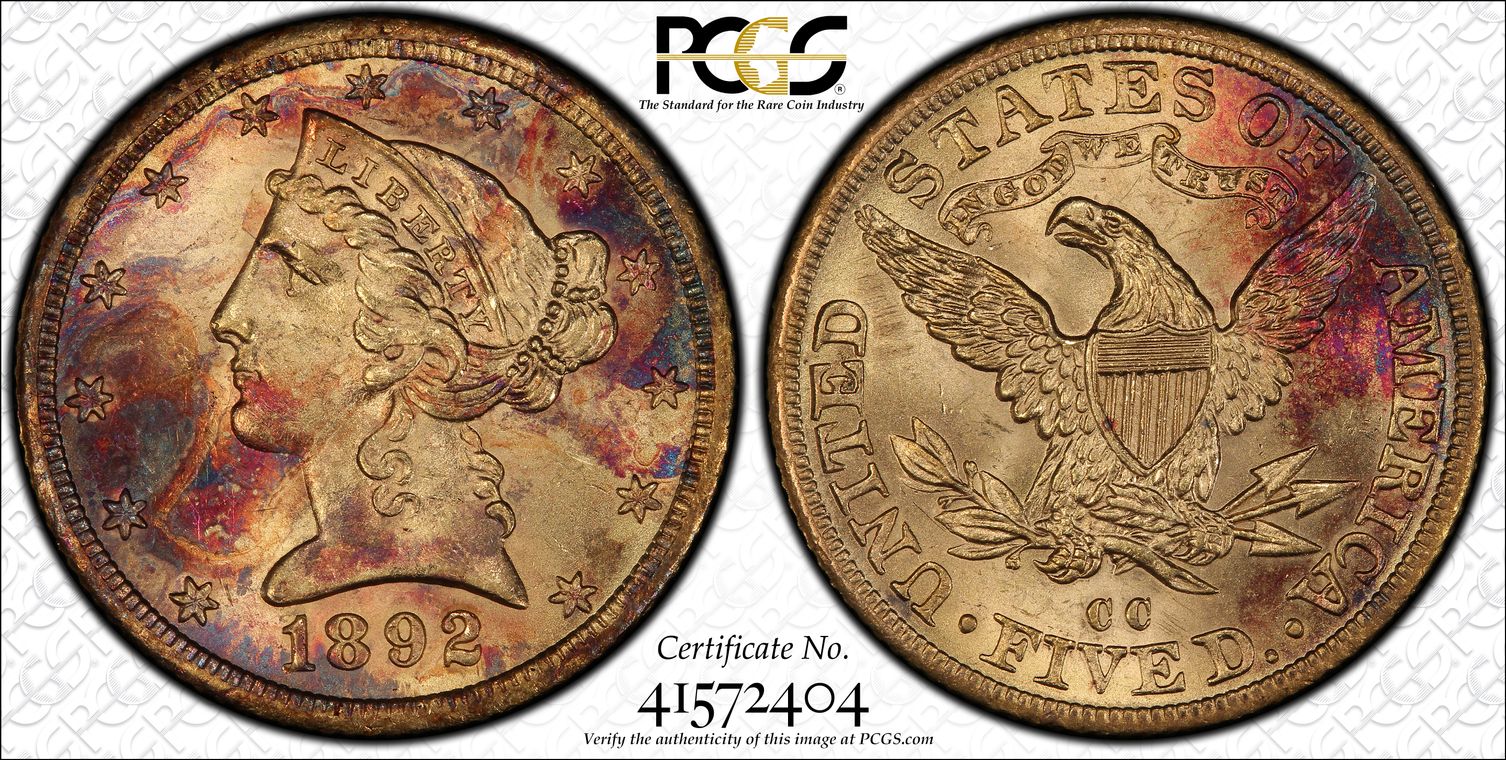
The only dramatic toner in the Saddle Ridge Hoard, and one of only a handful of Carson City coins in the group. Exceptionally clean for the assigned grade and super cool...
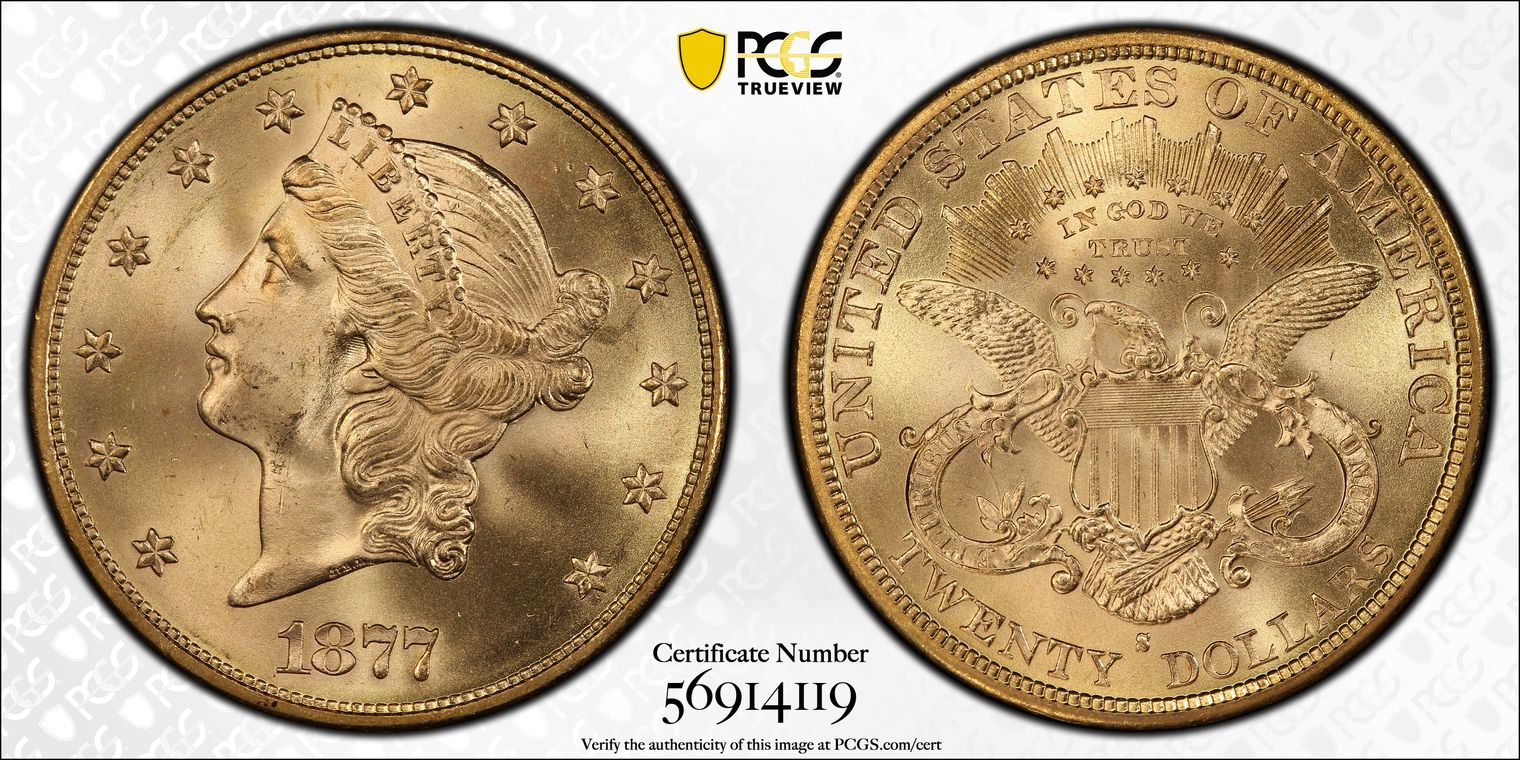
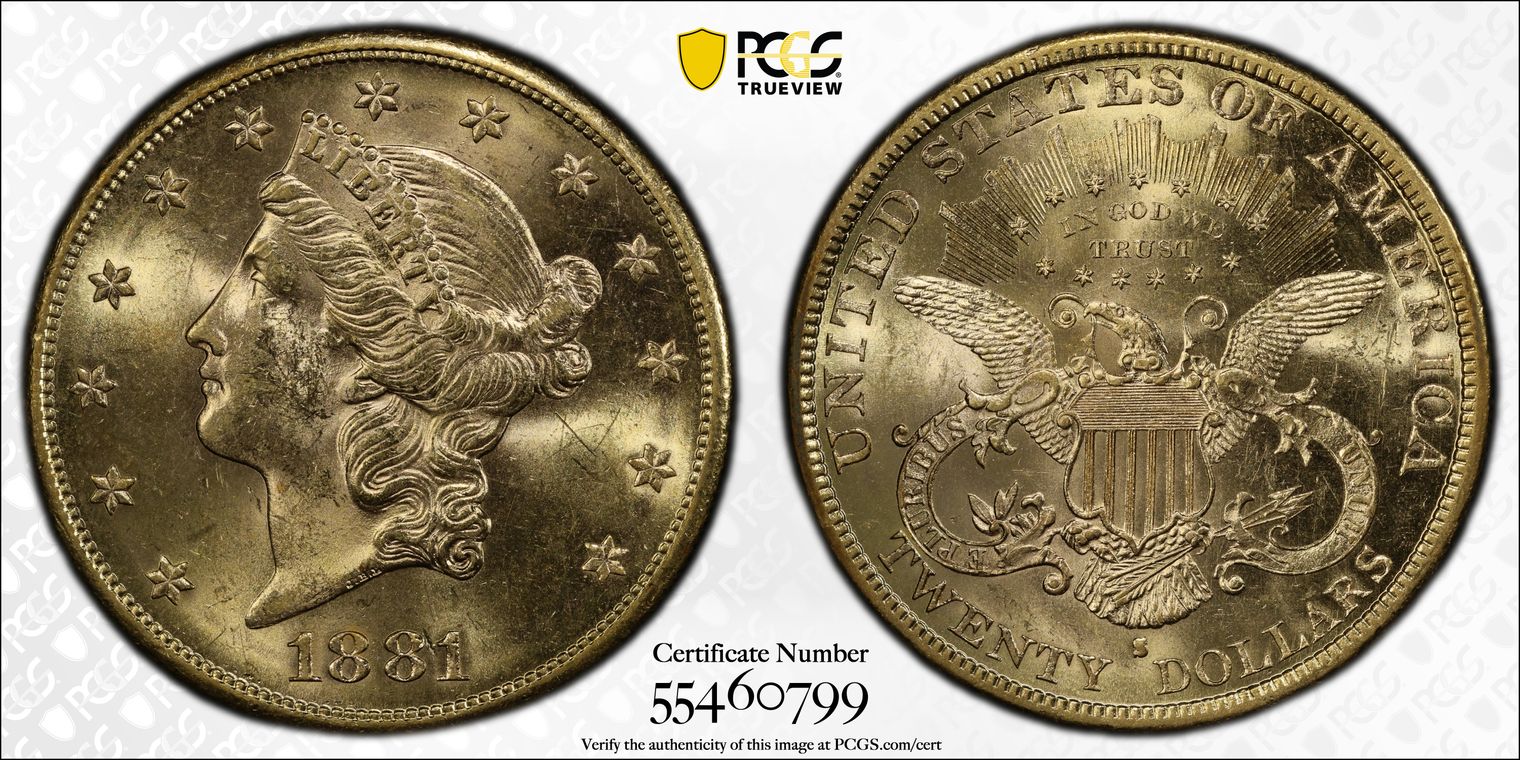
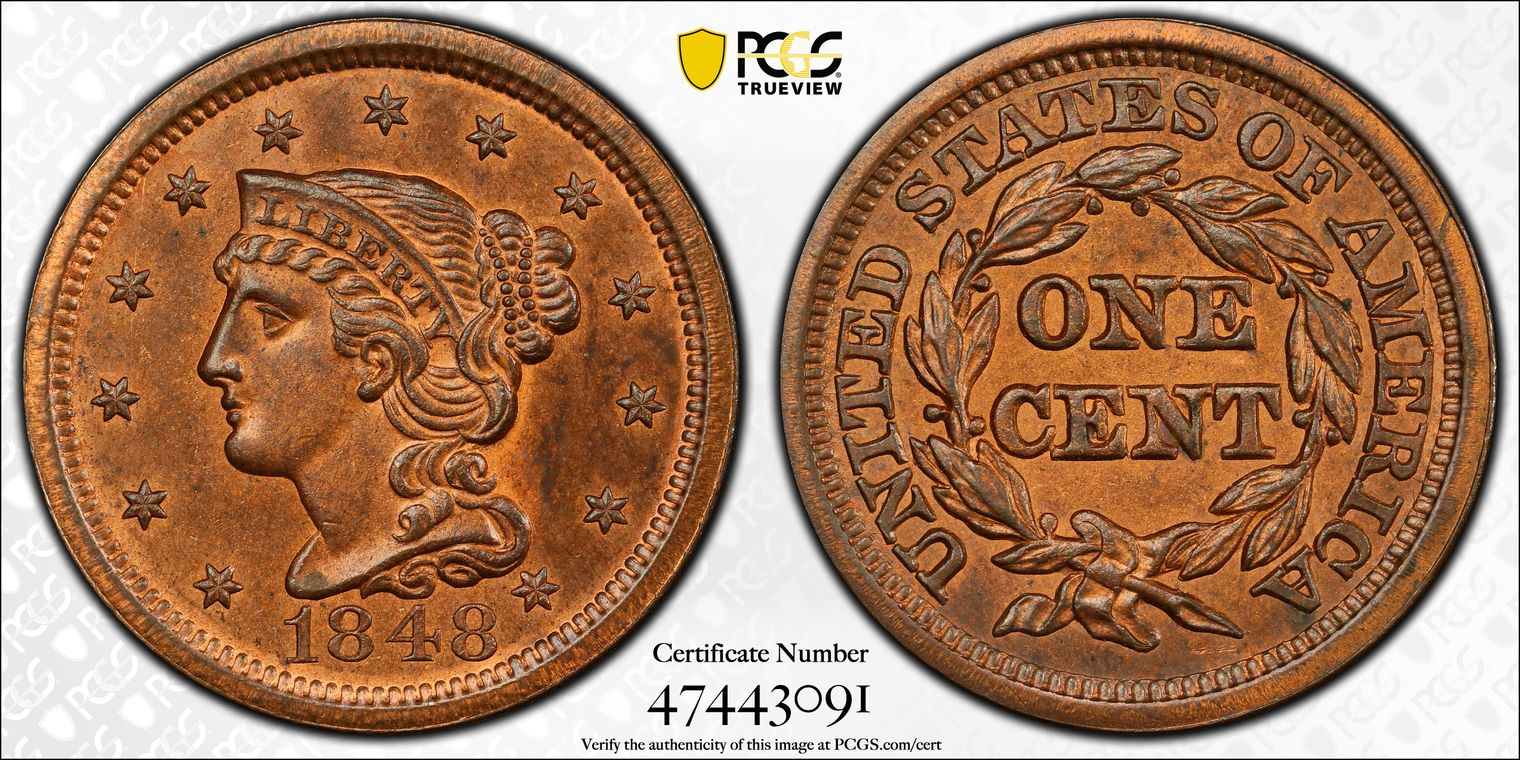
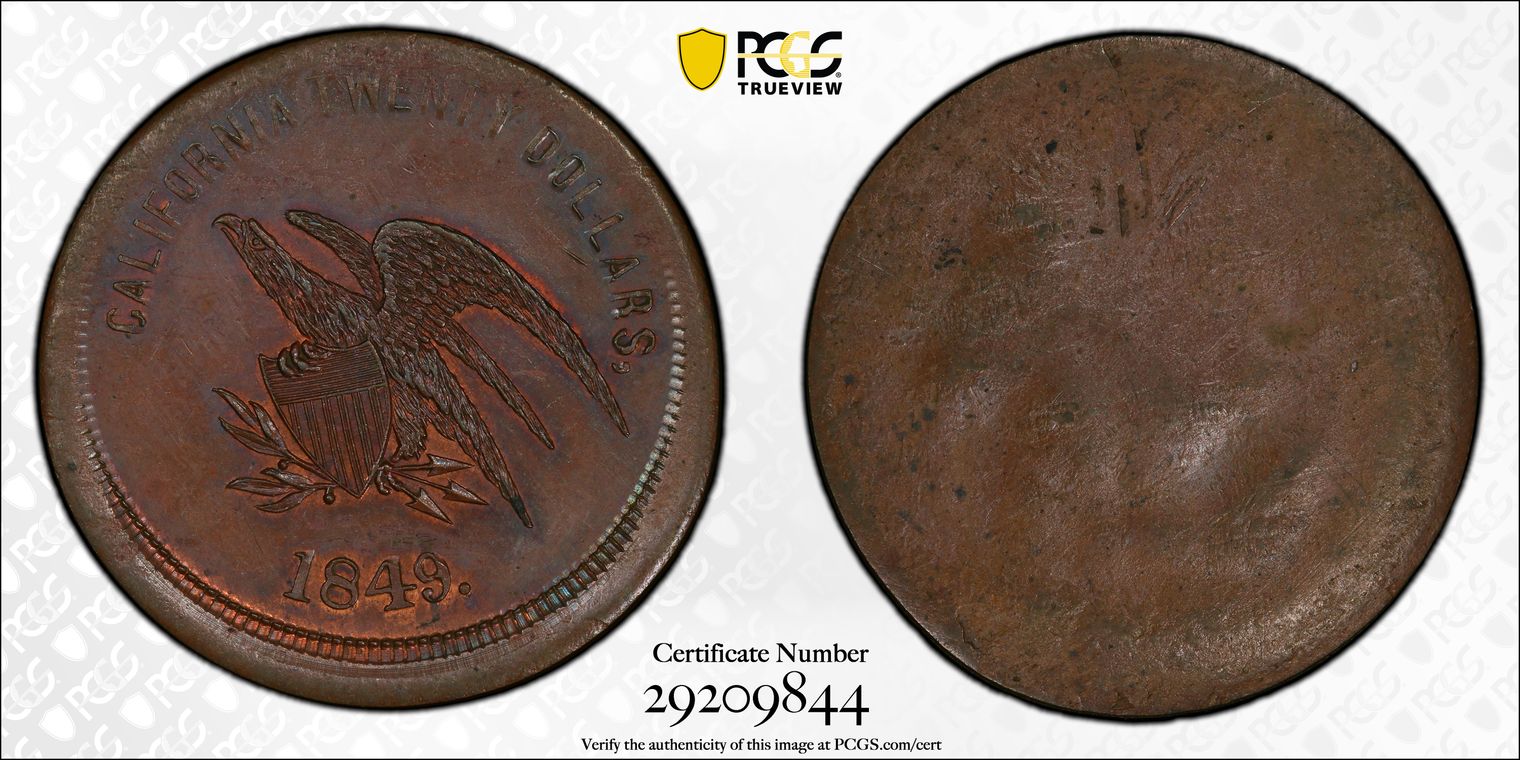
Unique. Cincinnati Mining & Trading Company is one of the great rarities of the entire Pioneer Gold series, with only THREE examples in private hands of any of the gold issues. The present example is unique as a uniface reverse die trial, and the finest of the three known $20 patterns. Essentially as made, with hints of red and copious die polish.
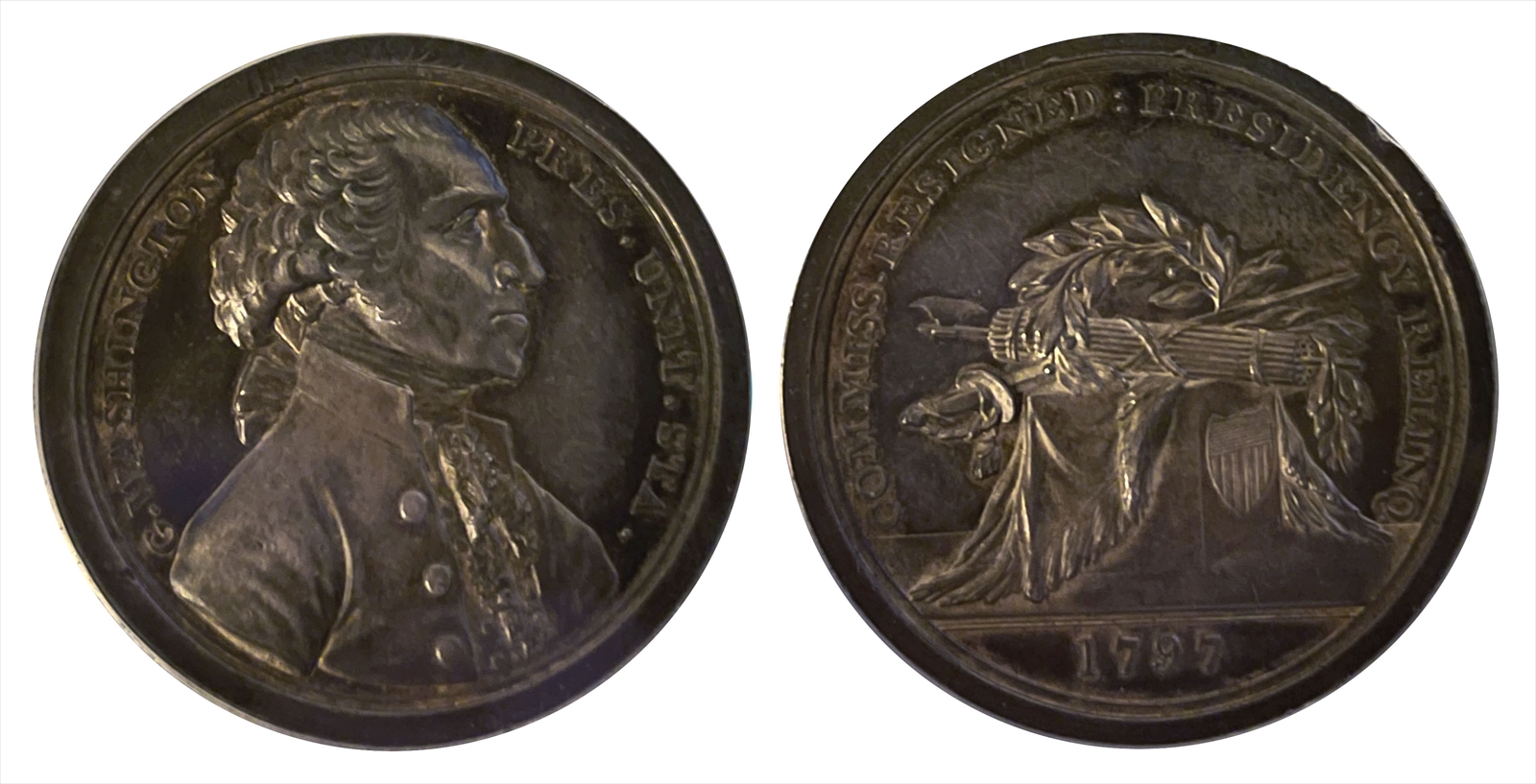
Struck in early 1807, but dated 1797. Only a handful of original silver specimens remain of this important medal struck at the early U.S. Mint for jeweler Joseph Sansom. An example of this medal was presented to Thomas Jefferson, prompting him to press the mint to hire its engraver, John Reich, who would go on to design the Classic Head and Capped Bust coinage.
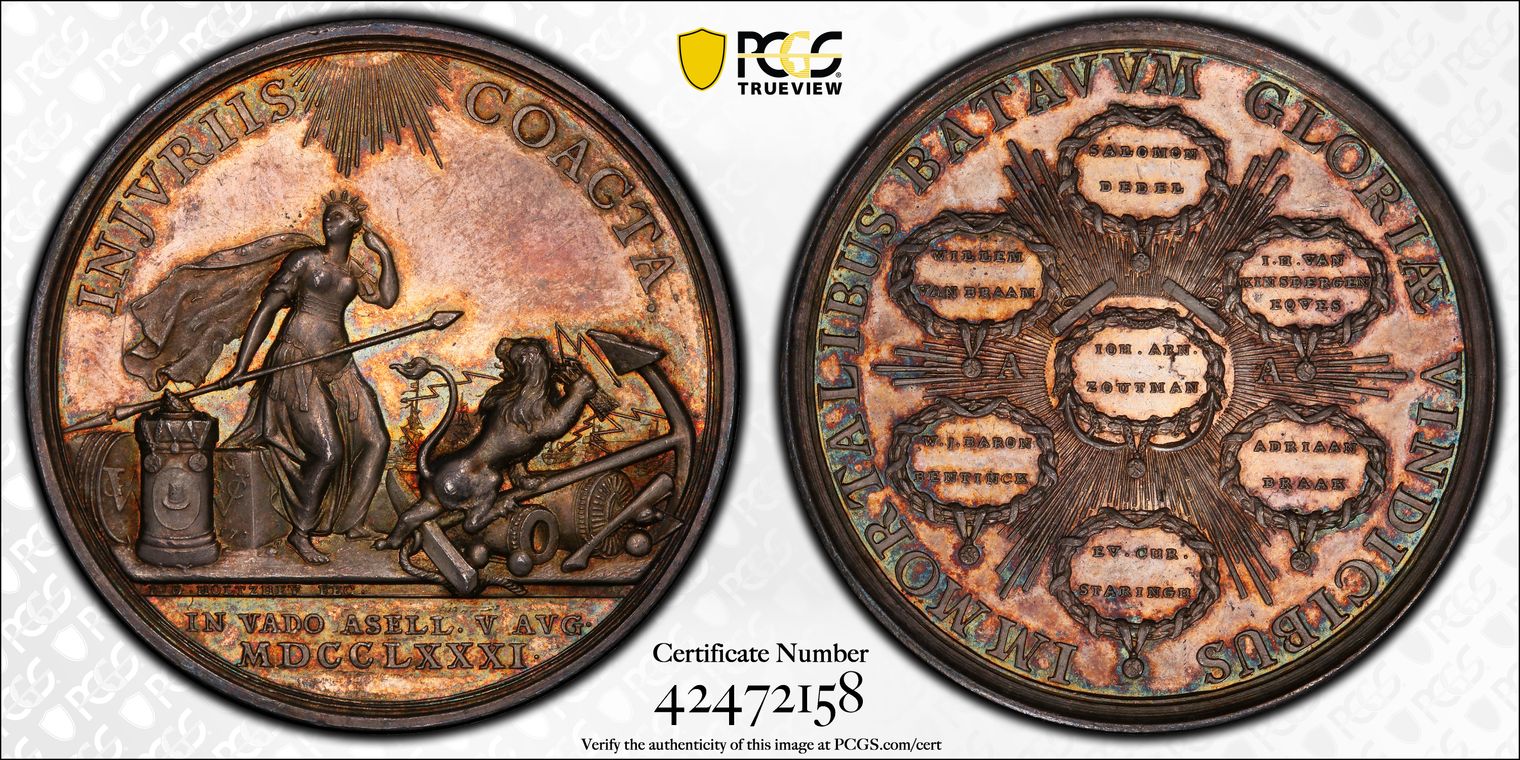
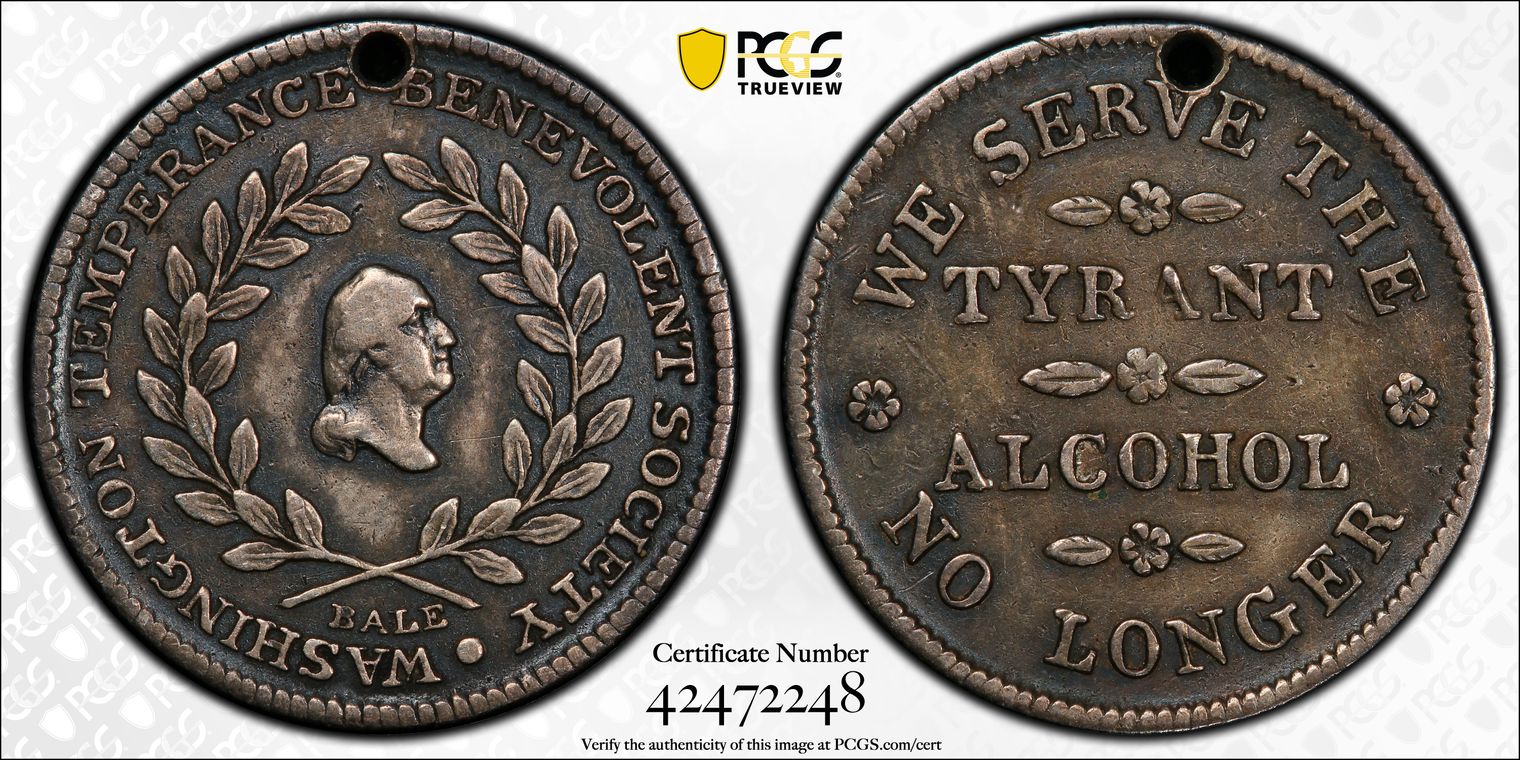

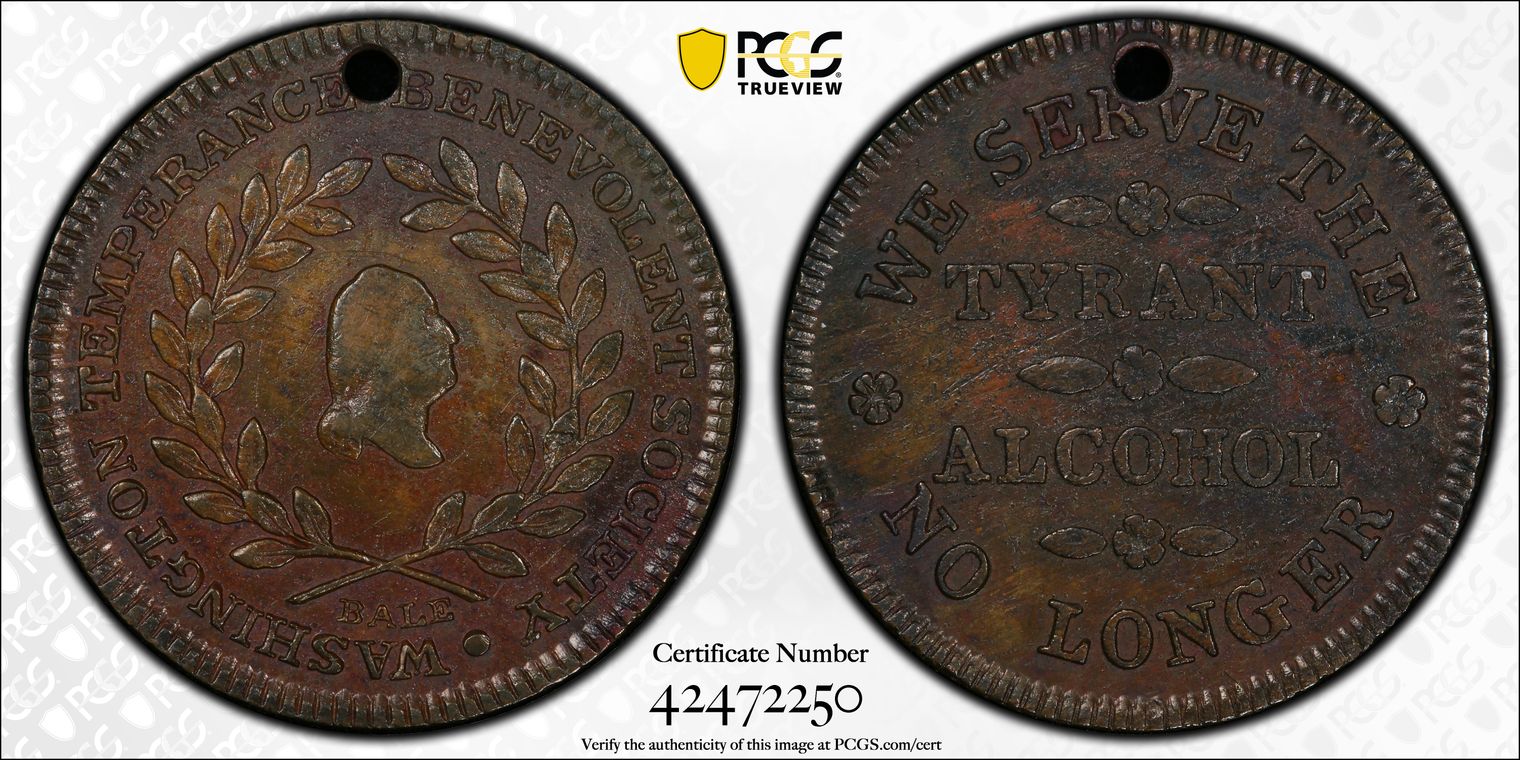
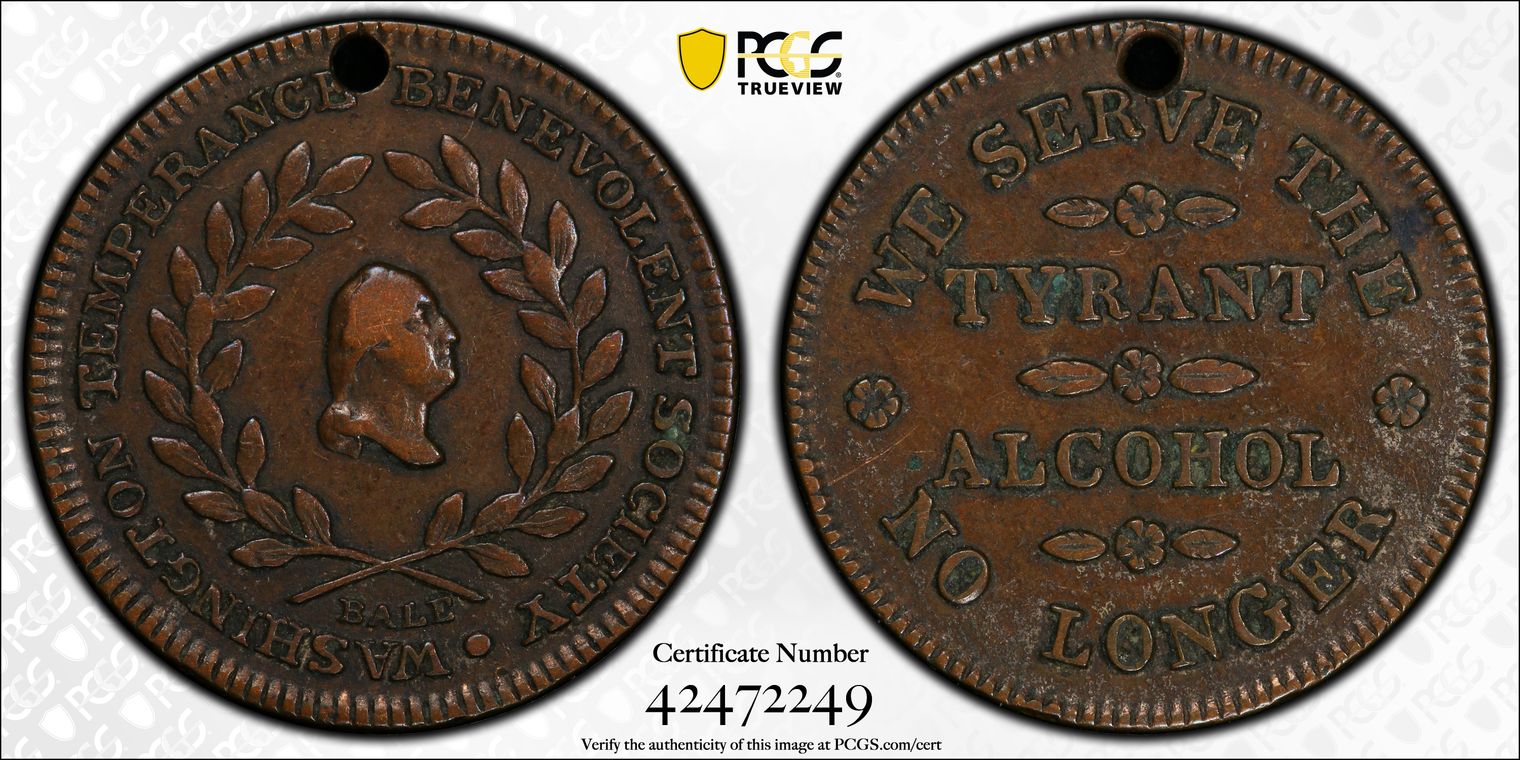
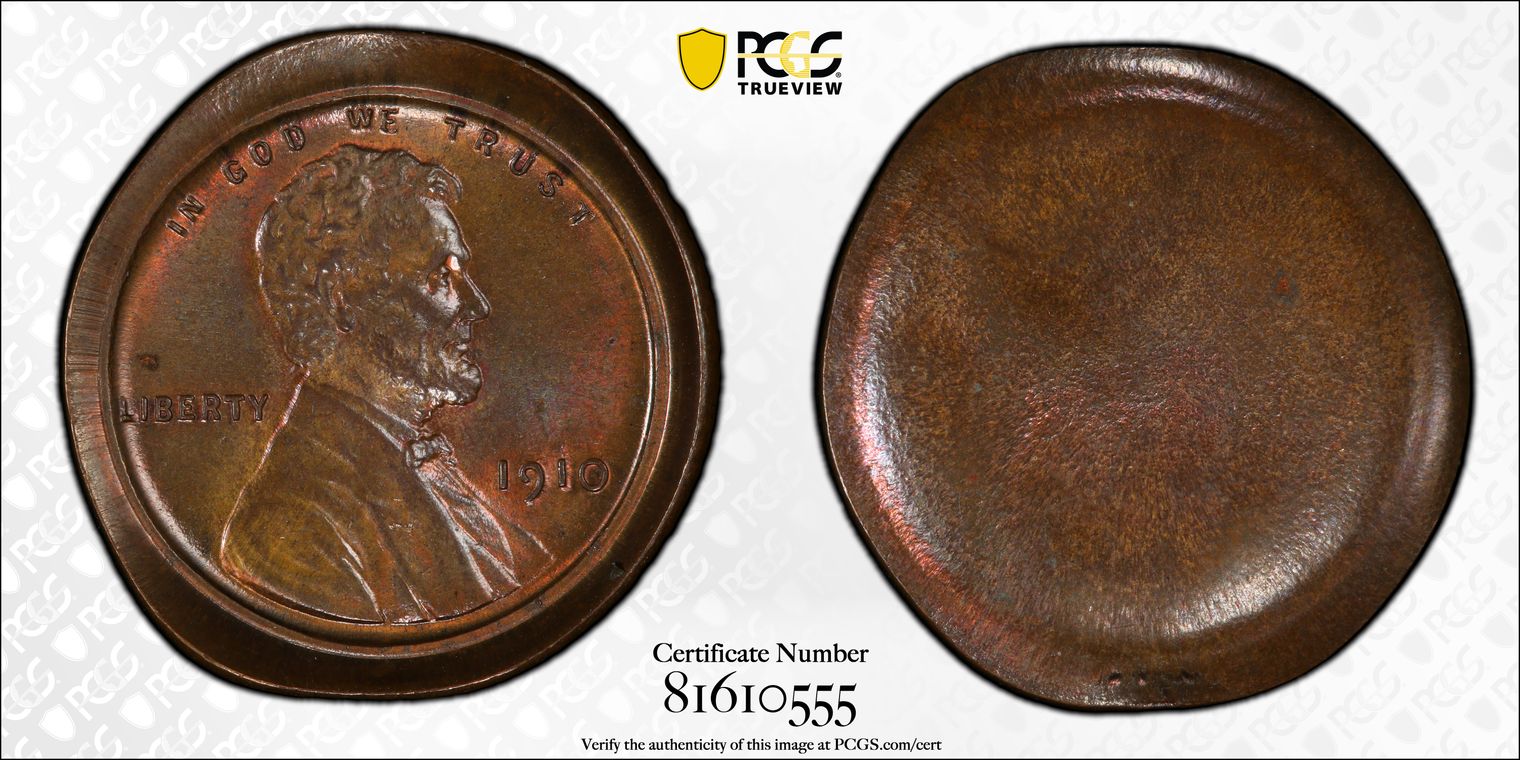
Unique. A uniface Lincoln Cent die trial from 1910. One of very few Lincoln Cent patterns available to collectors.
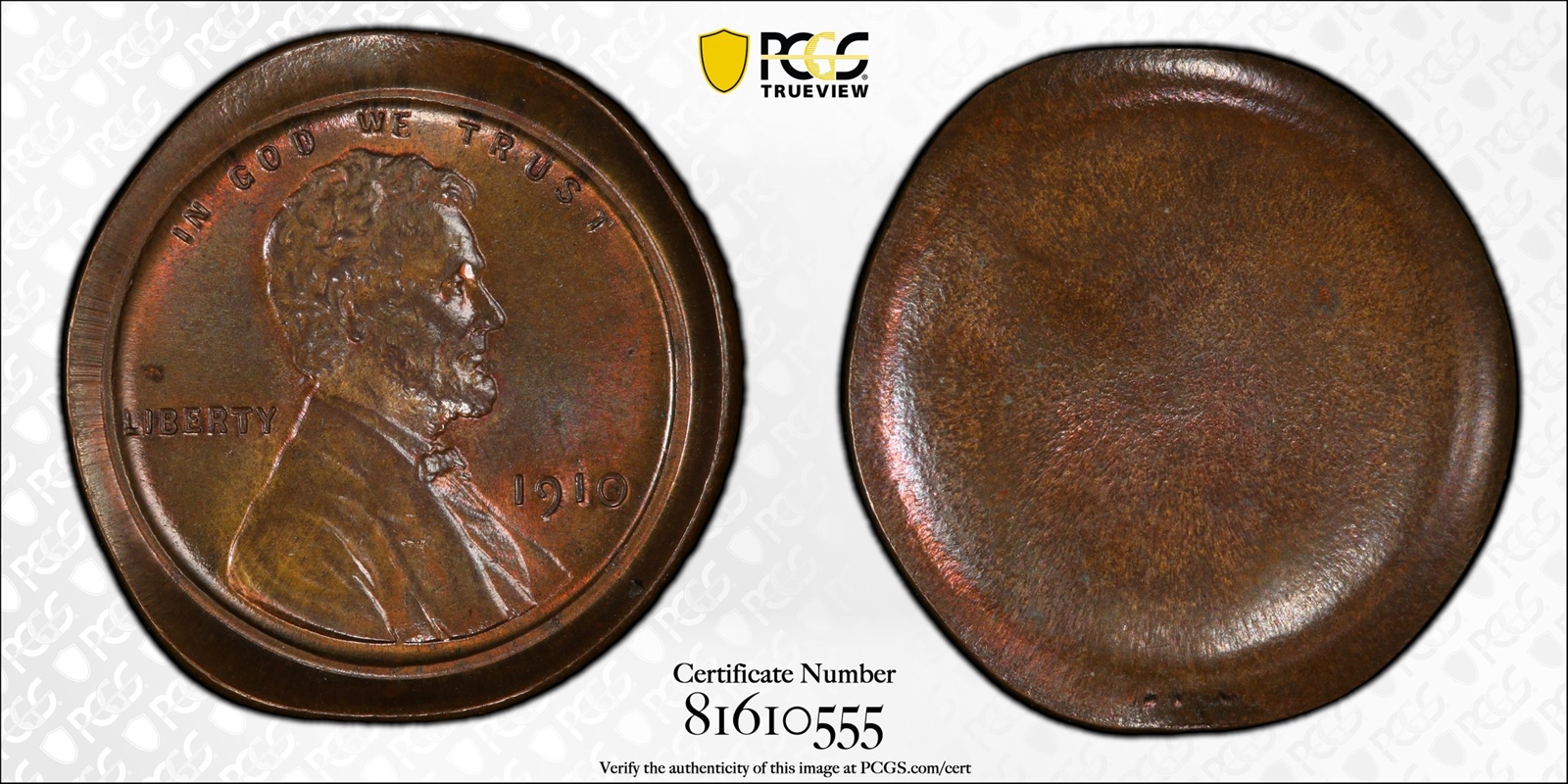
Unique. A uniface Lincoln Cent die trial from 1910. One of very few Lincoln Cent patterns available to collectors.
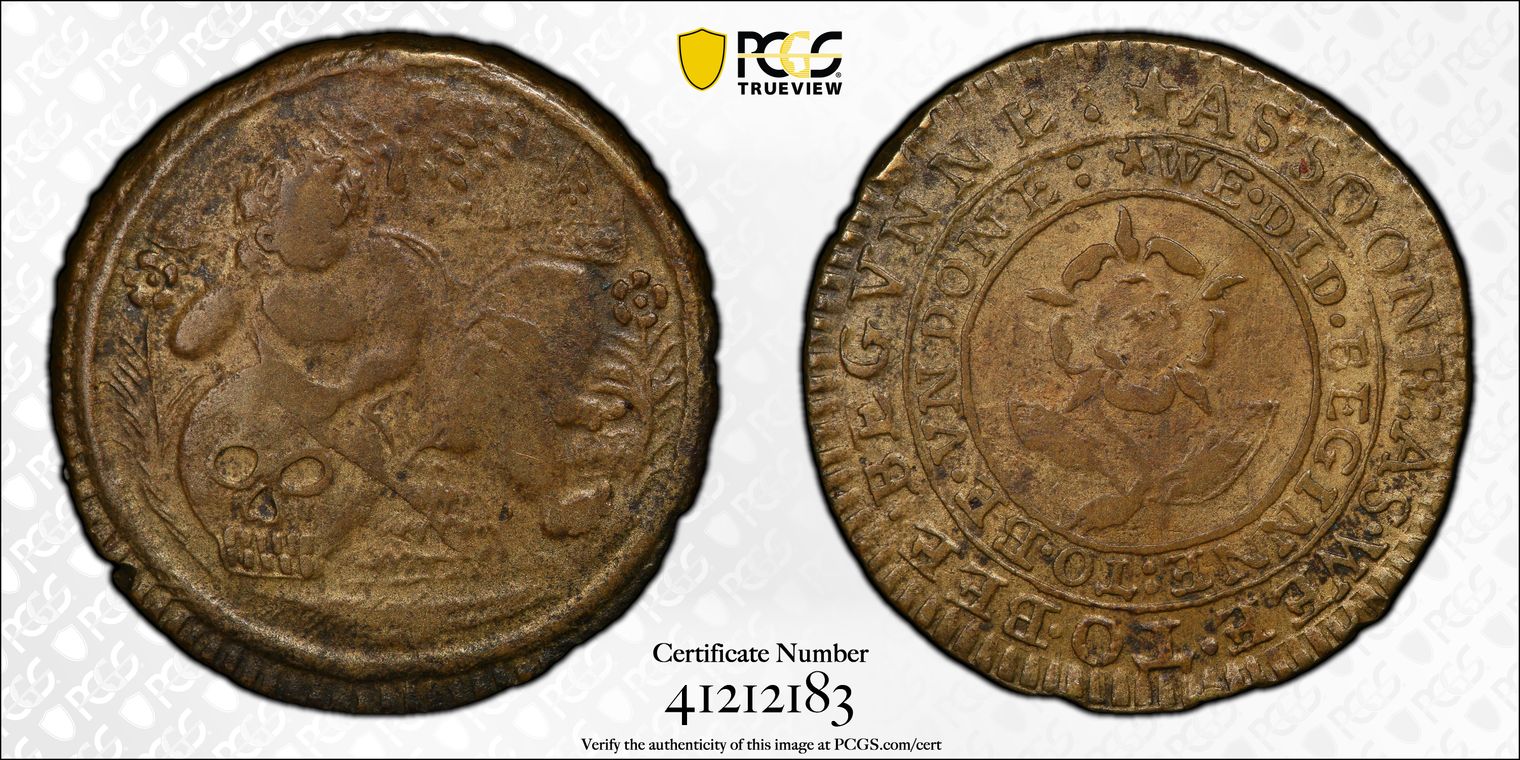
(c. 1584) The single finest Raleigh Plantations Token of either variety, boasting fresh, uncorroded surfaces, and a much better strike than is usually found on one of these. The design is one of my favorites, with a putti reclining on a stylized human skull, and bears a great legend: AS SOONE AS WEE TO BEE BEGVNNE, WE DID BEGINNE TO BE VNDONE. Enjoy the anomalous Elizabethan spelling...

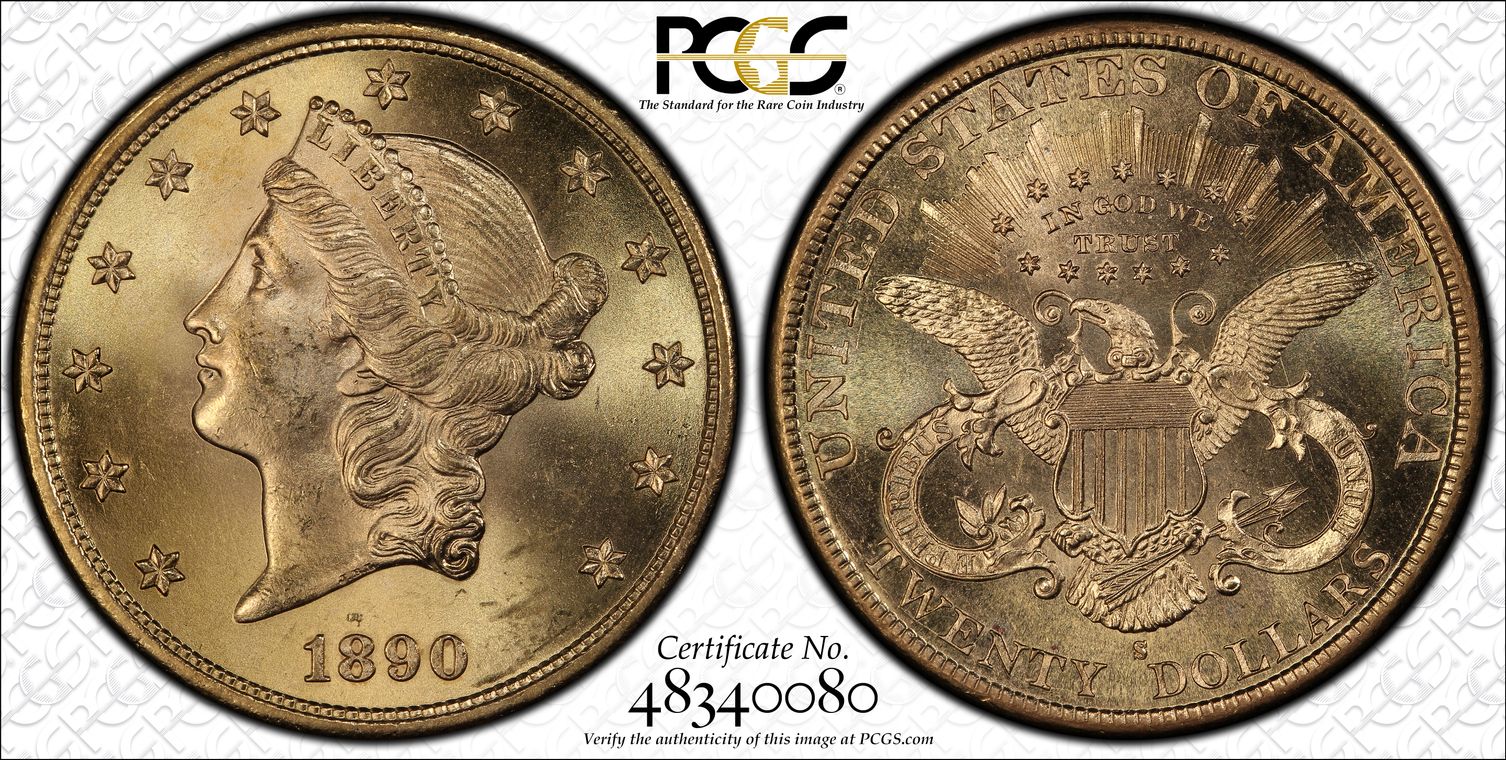
The only fully prooflike coin in the entire Saddle Ridge Hoard. Exceptionally well-struck and choice for the grade.
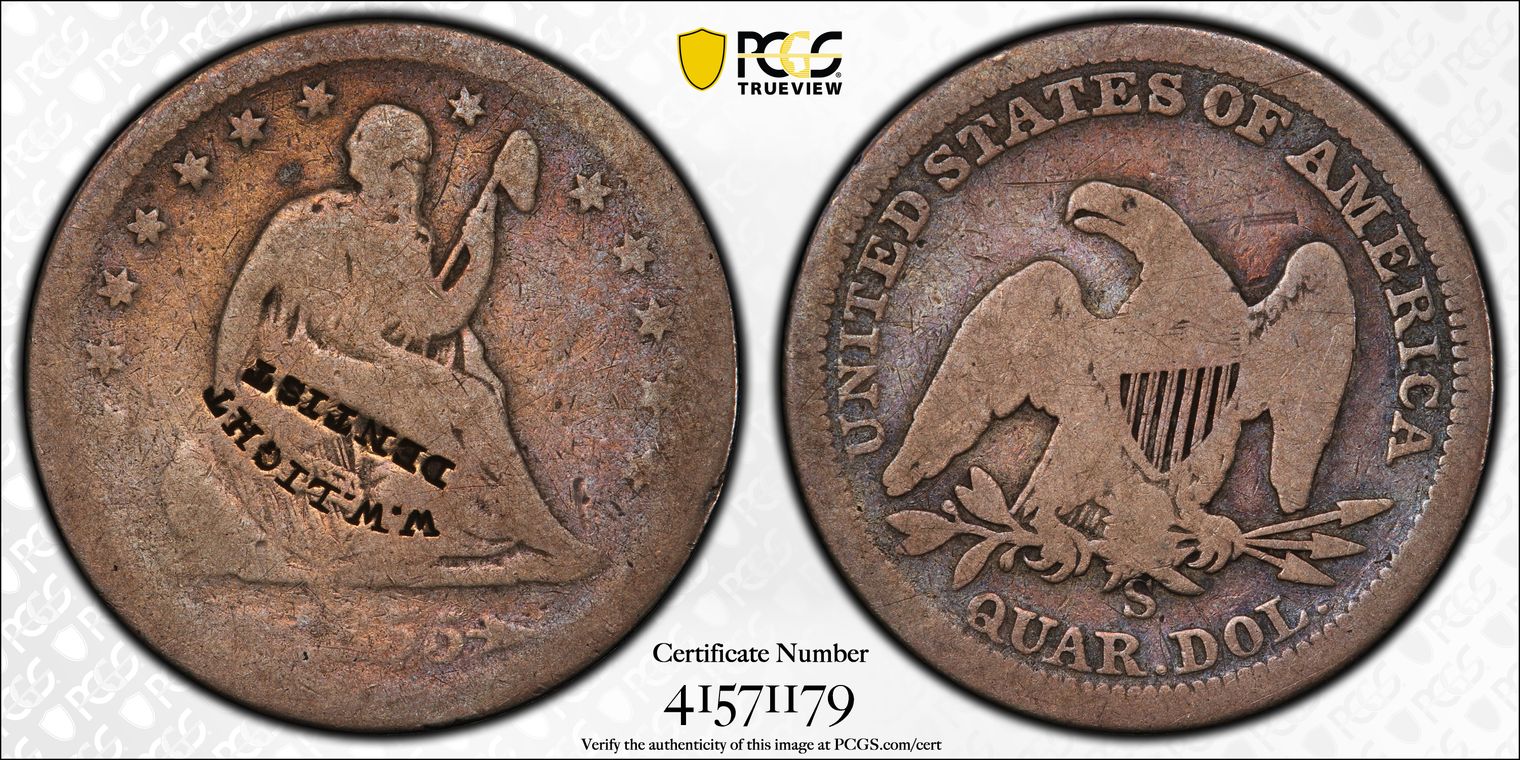
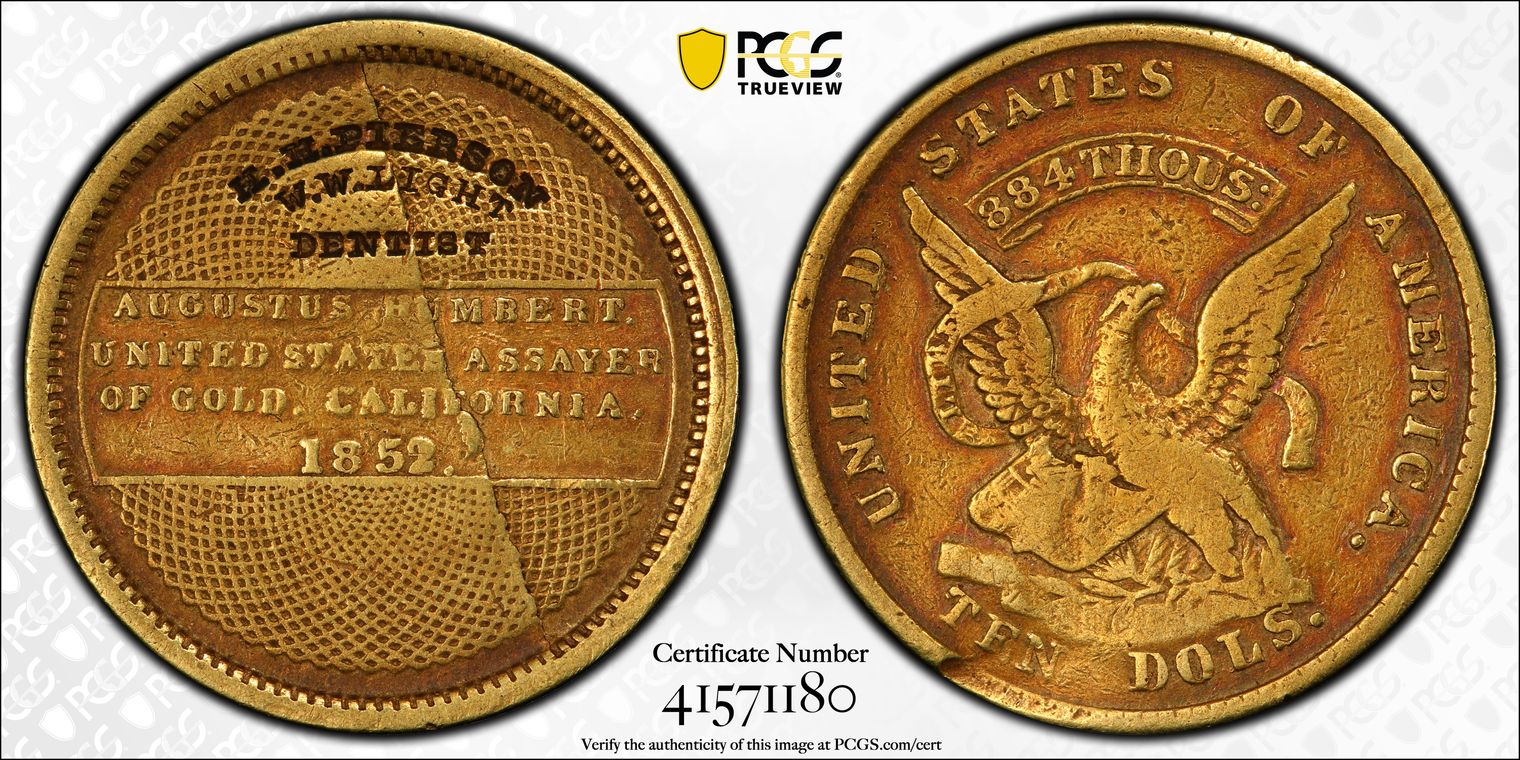
Unique. An 1852/1 Humbert $10 counterstamped by H.H. Pierson and W.W. Light in Sacramento during the California gold rush. W.W. Light was a dentist, who also engraved dies for J.S. Ormsby's private gold coinage.