



GE—COINS 的钱币相册

1898 5C PR67+ PCGS. CAC. Although uncontrasted, this near-flawless Superb Gem maintains flashy fields and showcases the expected degree of sharpness for a late-19th century proof. Both sides are completely brilliant. From a mintage of 1,795 coins. Population: 12 in 67 (2 in 67+), 0 finer in this category. CAC: 2 in 67, 0 finer (7/19)

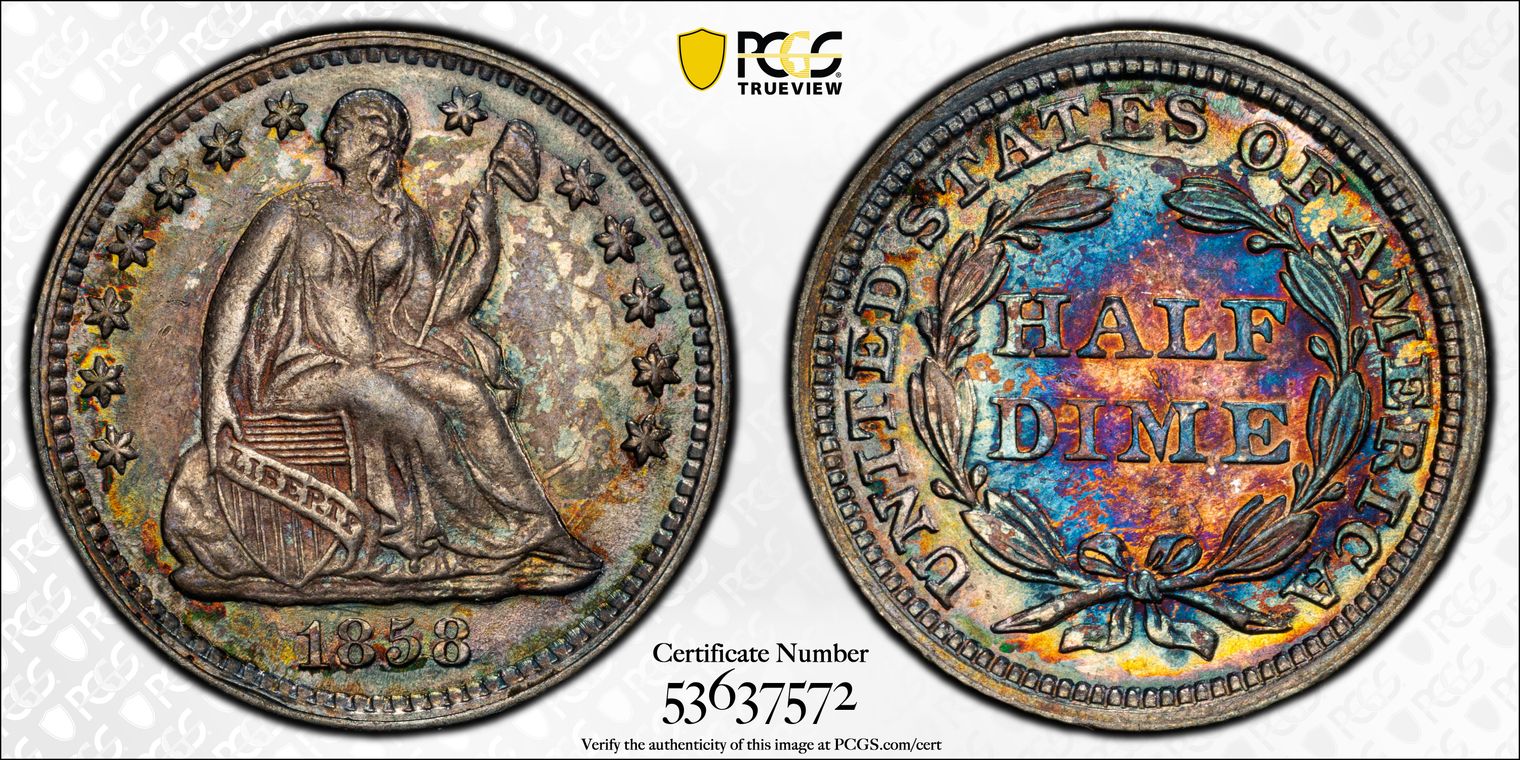
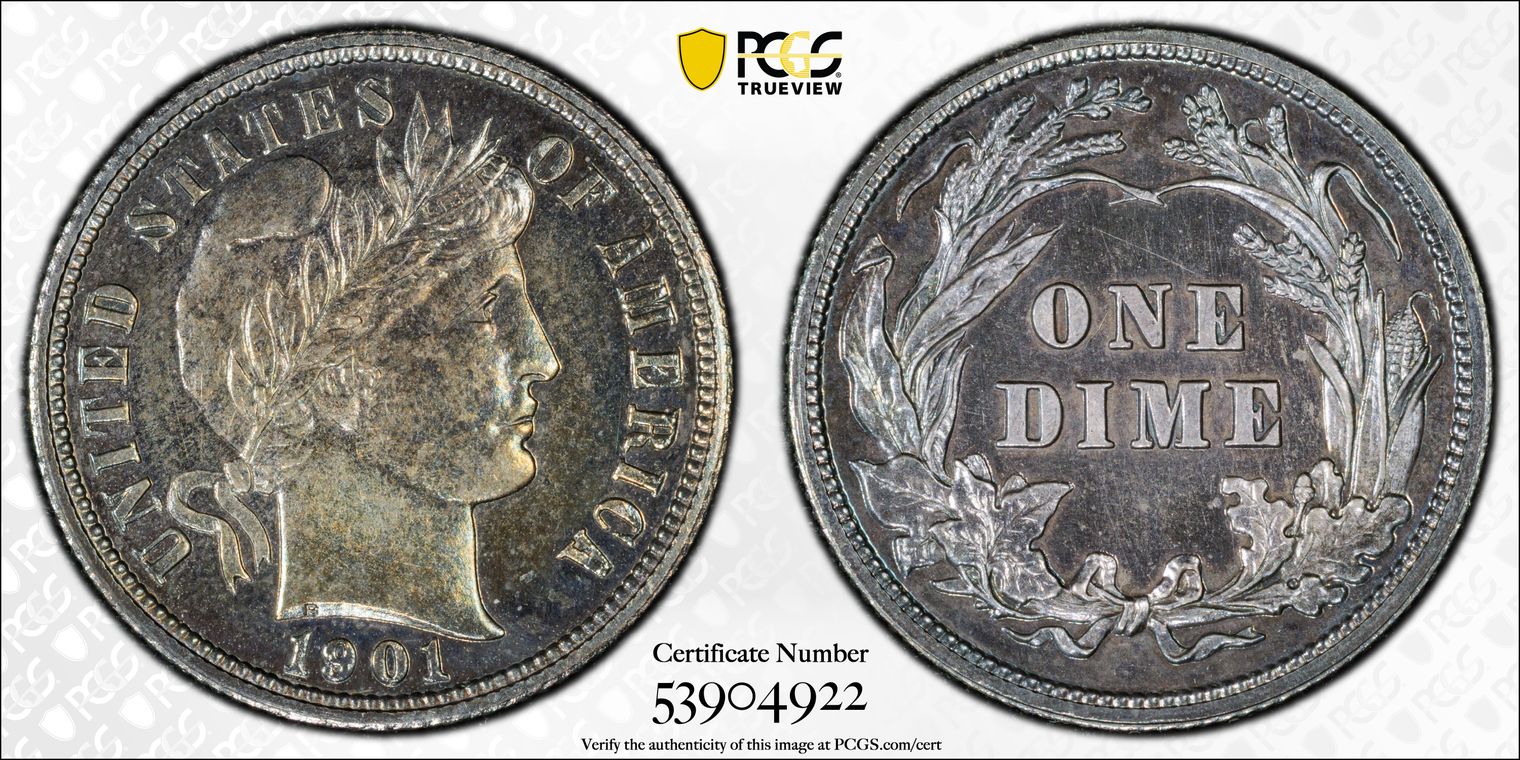
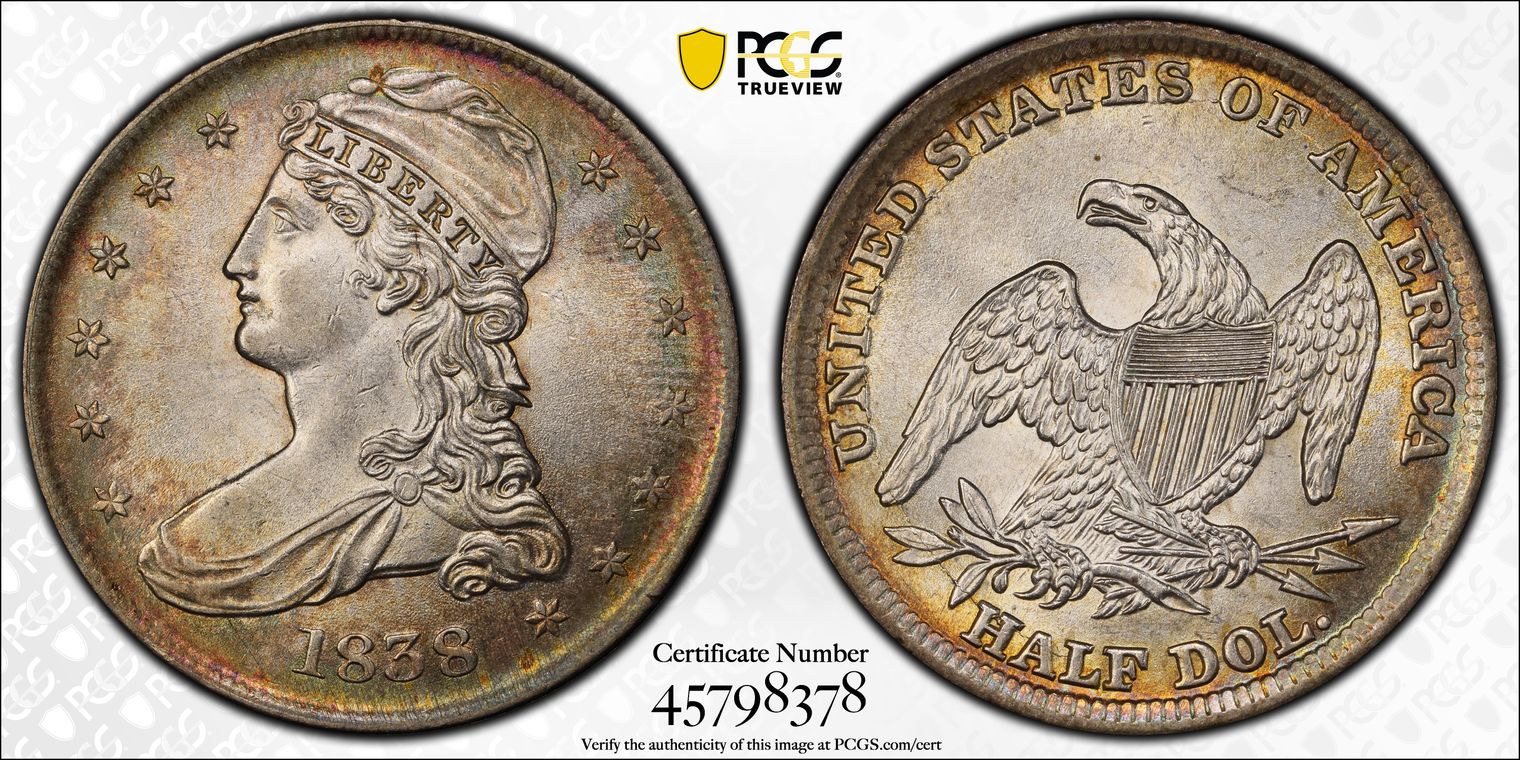
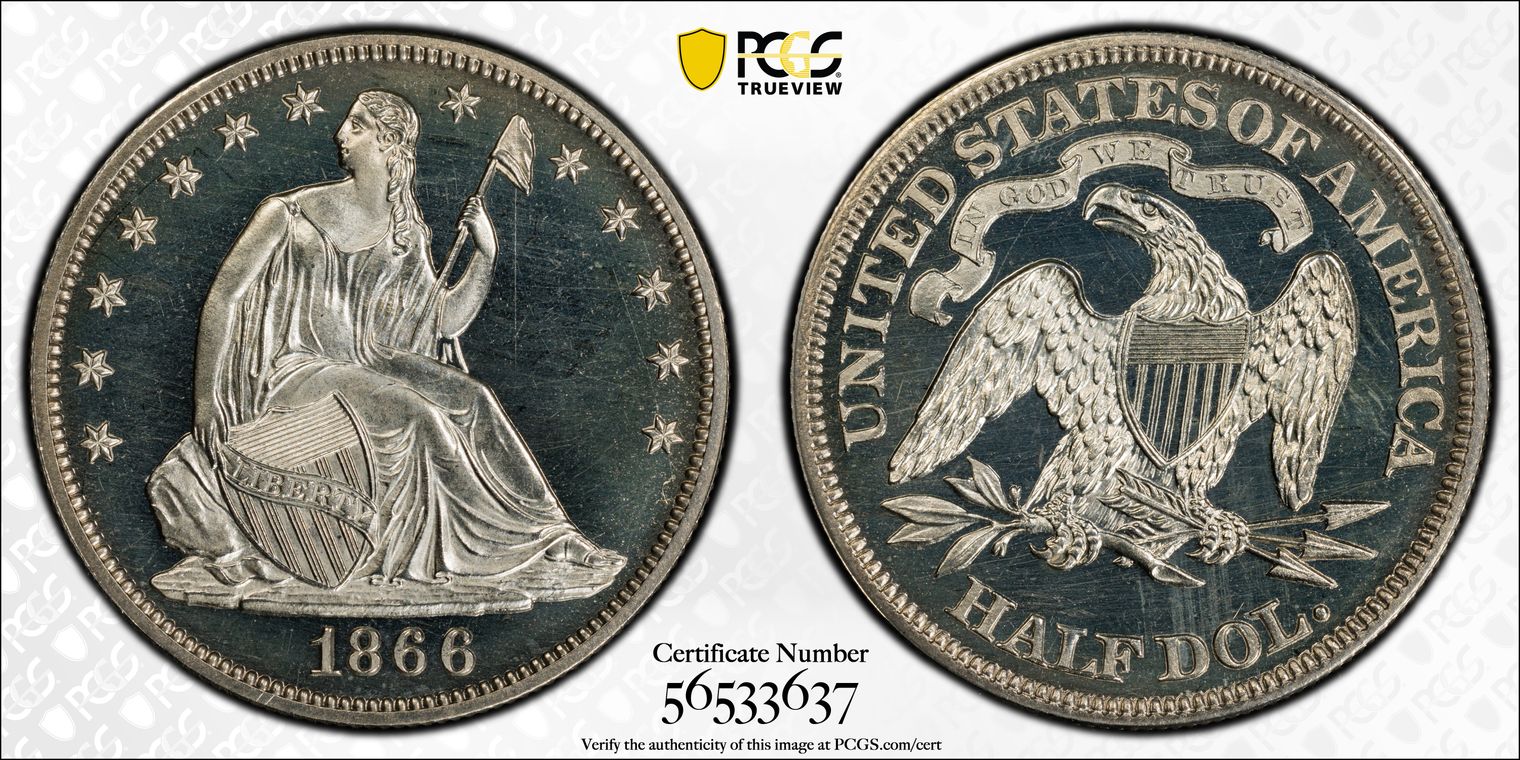
This coin is an 1866 Seated Liberty Half Dollar with the Motto, struck in silver and graded PCGS Proof-66 (PR66). The obverse features Liberty seated on a rock holding a shield and pole, surrounded by stars and the date, while the reverse displays the heraldic eagle with the newly added inscription “IN GOD WE TRUST” above—introduced that year following the Civil War. Proof examples from 1866 are scarce and were struck in very limited numbers for collectors, making this a highly desirable and historically significant U.S. coin, especially in such high proof condition.

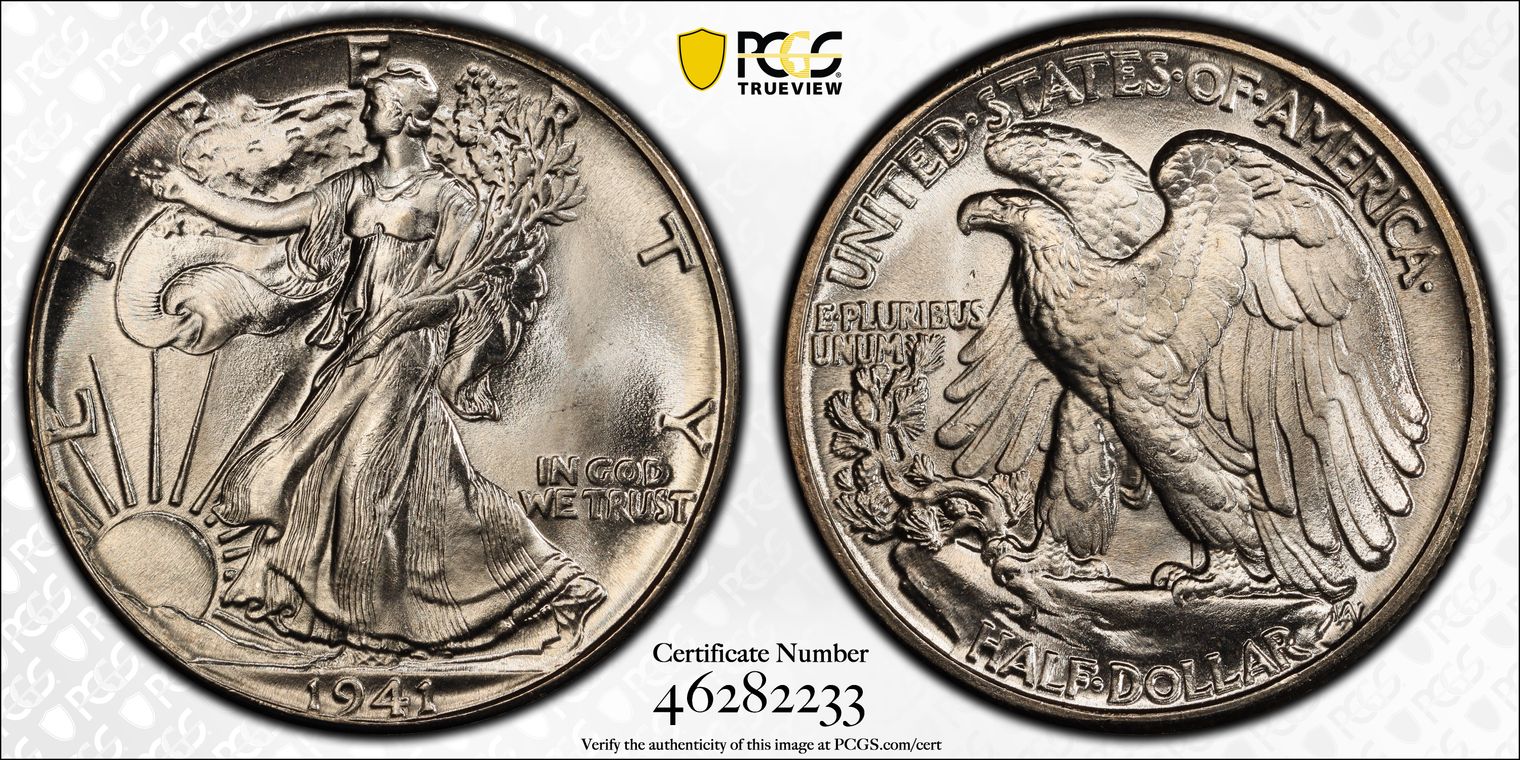
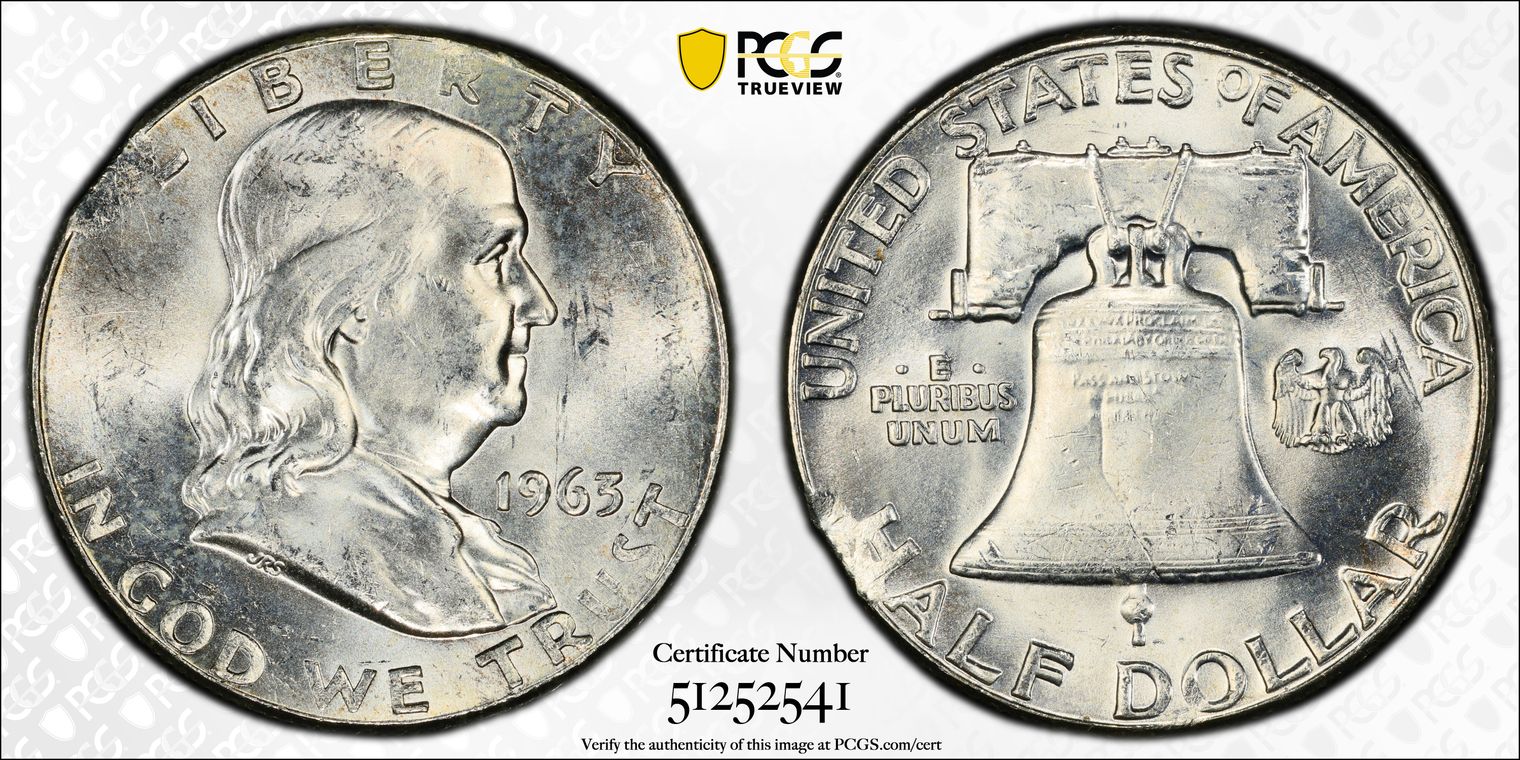
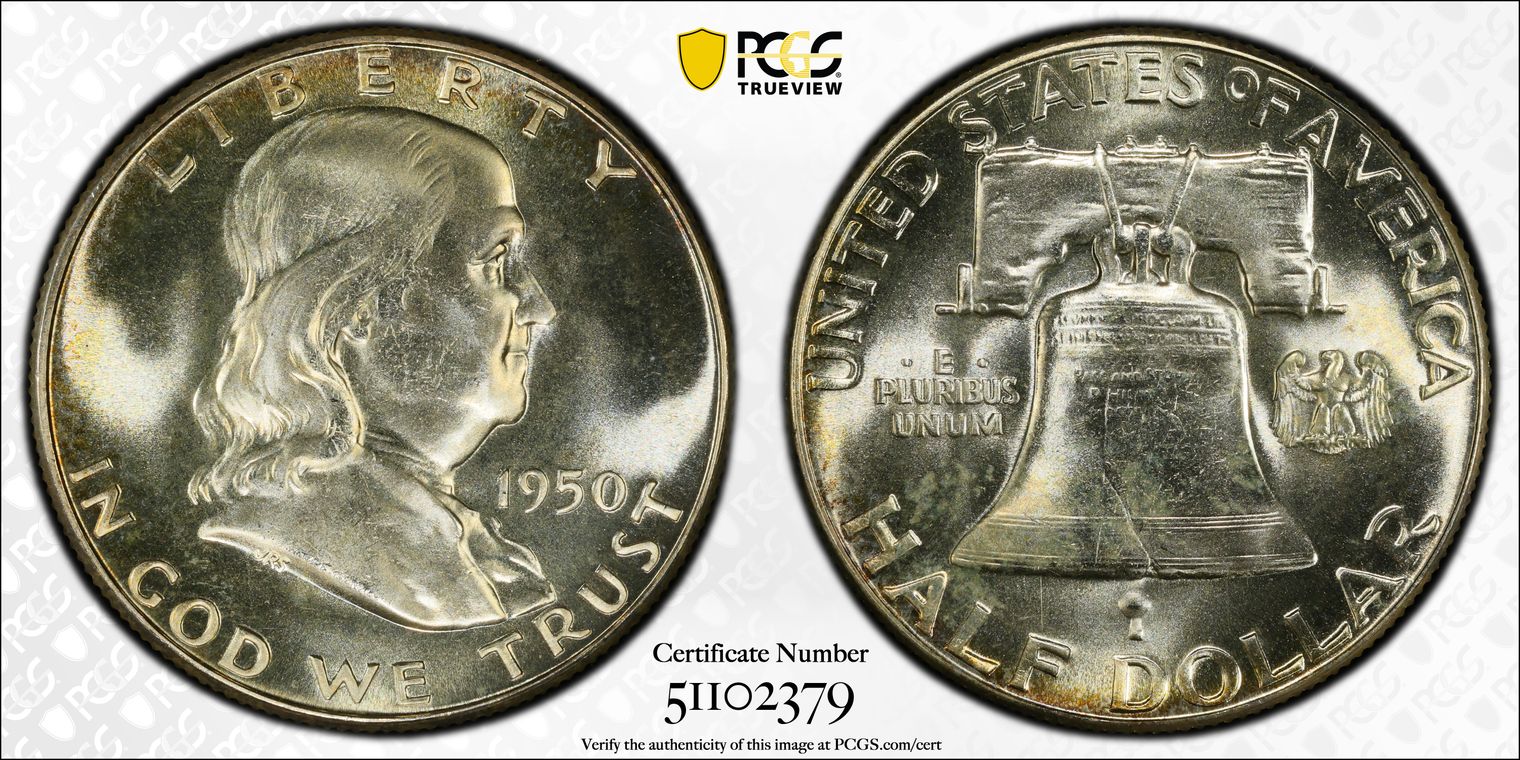
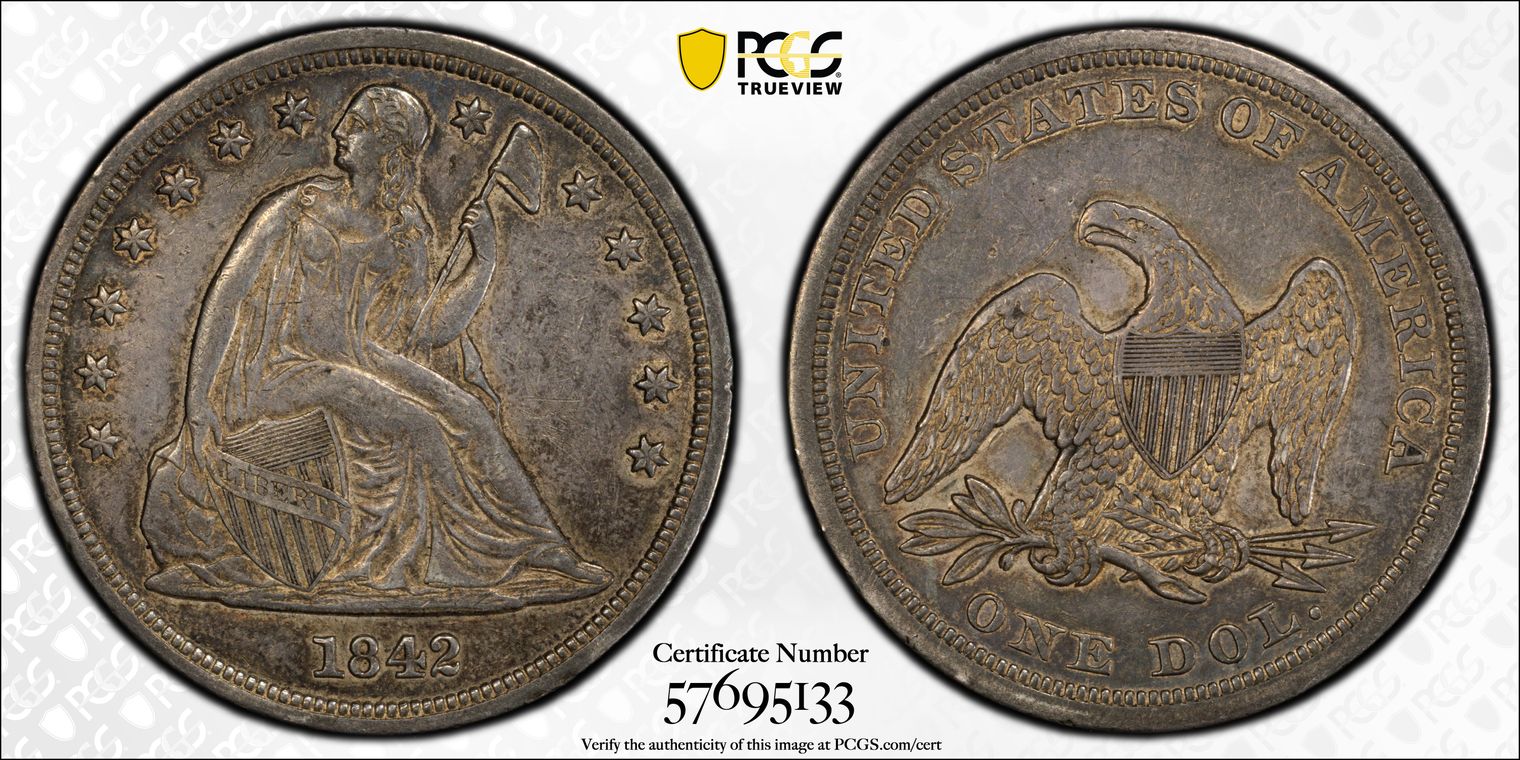
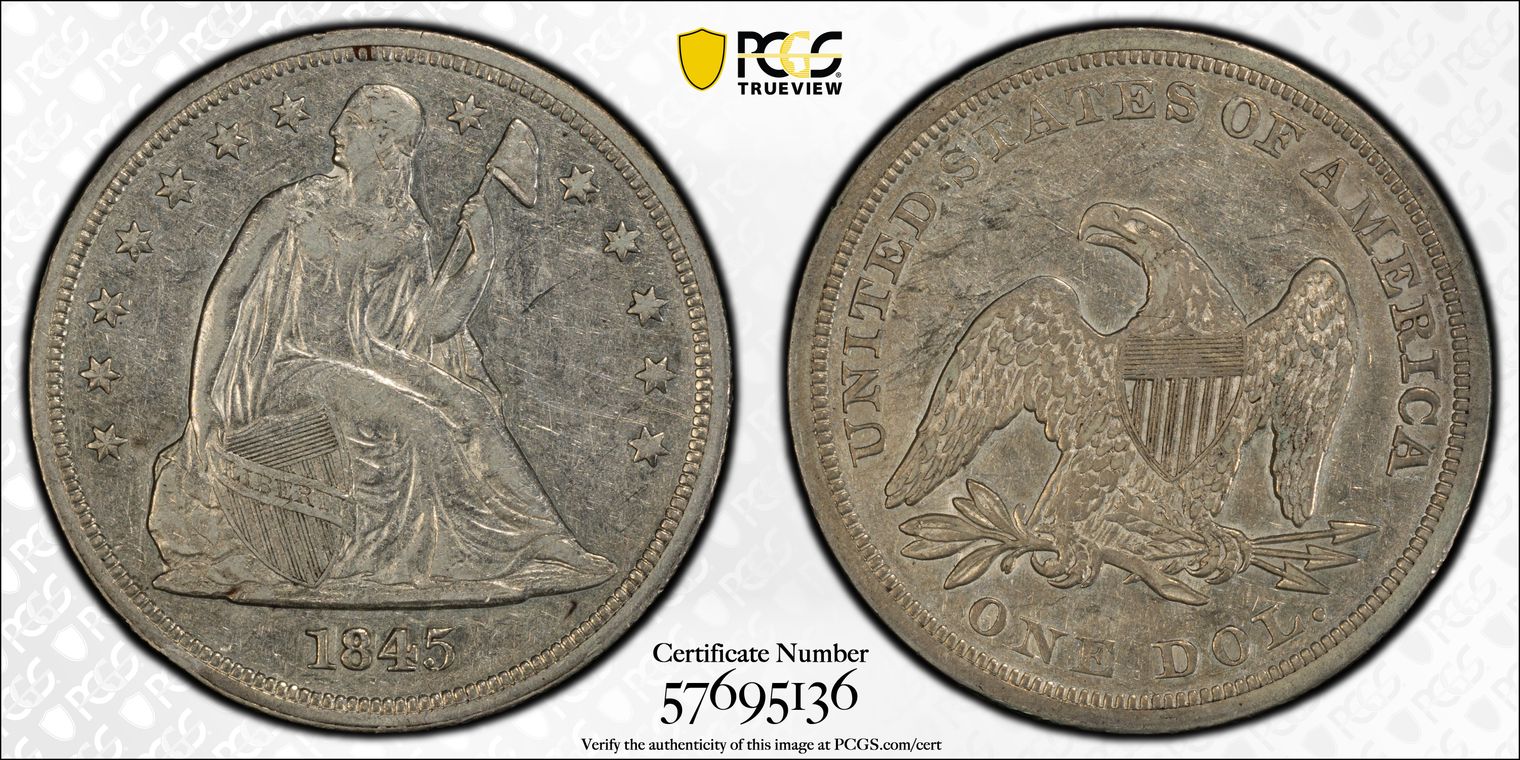
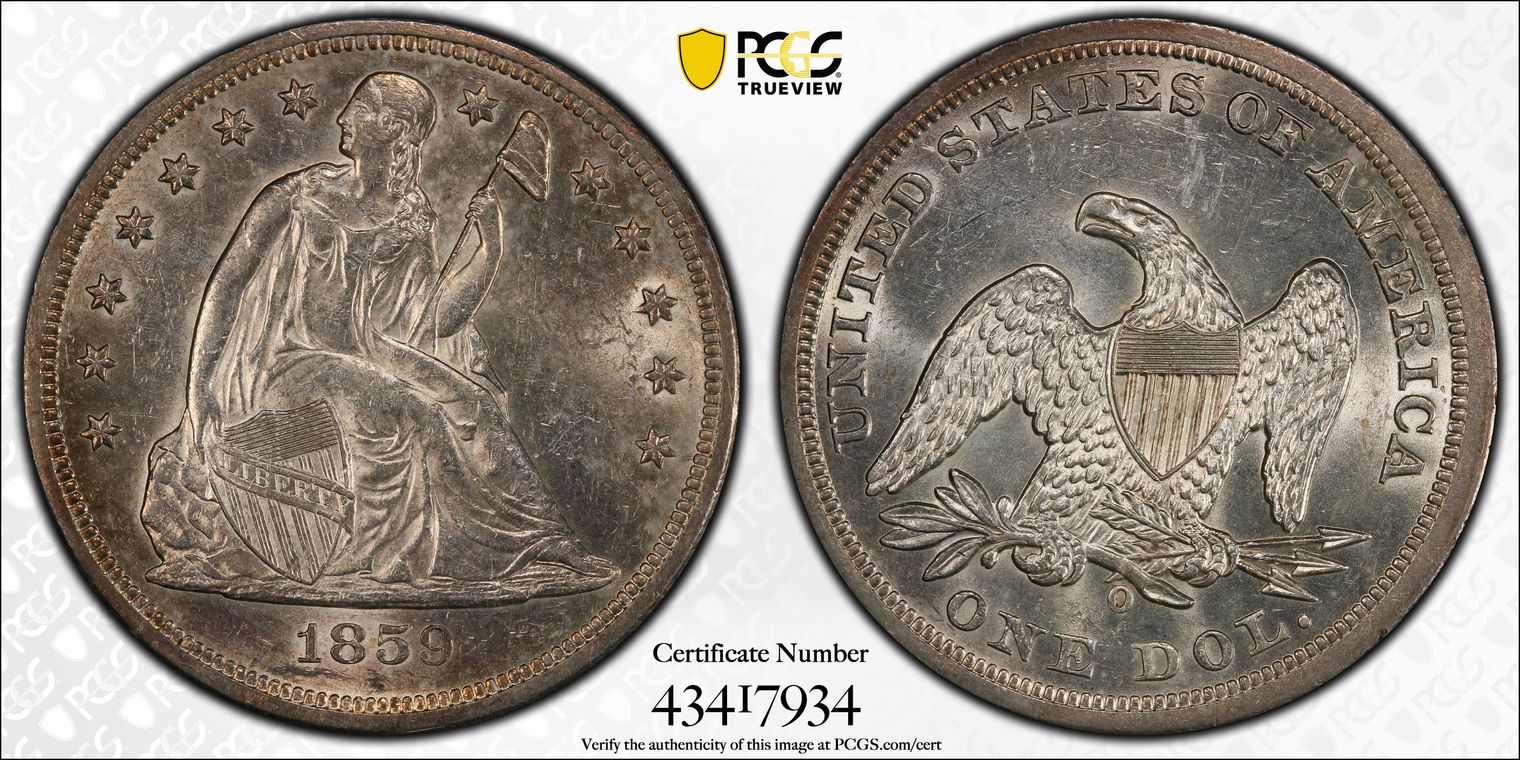
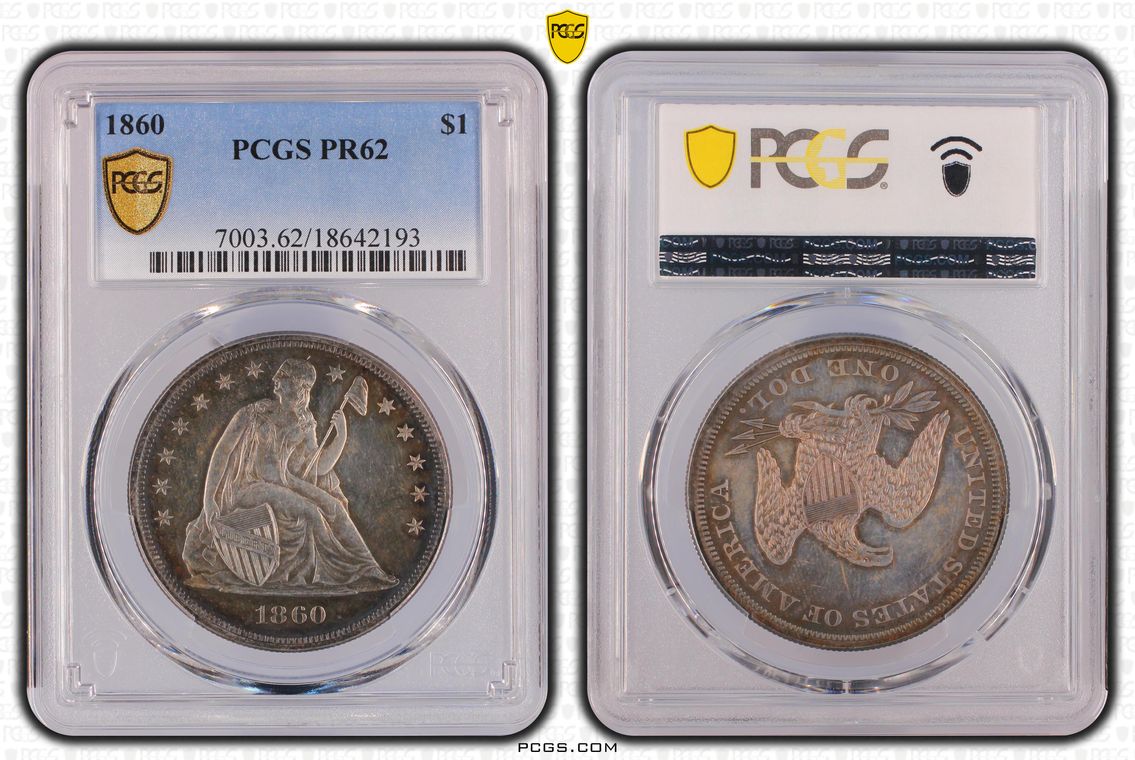
1860 $1 PR62 PCGS. OC-P1, R.2. Osburn-Cushing Die State a/a. A pleasing lower-end proof example of this No Motto issue, showing reflective fields and well-struck devices. Slight softness is noted only on Liberty's temple and star 8. Light golden interiors cede to lavender and blue-green border toning. A few minor contact marks are not bothersome

1860 $1 PR62 PCGS. OC-P1, R.2. Osburn-Cushing Die State a/a. A pleasing lower-end proof example of this No Motto issue, showing reflective fields and well-struck devices. Slight softness is noted only on Liberty's temple and star 8. Light golden interiors cede to lavender and blue-green border toning. A few minor contact marks are not bothersome

1860 $1 PR62 PCGS. OC-P1, R.2. Osburn-Cushing Die State a/a. A pleasing lower-end proof example of this No Motto issue, showing reflective fields and well-struck devices. Slight softness is noted only on Liberty's temple and star 8. Light golden interiors cede to lavender and blue-green border toning. A few minor contact marks are not bothersome

1860 $1 PR62 PCGS. OC-P1, R.2. Osburn-Cushing Die State a/a. A pleasing lower-end proof example of this No Motto issue, showing reflective fields and well-struck devices. Slight softness is noted only on Liberty's temple and star 8. Light golden interiors cede to lavender and blue-green border toning. A few minor contact marks are not bothersome
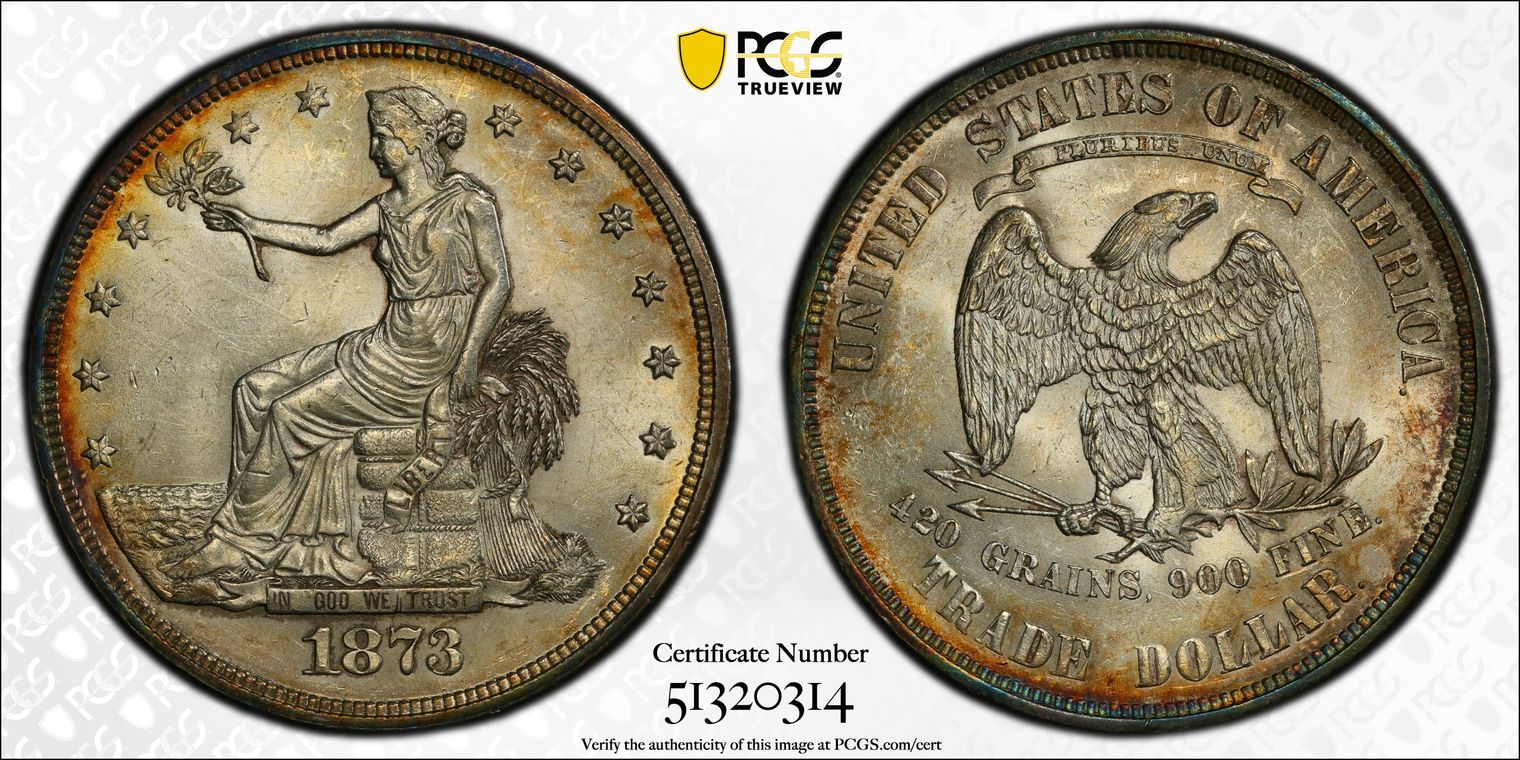
This is an 1873 U.S. Trade Dollar, graded PCGS MS63, a historic silver coin struck for international commerce, particularly trade with Asia. Designed by William Barber, it features Liberty seated holding an olive branch on the obverse, symbolizing peace and trade, and a bold eagle with outstretched wings on the reverse. Containing 420 grains of .900 fine silver, the Trade Dollar was heavier than standard U.S. silver coins of the era, giving it credibility in foreign markets. An MS63 example like this shows strong mint luster and well-defined details, making it a desirable mid–Mint State survivor from a short and fascinating series.
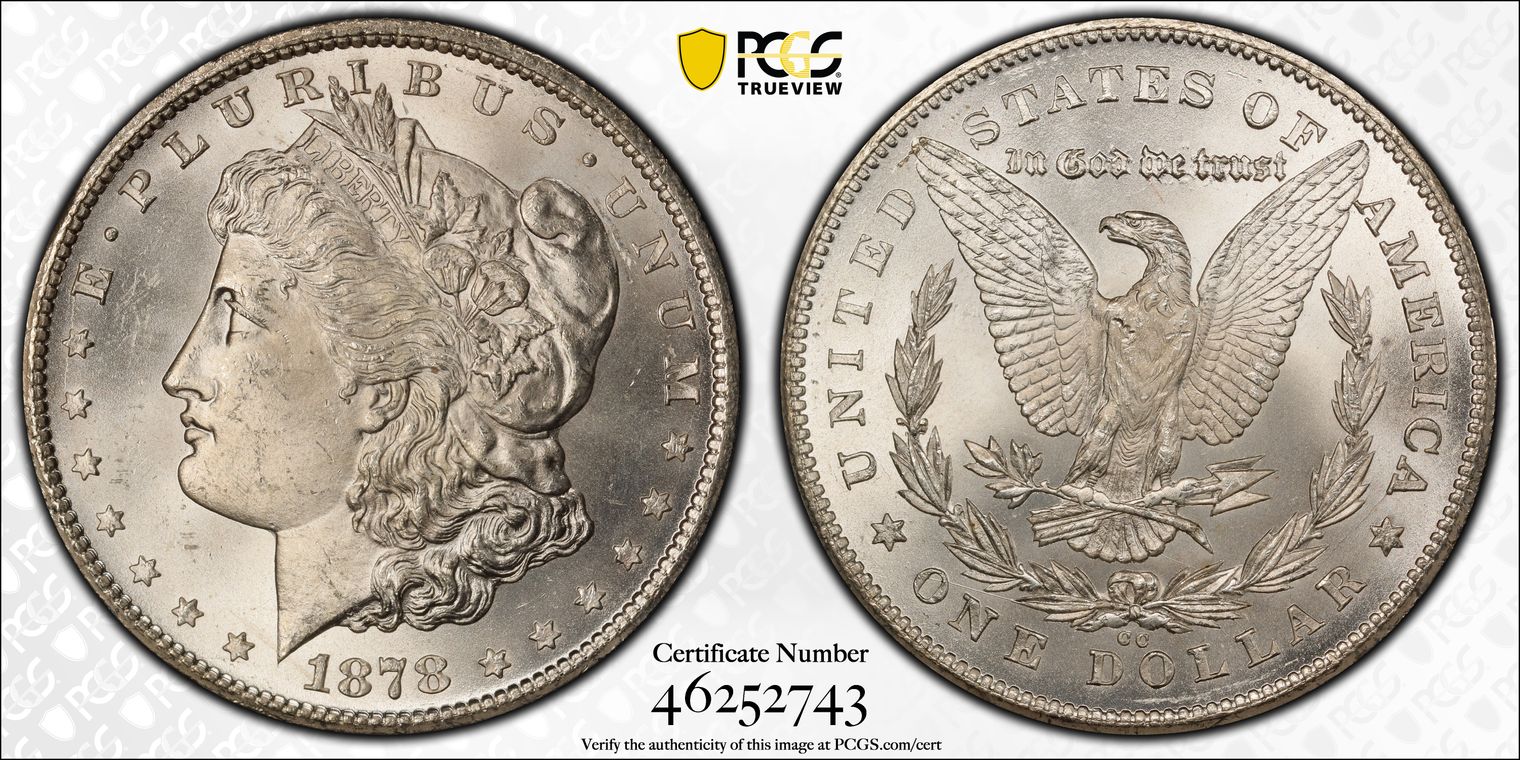
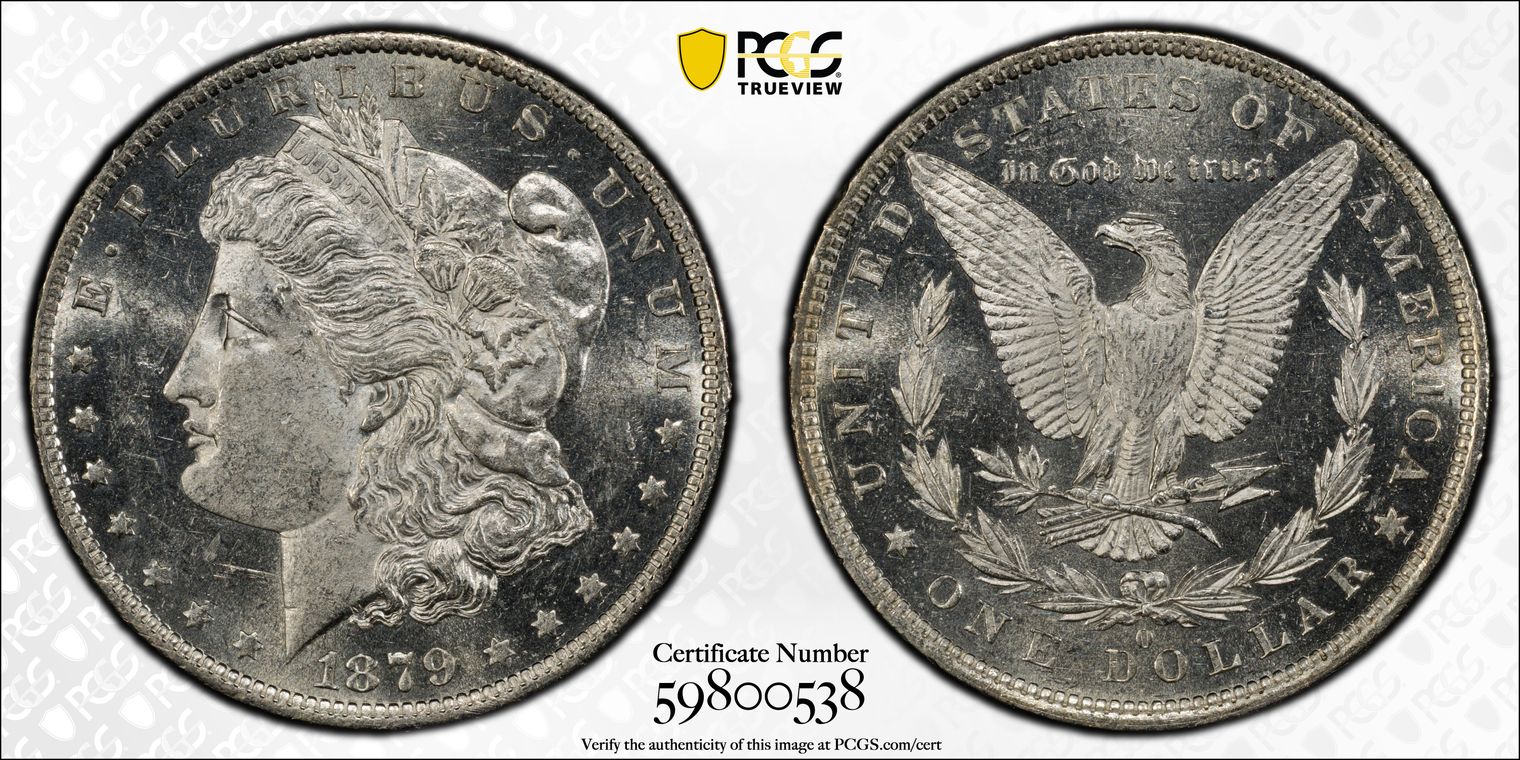
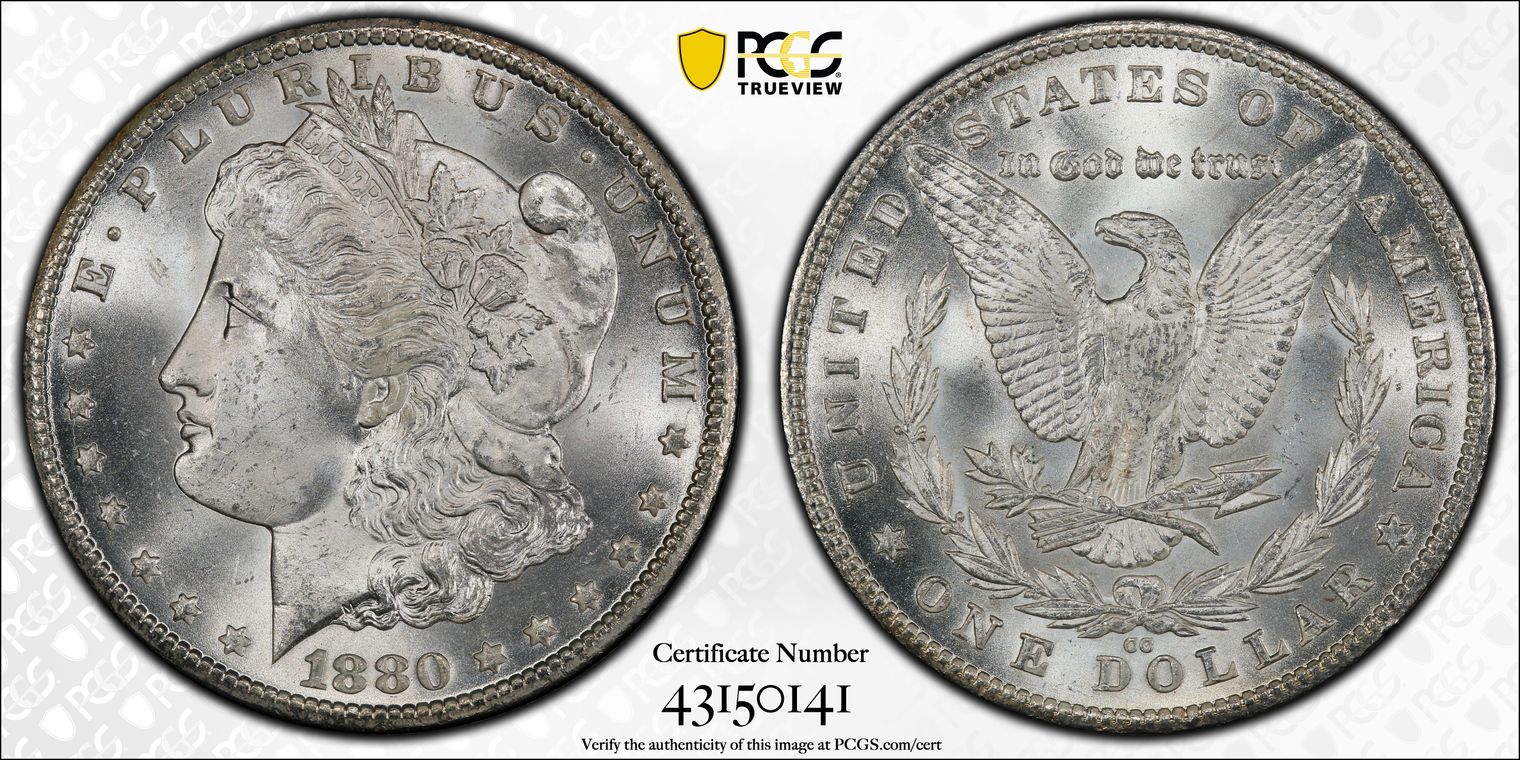
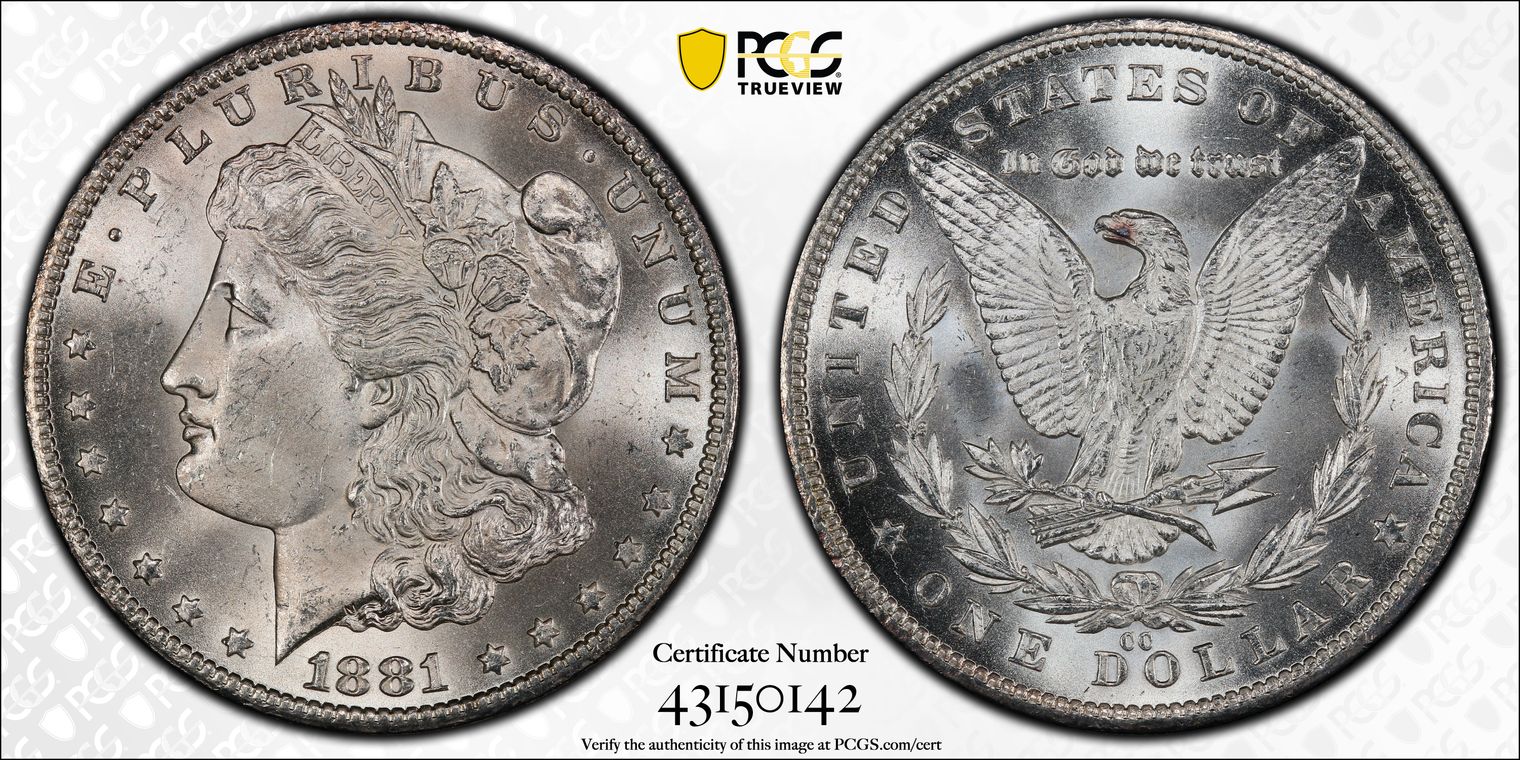
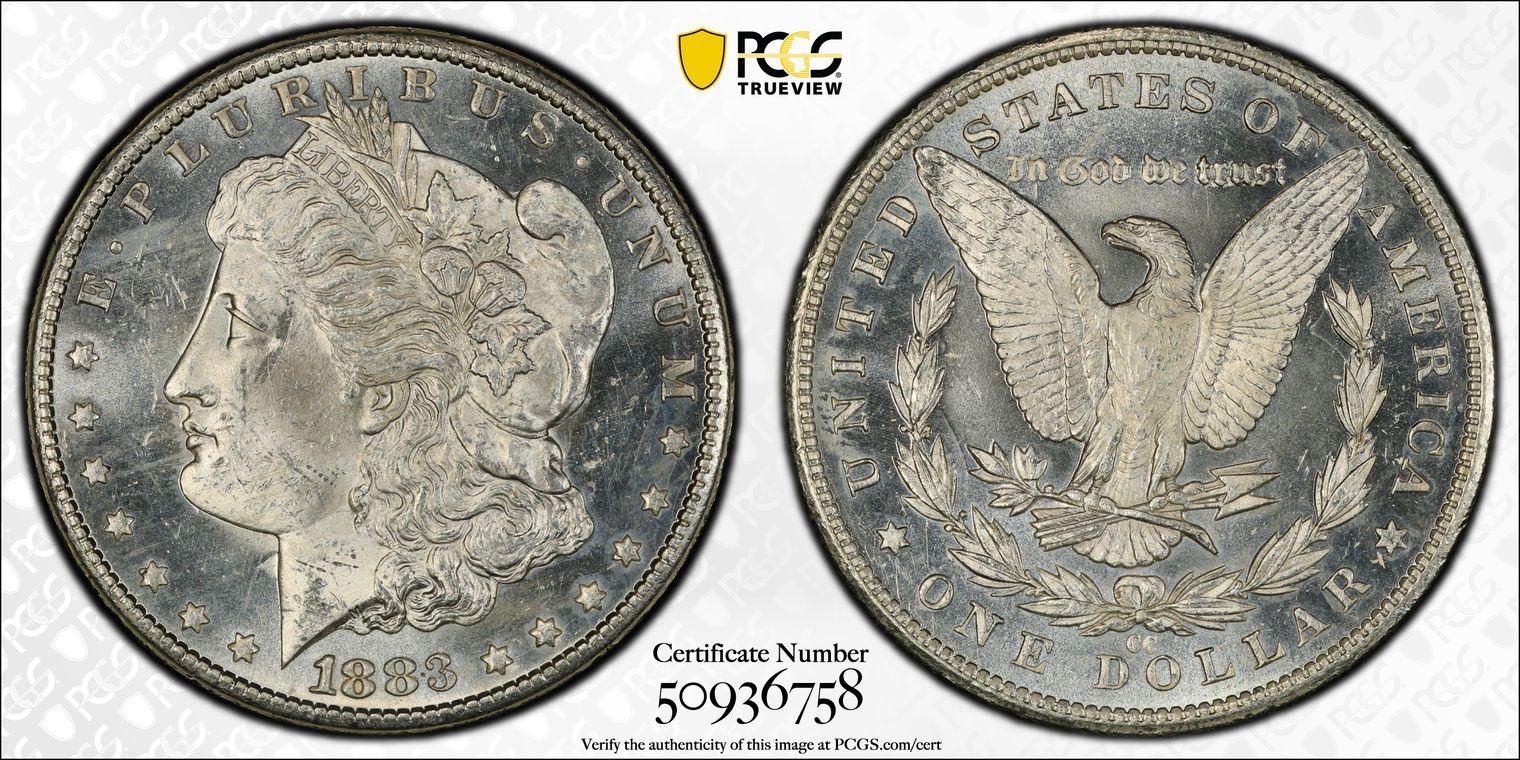
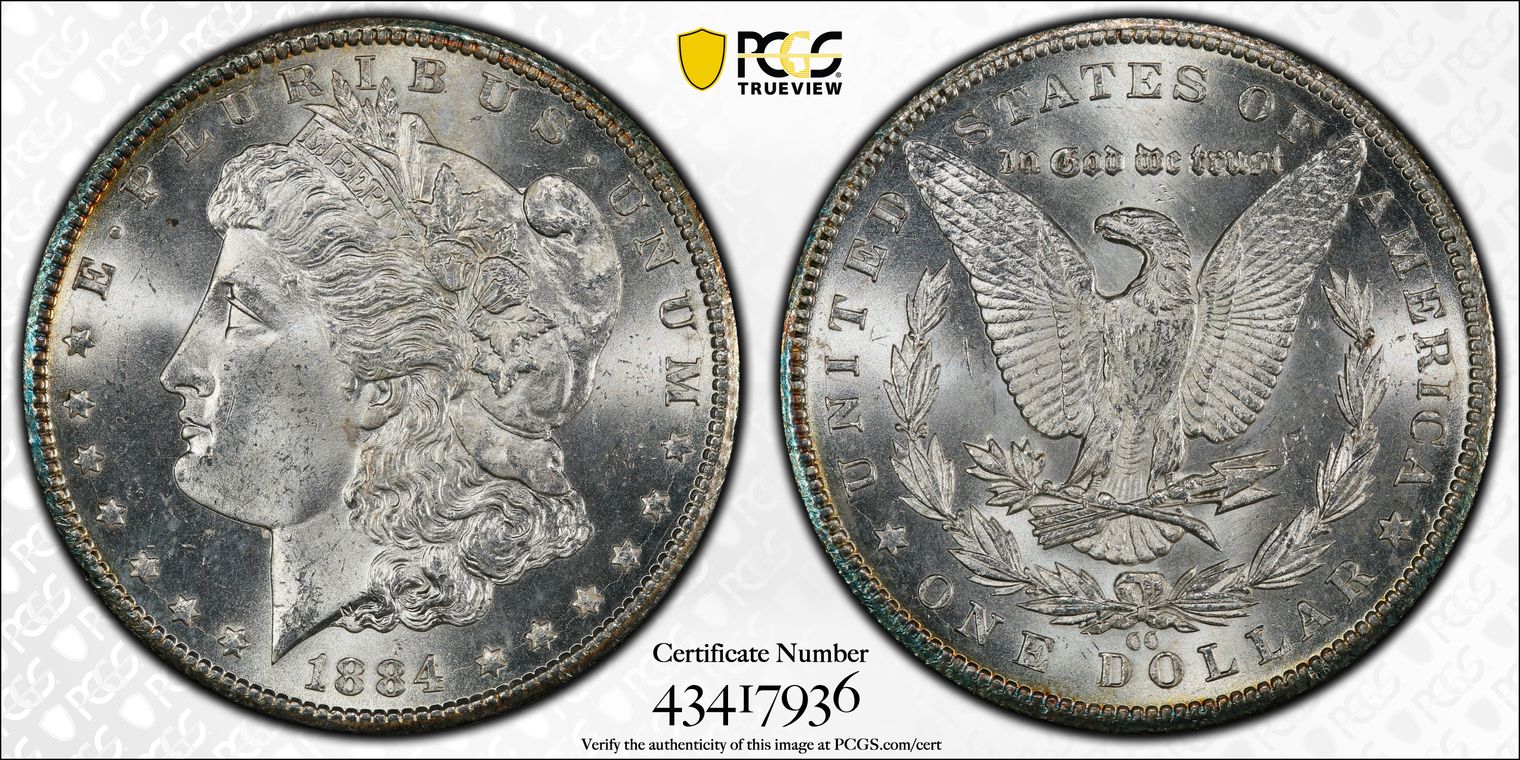
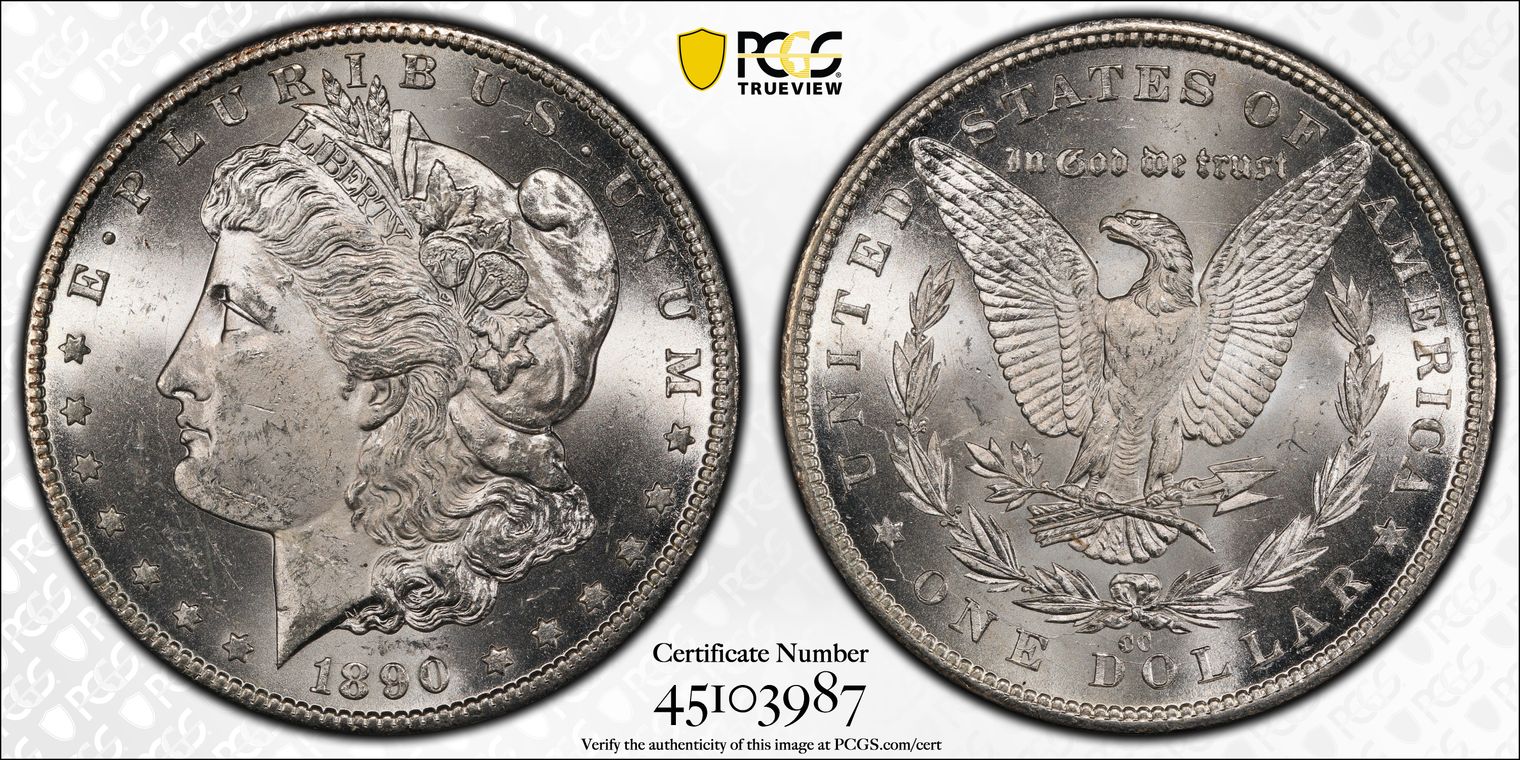
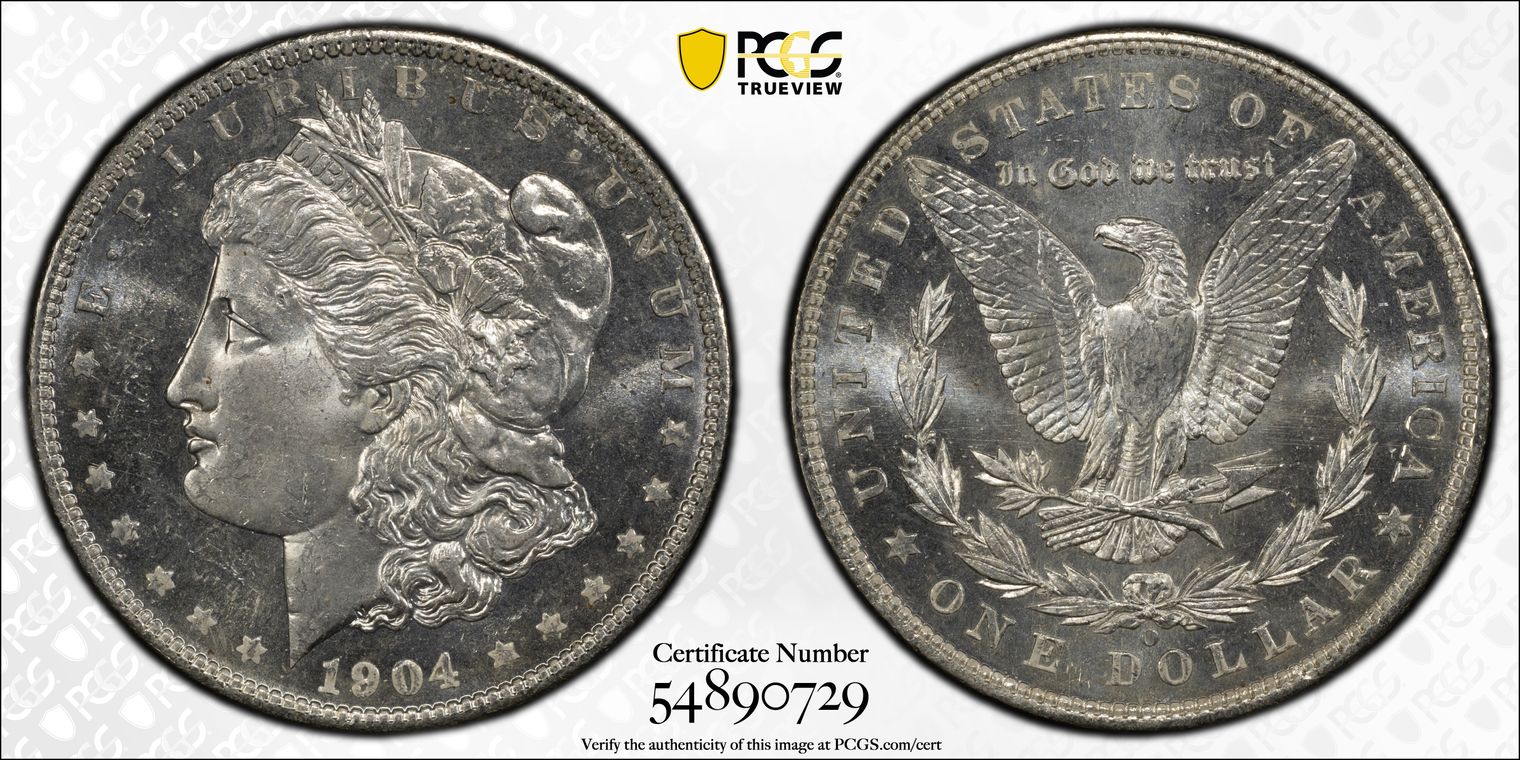
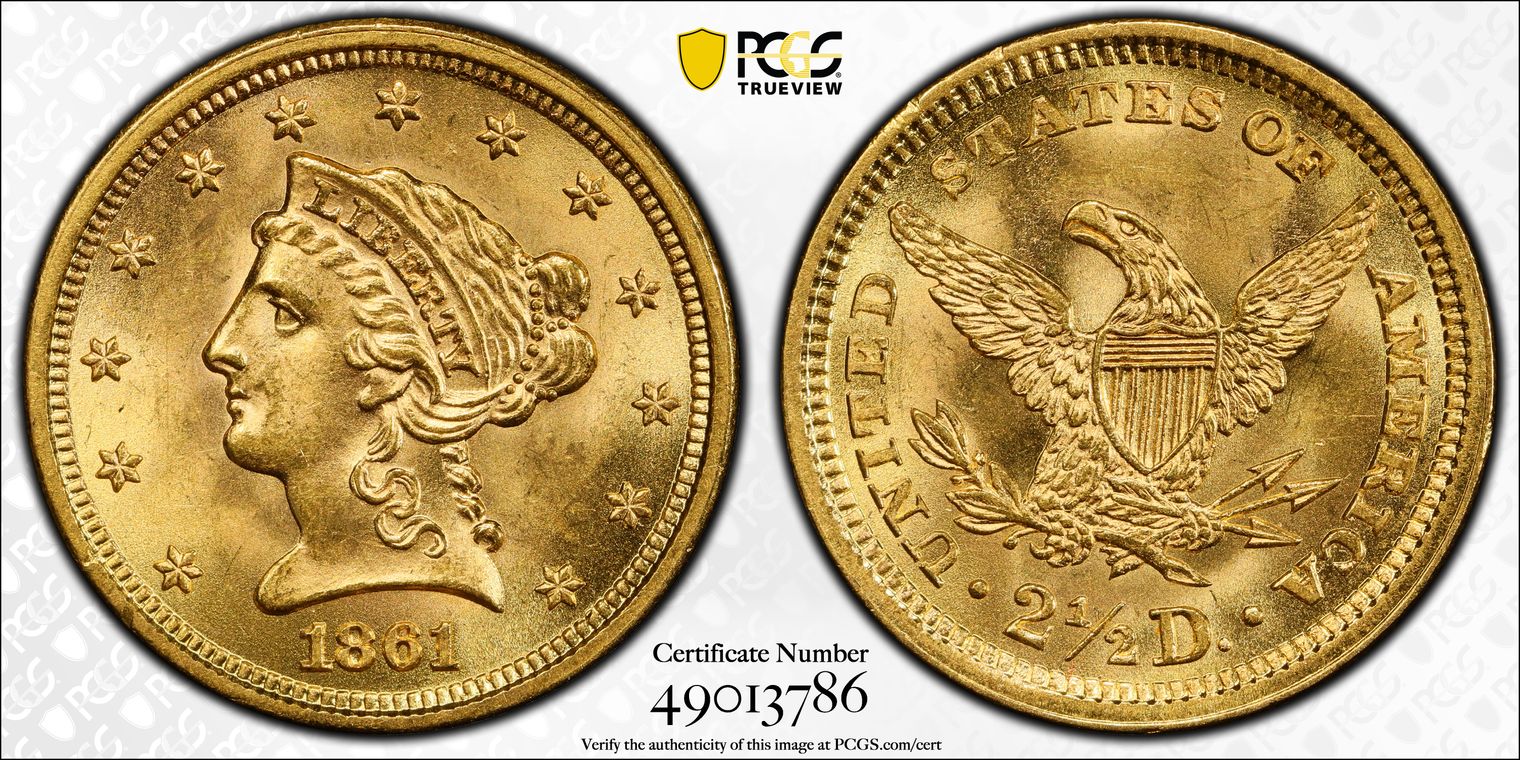

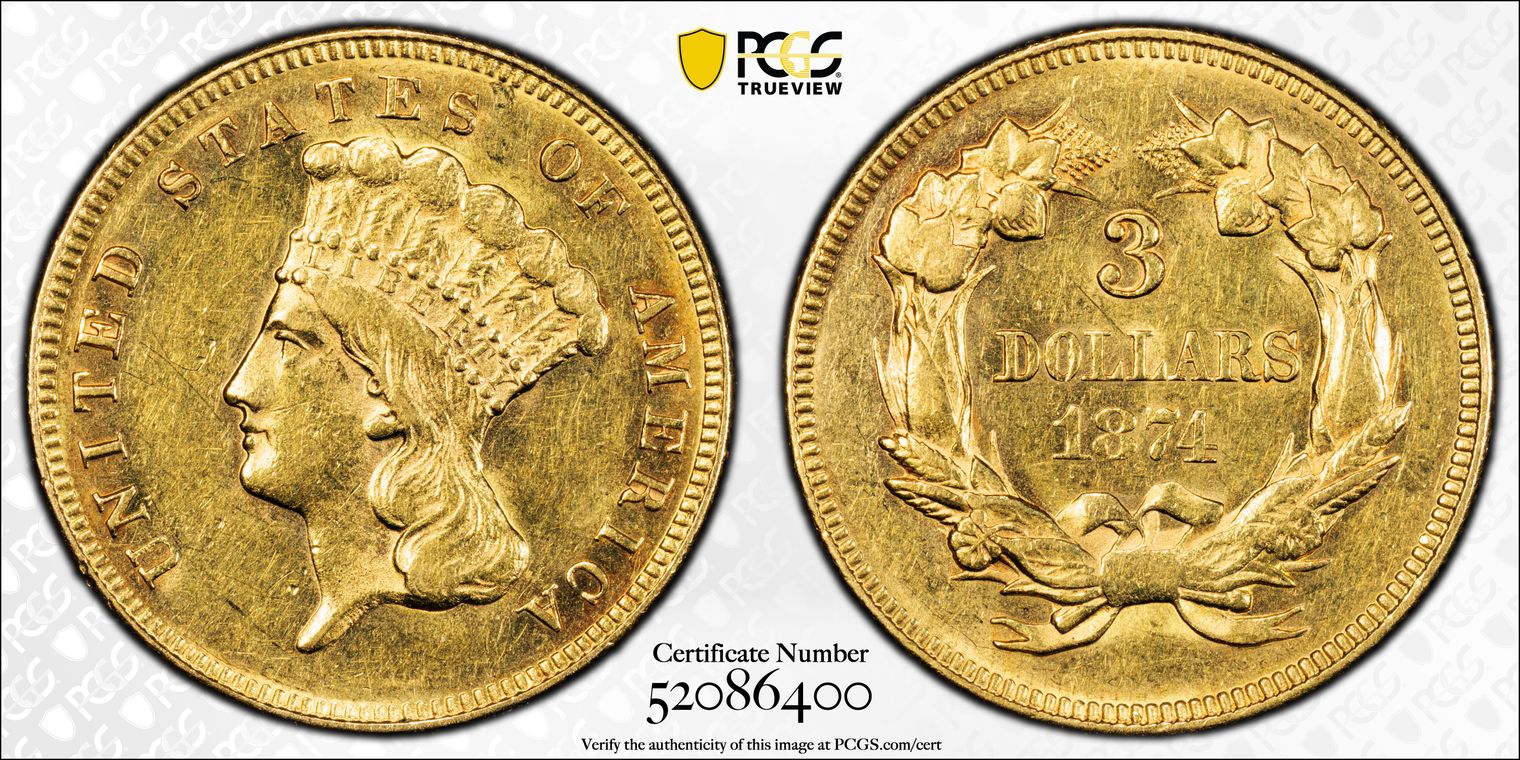
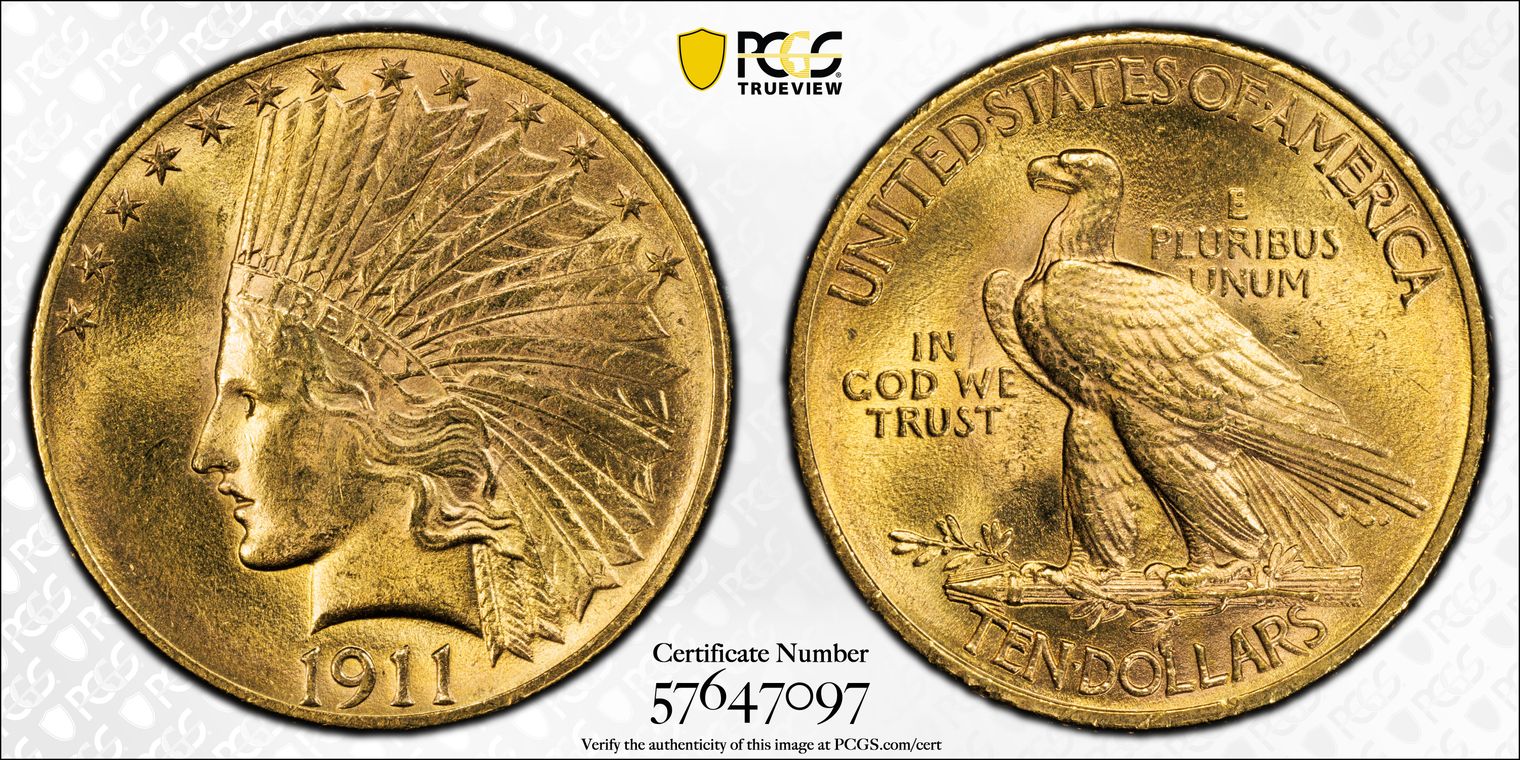
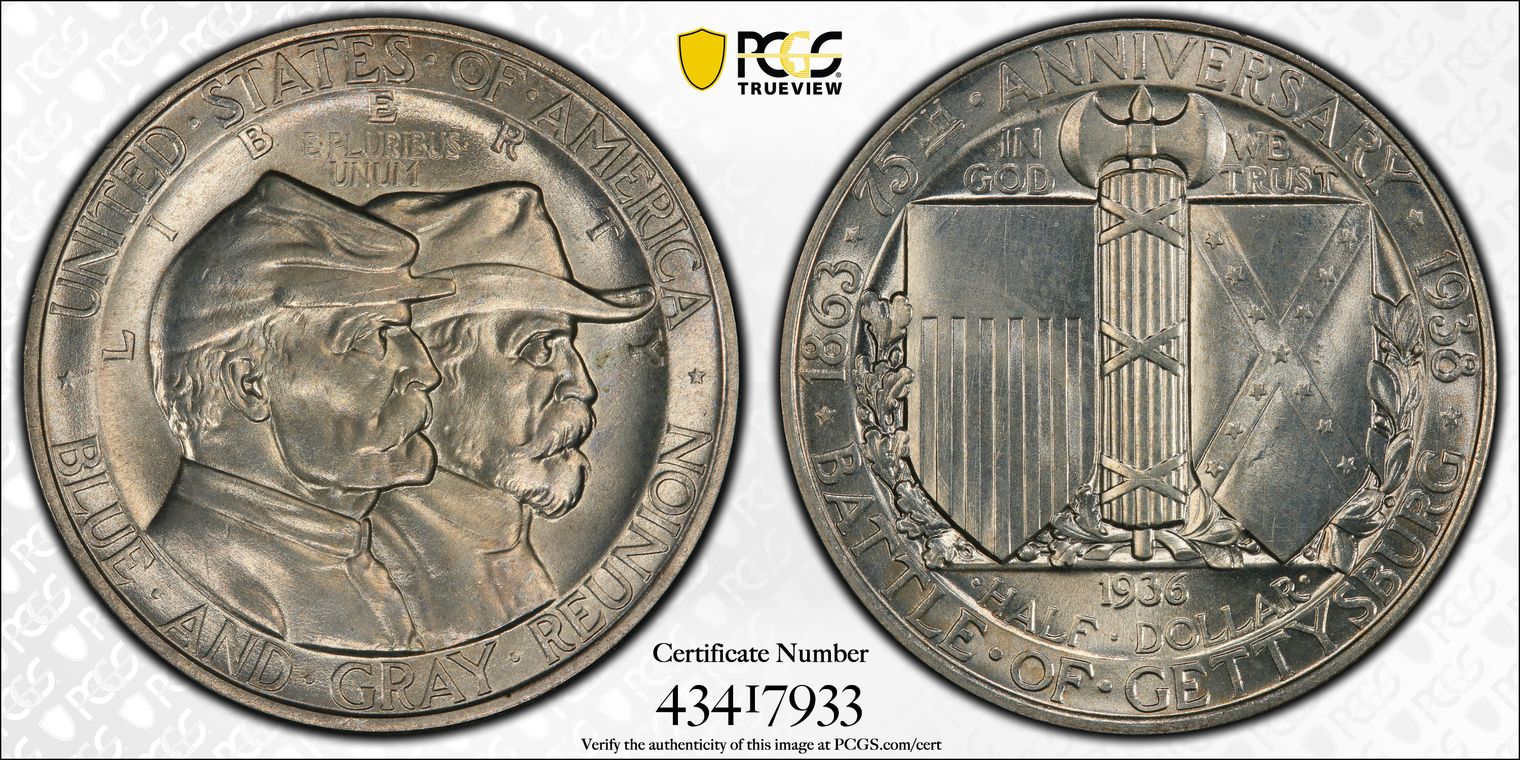
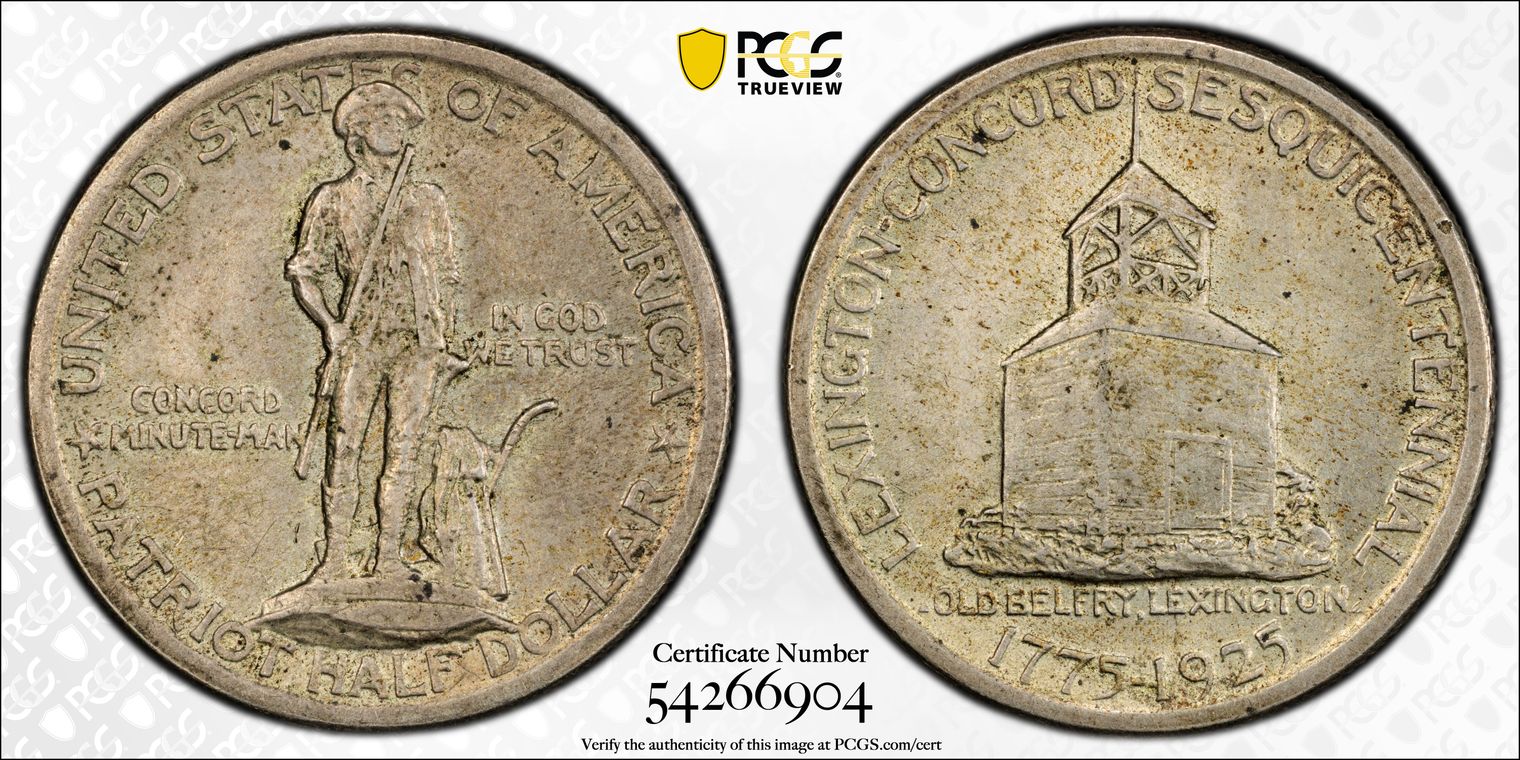
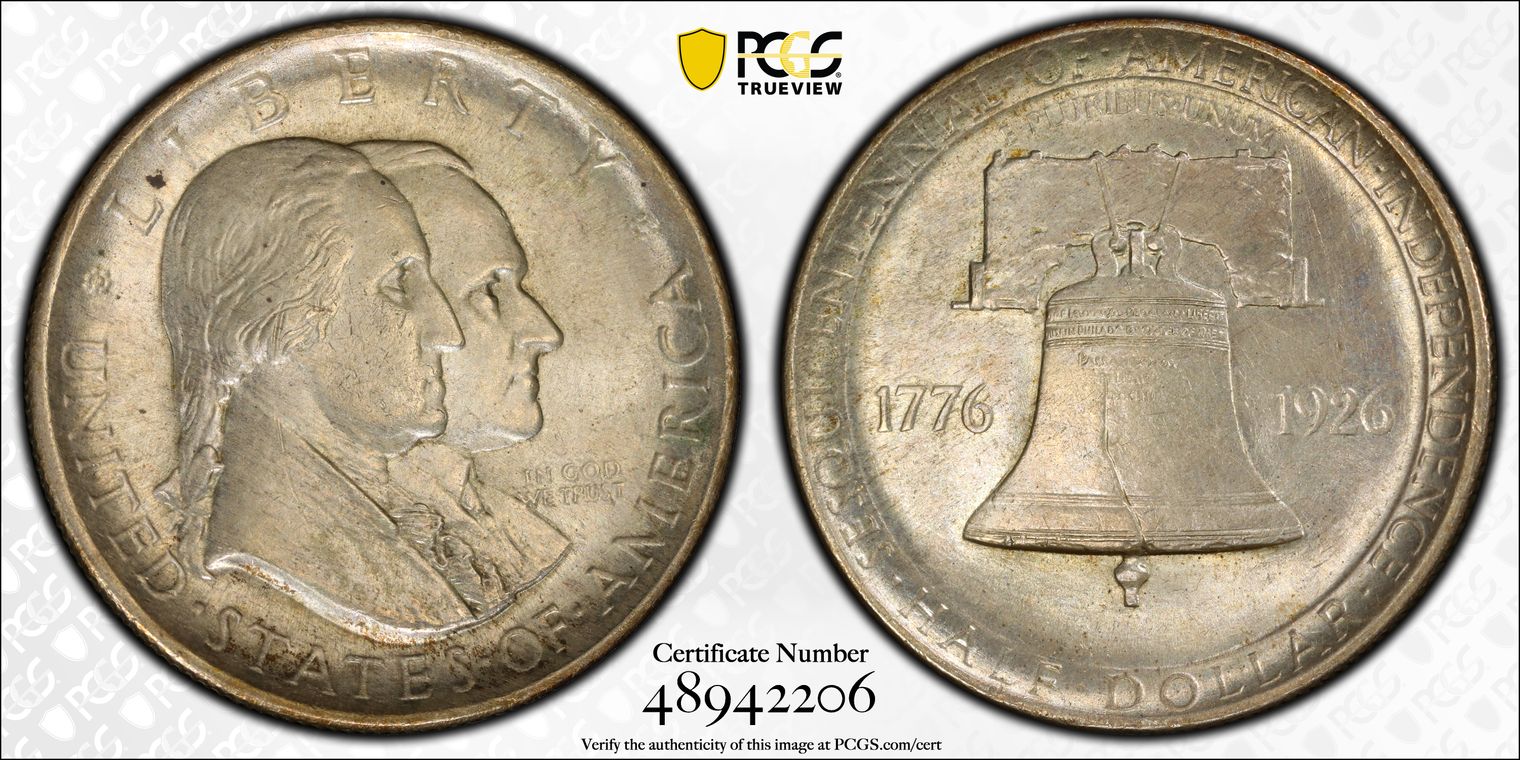
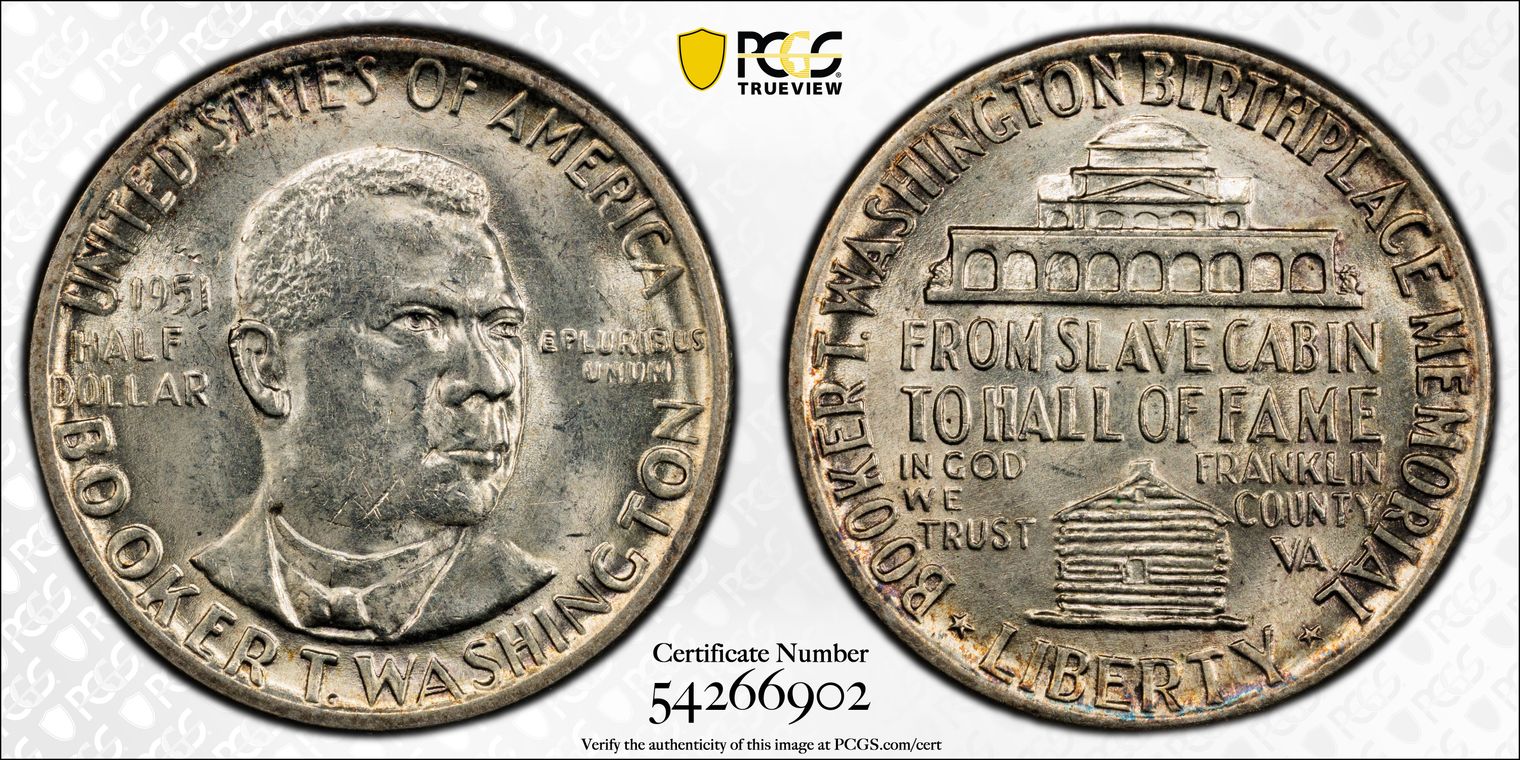
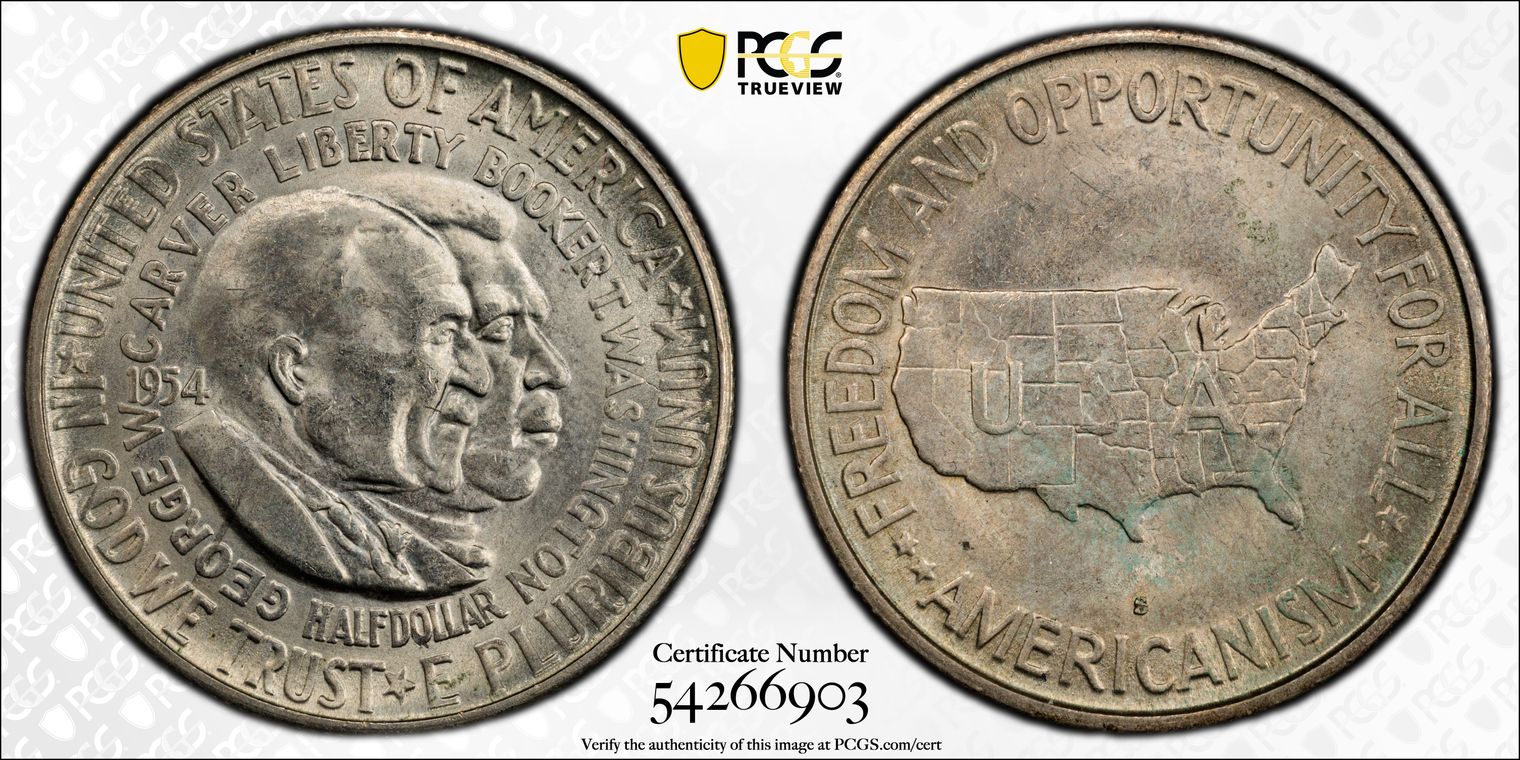

This is a 1911 Barber Quarter, graded PCGS PR65 Cameo, an exceptionally scarce and desirable proof issue from the Barber series. Designed by Charles E. Barber, the obverse features Liberty wearing a laurel wreath, while the reverse displays a heraldic eagle. Proof quarters of this era were struck in very limited numbers for collectors, and the Cameo designation indicates strong contrast between mirrored fields and frosted devices. In PR65 condition, this coin shows sharp detail, deep reflectivity, and excellent eye appeal, making it a premium early-20th-century U.S. proof silver coin.
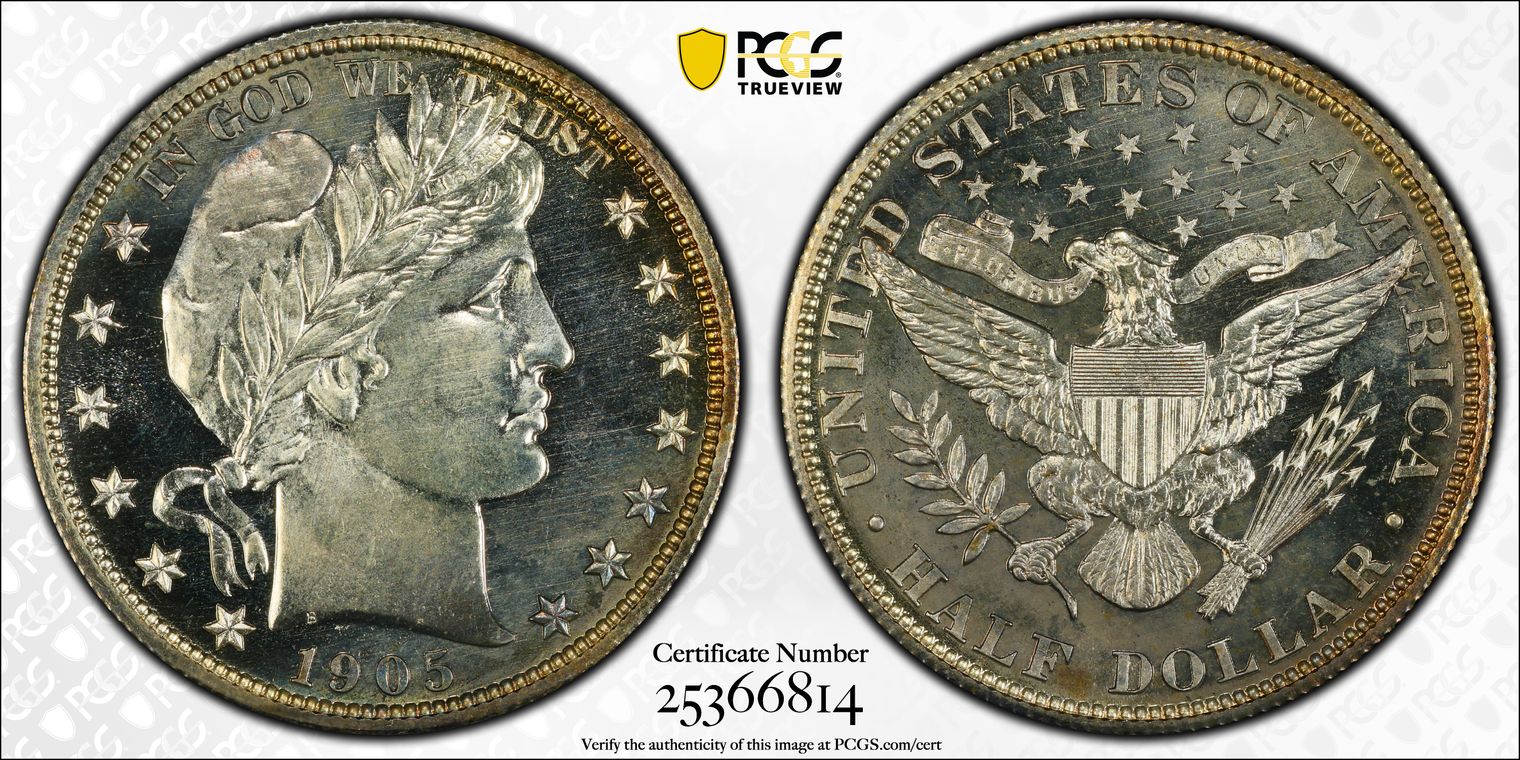
This coin is a 1905 Barber Half Dollar, struck in silver and certified PCGS Proof-66 Cameo (PR66CAM) from the prestigious D.L. Hansen Collection. The obverse features Liberty wearing a laurel wreath and cap, designed by Charles E. Barber, with crisp mirrored fields and frosted devices that give it strong cameo contrast. Proof Barber half dollars were produced in very limited numbers for collectors, and examples with true cameo surfaces are especially scarce, making this a high-end, visually striking, and highly collectible U.S. proof coin from the early 20th century.